
Thermoplastic prepreg carbon fiber composites are increasingly being adopted in the manufacturing of wind turbine blades, offering a modern alternative to conventional thermoset materials. Known for their exceptional strength, light weight, and resistance to fatigue, these composites perform reliably under demanding wind farm conditions. Their superior mechanical properties and ease of processing enhance the overall efficiency and capability of wind energy systems.
One of the standout benefits of thermoplastic composites is their high strength-to-weight ratio. This enables the production of longer, lighter blades that capture wind more effectively, thereby increasing energy output without compromising structural integrity. Additionally, their excellent fatigue resistance translates to longer service life and reduced maintenance requirements, offering cost savings for wind farm operators.
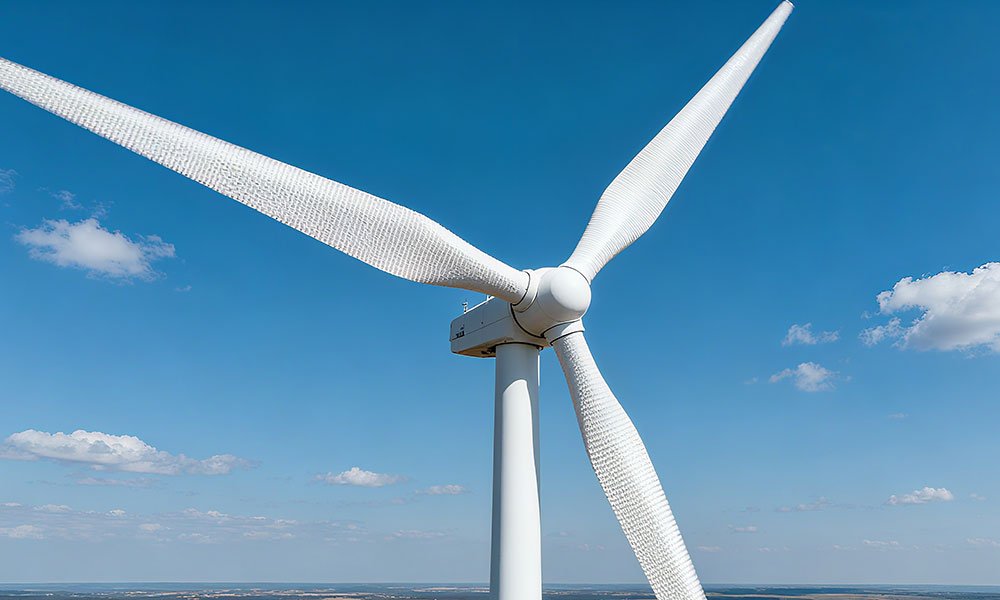
From a manufacturing perspective, thermoplastic prepregs contribute to shorter production cycles and lower energy consumption compared to traditional thermoset processes. This not only speeds up blade fabrication but also supports more sustainable manufacturing practices.
In summary, thermoplastic carbon fiber prepregs provide significant advantages for wind turbine blade applications—including improved performance, reduced lifecycle costs, faster production, and a smaller environmental footprint—making them a key enabler of sustainable wind energy development.




 English
  German
  French
  Portuguese
  Japanese
  Russian
  Italian
  Spanish
  Arabic