
Carbon Fibre Yacht Mast Bend Curve Tuning Guide: Mastering Performance and Stability
When it comes to sailing performance, the yacht mast plays a crucial role in determining how the vessel handles wind, waves, and load distribution. A properly tuned carbon fibre mast can significantly enhance both speed and stability, but achieving the ideal bend curve often raises questions. What factors influence the mast’s bend curve? How can sailors fine-tune their masts for optimal performance? And what are the common issues that arise during this process? This guide explores these questions, providing valuable insights for sailors looking to master their yacht’s performance and stability.
Understanding the Importance of the Mast Bend Curve
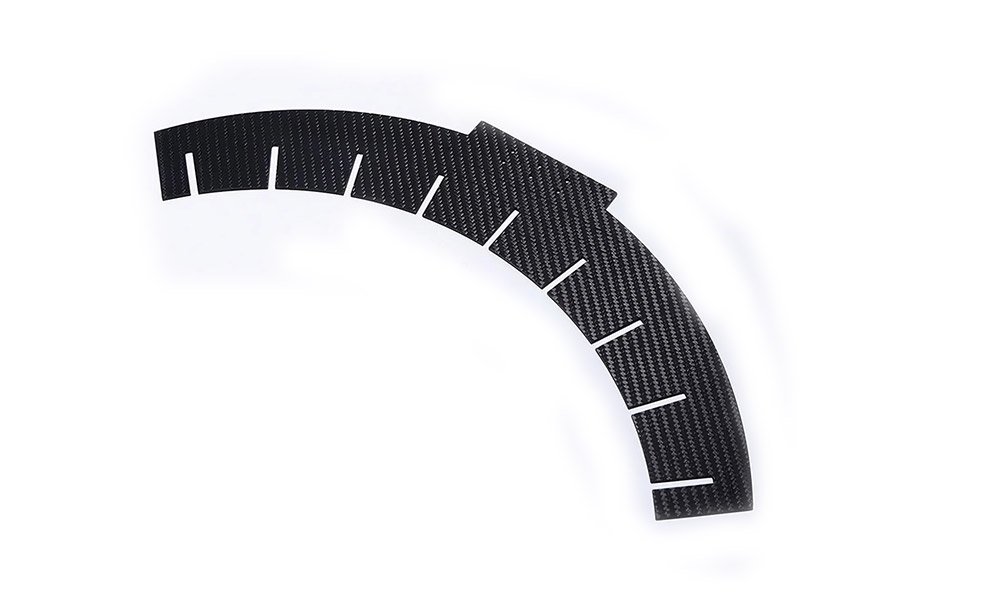
The bend curve of a carbon fibre yacht mast refers to how the mast flexes under load, typically measured at specific points along its length. This curve affects sail tension, rig balance, and overall boat handling. A poorly tuned mast may lead to excessive leech tension, reduced power in light winds, or even structural stress in heavy conditions.
Possible Question: How does the bend curve impact sailing performance?
The answer lies in the interaction between the mast, sails, and hydrofoils. A correctly tuned mast ensures that the sails operate efficiently, transferring wind energy optimally while maintaining rigidity when needed. For instance, a stiffer top section enhances downwind stability, while a more flexible base improves upwind lift.
Key Factors Influencing the Mast Bend Curve
Several variables determine the ideal bend curve for a carbon fibre mast:
- Mast Material and Construction – Carbon fibre masts offer precise engineering, allowing for tailored flex patterns.
- Sail Trim and Wind Conditions – Different sails and wind speeds require adjustments to maximize efficiency.
- Boat Rigging – The mast’s position and tension in the hull affect its bend curve.
- Hydrofoil Configuration – Modern sailing yachts often use foils, which interact with the mast’s bend curve to optimize lift and drag.
Possible Question: What tools are used to measure and adjust the bend curve?
Sailors typically use tools like:
– Mast Trimmers – To adjust pre-bend and set tension.
– Load Cells – To measure exact stress points.
– Simulation Software – For predictive tuning based on boat design.
Common Challenges in Mast Tuning
Tuning a carbon fibre mast isn’t always straightforward. Here are some common issues sailors face:
- Over-Tensioning – Leading to excessive mast flex, which reduces rig strength.
- Under-Tensioning – Causing the mast to bend too much, compromising sail efficiency.
- Inconsistent Wind Conditions – Making it hard to maintain a single ideal bend curve.
Possible Question: How can sailors adapt their tuning in changing conditions?
The key is flexibility. sailors should:
– Regularly check the bend curve before races or long voyages.
– Adjust pre-bend and sail trim based on wind speed and direction.
– Share tuning data with fellow sailors for comparative insights.
Sharing Best Practices for Optimal Performance
One of the most valuable aspects of mast tuning is learning from others. Here’s a pro tip from experienced sailors:
“Keep a log of your bend curves and corresponding performance metrics. This data helps you refine your tuning process over time, ensuring consistency across different conditions.”
By sharing experiences and tuning results, sailors can gain new perspectives and avoid common pitfalls. Whether you’re racing or cruising, mastering your mast’s bend curve is a game-changer for performance and stability.
Conclusion
A well-tuned carbon fibre yacht mast is essential for achieving peak performance and stability. By understanding the factors influencing the bend curve, using the right tools, and adapting to changing conditions, sailors can optimize their rigs for any scenario. As always, collaboration and knowledge sharing among the sailing community play a vital role in refining these techniques. Stay informed, stay precise, and sail smarter!




 English
  German
  French
  Portuguese
  Japanese
  Russian
  Italian
  Spanish
  Arabic