
Exploring the Potential of Lignin-Based Carbon Fiber Bio-Derived: A Sustainable Solution for Modern Industries
Introduction
The quest for sustainable materials has never been more critical as industries worldwide seek to reduce their environmental impact. Among the emerging solutions, lignin-based carbon fibers have gained significant attention. Derived from biomass, these fibers offer a promising alternative to traditional petroleum-based carbon fibers. But what exactly is lignin-based carbon fiber, and how can it revolutionize modern industries? This article explores these questions, highlighting the potential, challenges, and benefits of this bio-derived material.
What is Lignin-Based Carbon Fiber?
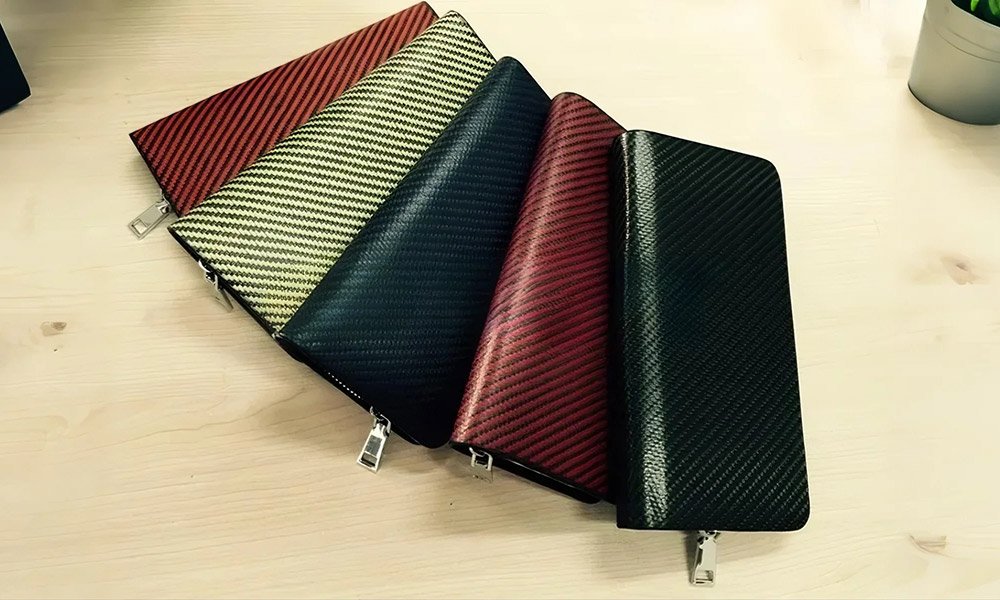
Lignin is a complex organic polymer found in the cell walls of plants, particularly in wood and bark. Traditionally, lignin has been considered a waste product in the paper industry. However, researchers have discovered that lignin can be transformed into a valuable resource—carbon fiber. Unlike conventional carbon fibers made from petroleum-based precursors, lignin-based carbon fibers are completely bio-derived, making them an eco-friendly option.
The process involves several steps: first, lignin is extracted from biomass; then, it is polymerized and converted into a carbon fiber precursor. Through controlled heating and carbonization, the precursor is transformed into a high-strength, lightweight carbon fiber. This innovation not only repurposes a waste product but also reduces reliance on fossil fuels.
Potential Applications in Modern Industries
The versatility of lignin-based carbon fibers makes them suitable for a wide range of applications. Let’s explore some of the most promising industries:
1. Automotive Industry
The automotive sector is increasingly adopting lightweight materials to improve fuel efficiency and reduce emissions. Lignin-based carbon fibers could revolutionize car manufacturing by providing strong, lightweight components. For instance, they could be used in vehicle bodies, reducing overall weight and enhancing performance. Additionally, these fibers can be integrated into brake pads and tires, further contributing to energy savings.
2. Aerospace
Aerospace applications demand materials that are both strong and lightweight. Lignin-based carbon fibers meet these criteria, offering a sustainable alternative to traditional carbon fibers. They can be used in aircraft fuselages, wings, and interiors, reducing fuel consumption and emissions. Moreover, their high thermal stability makes them ideal for use in high-altitude and high-speed aircraft.
3. Renewable Energy
The renewable energy sector is another area where lignin-based carbon fibers can make a significant impact. These fibers can be used in wind turbine blades, enhancing their strength and durability while reducing weight. This improvement allows wind turbines to generate more power efficiently, contributing to a greener energy future.
4. Construction
In the construction industry, lignin-based carbon fibers can be used to create stronger, more durable materials for buildings and infrastructure. They can reinforce concrete, steel, and other materials, extending the lifespan of structures and reducing maintenance costs. Additionally, their sustainable origin aligns with the growing demand for eco-friendly construction materials.
Challenges and Opportunities
Despite their potential, lignin-based carbon fibers face several challenges. One major obstacle is the scalability of production. Currently, the process is still in its developmental stages, and scaling up to industrial levels requires significant investment and research. Another challenge is cost competitiveness. Traditional carbon fibers are more affordable, and lignin-based fibers need to become cost-effective to gain widespread adoption.
However, the opportunities outweigh the challenges. As technology advances and production processes become more efficient, the cost of lignin-based carbon fibers is expected to decrease. Furthermore, the environmental benefits of these fibers make them an attractive option for companies aiming to reduce their carbon footprint and meet sustainability goals.
Sharing the Knowledge
The development of lignin-based carbon fibers is a testament to the power of innovation in addressing environmental challenges. As more researchers and industries recognize their potential, we can expect to see widespread adoption in various sectors. Sharing knowledge and collaborating on research is crucial to accelerate progress and make these sustainable materials a reality.
Companies and governments should invest in R&D to overcome current limitations and scale up production. Additionally, educational initiatives can help train the next generation of engineers and scientists to work with these materials, ensuring a sustainable future for all.
Conclusion
Lignin-based carbon fibers represent a promising sustainable solution for modern industries. Derived from biomass, they offer a eco-friendly alternative to traditional carbon fibers, with applications ranging from automotive to aerospace. While challenges remain, the potential benefits make them a material worth exploring. By investing in research, scaling up production, and sharing knowledge, we can harness the full potential of lignin-based carbon fibers and create a more sustainable future for generations to come.


 English
  German
  French
  Portuguese
  Japanese
  Russian
  Italian
  Spanish
  Arabic