
Woven brushed fabric is a versatile textile known for its soft texture, warmth, and durability. Created through a post-weaving process where the fabric’s surface is brushed to raise the fibers, this material offers a unique combination of comfort and performance that makes it suitable for a wide range of consumer and industrial uses. For designers, manufacturers, and consumers, understanding its key characteristics and suitable application scenarios is essential to selecting the right fabric for specific needs.

One of the primary characteristics of woven brushed fabric is its soft, plush texture. The brushing process raises the surface fibers, creating a fuzzy, comfortable feel that is pleasant against the skin. This softness makes it an ideal choice for applications where comfort is a priority, such as clothing and bedding. Additionally, the raised fibers trap air, providing excellent insulation and warmth. This thermal property makes woven brushed fabric suitable for cold-weather applications, as it helps retain body heat or insulate spaces effectively, enhancing comfort in low-temperature environments.
Another key characteristic is its durability. Despite its soft texture, woven brushed fabric is strong and resilient, thanks to its woven construction. The brushing process does not compromise the fabric’s structural integrity, allowing it to withstand repeated washing and use without significant pilling or wear. This durability ensures a long lifespan for products made from the fabric, making it a cost-effective choice for both consumer and industrial applications. Additionally, the fabric exhibits good breathability, allowing air circulation to prevent overheating, which enhances comfort during extended use.
Woven brushed fabric is available in a range of materials, including cotton, polyester, wool, and blends, each offering unique properties that expand its versatility. Cotton brushed fabric is exceptionally soft and breathable, making it ideal for clothing and bedding. Polyester blends are more durable and resistant to wrinkles and shrinkage, suitable for applications requiring long-term shape retention. Wool brushed fabric provides superior warmth and moisture-wicking properties, making it a top choice for cold-weather garments. This material diversity allows woven brushed fabric to be tailored to specific application requirements, from everyday clothing to industrial uses.
The suitable application scenarios for woven brushed fabric are diverse, spanning clothing, home textiles, and industrial uses. In the clothing industry, it is used for cold-weather garments such as flannel shirts, sweatshirts, jackets, and pajamas, where its softness and warmth are highly valued. It is also used for linings in coats and jackets to enhance comfort and insulation, adding an extra layer of warmth without bulk.
In home textiles, woven brushed fabric is a popular choice for bedding items such as sheets, comforters, and blankets, as well as for upholstery fabrics for furniture like sofas and armchairs. Its soft texture and warmth make it ideal for creating cozy living spaces, enhancing the comfort of home environments. Additionally, it is used for curtains and drapes, where its thermal insulation properties help regulate room temperature, improving energy efficiency in homes and buildings.
In industrial applications, woven brushed fabric is used for cleaning cloths and wipes, as the raised fibers are effective at trapping dust and debris. It is also used for padding and lining materials in bags, luggage, and automotive interiors, where its softness and durability provide comfort and protection. When selecting woven brushed fabric, factors such as material composition, fabric weight, and brushing intensity should be considered based on the application. For example, heavier-weight fabrics are suitable for cold-weather clothing and blankets, while lighter-weight fabrics are better for shirts and linings.
Proper care is also important to maintain the fabric’s properties; most woven brushed fabrics can be machine washed, but using gentle cycles and avoiding high heat drying will help prevent shrinkage and preserve the soft texture. With its combination of softness, warmth, and durability, woven brushed fabric is a versatile material that meets the needs of various applications, from everyday clothing to industrial uses.
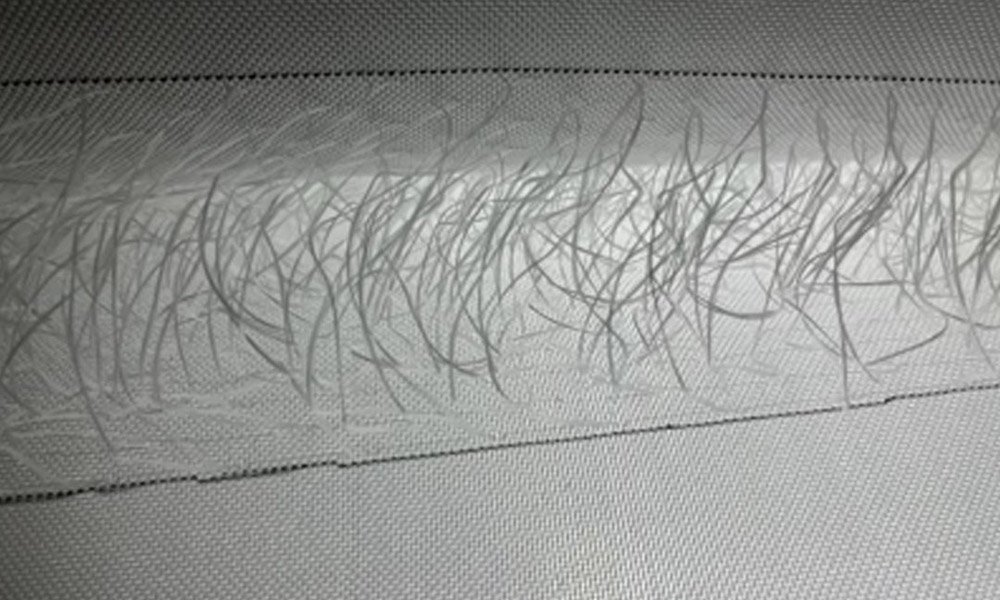
One of the primary characteristics of woven brushed fabric is its soft, plush texture. The brushing process raises the surface fibers, creating a fuzzy, comfortable feel that is pleasant against the skin. This softness makes it an ideal choice for applications where comfort is a priority, such as clothing and bedding. Additionally, the raised fibers trap air, providing excellent insulation and warmth. This thermal property makes woven brushed fabric suitable for cold-weather applications, as it helps retain body heat or insulate spaces.
Another key characteristic is its durability. Despite its soft texture, woven brushed fabric is strong and resilient, thanks to its woven construction. The brushing process does not compromise the fabric’s structural integrity, allowing it to withstand repeated washing and use without significant pilling or wear. Additionally, the fabric exhibits good breathability, allowing air circulation to prevent overheating, which enhances comfort in extended use.
Woven brushed fabric is available in a range of materials, including cotton, polyester, wool, and blends, each offering unique properties. Cotton brushed fabric is exceptionally soft and breathable, while polyester blends are more durable and resistant to wrinkles and shrinkage. Wool brushed fabric provides superior warmth and moisture-wicking properties. This material diversity allows woven brushed fabric to be tailored to specific application requirements.
The suitable application scenarios for woven brushed fabric are diverse, spanning clothing, home textiles, and industrial uses. In the clothing industry, it is used for cold-weather garments such as flannel shirts, sweatshirts, jackets, and pajamas, where its softness and warmth are highly valued. It is also used for linings in coats and jackets to enhance comfort and insulation.
In home textiles, woven brushed fabric is a popular choice for bedding items such as sheets, comforters, and blankets, as well as for upholstery fabrics for furniture like sofas and armchairs. Its soft texture and warmth make it ideal for creating cozy living spaces. Additionally, it is used for curtains and drapes, where its thermal insulation properties help regulate room temperature.
In industrial applications, woven brushed fabric is used for cleaning cloths and wipes, as the raised fibers are effective at trapping dust and debris. It is also used for padding and lining materials in bags, luggage, and automotive interiors, where its softness and durability provide comfort and protection. When selecting woven brushed fabric, factors such as material composition, fabric weight, and brushing intensity should be considered based on the application. For example, heavier-weight fabrics are suitable for cold-weather clothing and blankets, while lighter-weight fabrics are better for shirts and linings.
Proper care is also important to maintain the fabric’s properties; most woven brushed fabrics can be machine washed, but using gentle cycles and avoiding high heat drying will help prevent shrinkage and preserve the soft texture. With its combination of softness, warmth, and durability, woven brushed fabric is a versatile material that meets the needs of various applications, from everyday clothing to industrial uses.







 English
  German
  French
  Portuguese
  Japanese
  Russian
  Italian
  Spanish
  Arabic