
Carbon-aramid hybrid fabric represents a strategic combination of two high-performance materials, merging the strengths of carbon fiber and aramid fiber to create a fabric that outperforms either material alone. By leveraging the unique properties of each component, this hybrid fabric addresses the limitations of individual fibers, making it a valuable choice for applications that demand a balance of strength, impact resistance, and durability. Understanding its advantages and practical uses is key for industries seeking optimized material solutions.
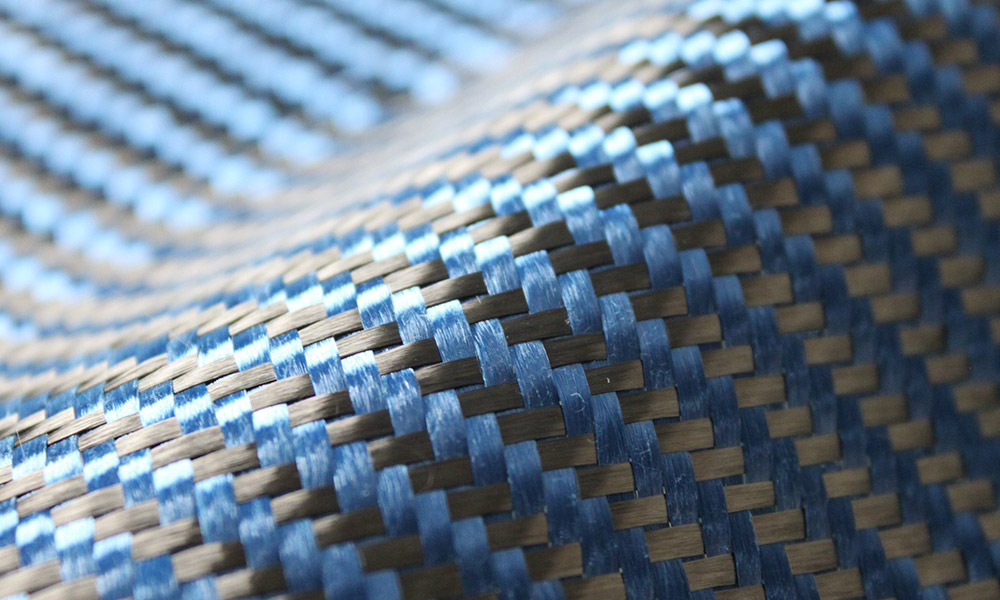
One of the primary advantages of carbon-aramid hybrid fabric is its balanced strength profile. Carbon fiber is known for its exceptional stiffness and high tensile strength, while aramid fiber (such as Kevlar) excels in impact resistance and toughness. When combined, the hybrid fabric offers both the rigidity of carbon fiber and the ductility of aramid fiber, making it suitable for applications where both properties are critical. This balance prevents the brittleness that can be a limitation of pure carbon fiber, while providing greater stiffness than pure aramid fabric.
Another significant benefit is its lightweight performance. Both carbon and aramid fibers are lightweight, and their hybrid fabric retains this characteristic, making it ideal for applications where reducing weight is a priority, such as aerospace and automotive. Additionally, the hybrid fabric exhibits excellent corrosion resistance, inheriting this property from both parent materials. It is resistant to moisture, chemicals, and UV radiation, ensuring long-term performance in harsh environments. The fabric also offers good fatigue resistance, able to withstand repeated stress without degrading, which is essential for components that undergo frequent loading and unloading.
The practical uses of carbon-aramid hybrid fabric are concentrated in industries that require high-performance materials. In the aerospace sector, it is used in aircraft components such as wings, fuselages, and interior panels, where its balance of strength and impact resistance enhances safety and fuel efficiency. The automotive industry utilizes it for high-performance vehicle parts, including chassis components, body panels, and roll cages, as it improves handling and crash safety while reducing weight.
In the sports and recreation industry, carbon-aramid hybrid fabric is used in high-end equipment like bicycles, motorcycles, tennis rackets, and snowboard (ski boards), where its combination of stiffness and toughness contributes to better performance and durability. It also finds applications in the marine industry for boat hulls, decks, and sails, leveraging its resistance to water and impact. Additionally, it is used in protective gear such as helmets, body armor, and gloves, where its ability to absorb impact energy provides enhanced safety. When working with carbon-aramid hybrid fabric, the ratio of carbon to aramid fibers can be adjusted to tailor the fabric’s properties to specific applications. This customization makes it a versatile material that can be optimized for a wide range of uses. By combining the best attributes of two high-performance fibers, carbon-aramid hybrid fabric offers a balanced solution for demanding applications.







 Portuguese
  English
  German
  French
  Japanese
  Russian
  Italian
  Spanish
  Arabic