
Oxidized PAN Fiber Stabilization Temperature: A Comprehensive Guide
Polyacrylonitrile (PAN) fibers are widely used in the production of carbon fibers due to their excellent precursor properties. However, before they can be transformed into high-performance carbon fibers, PAN fibers must undergo a stabilization process. This process involves heating the fibers to a specific temperature to remove impurities and create a more stable structure. Understanding the oxidation stabilization temperature of PAN fibers is crucial for optimizing the final properties of carbon fibers.
What is Oxidation Stabilization of PAN Fibers?
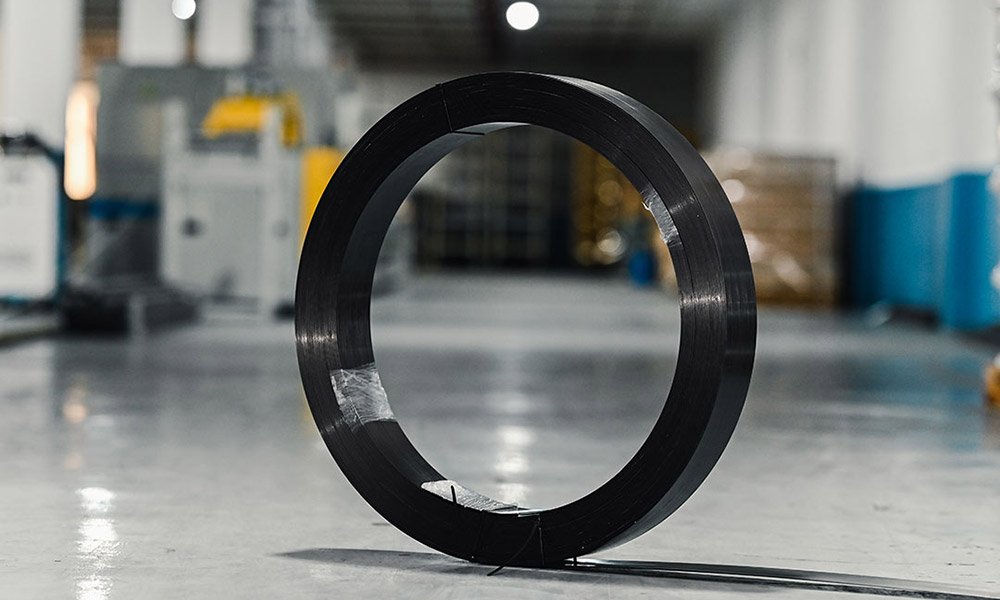
Oxidation stabilization is a critical step in the manufacturing of carbon fibers. During this process, PAN fibers are heated in the presence of oxygen, causing chemical changes that strengthen the fiber structure. The primary goal is to introduce cross-links between polymer chains, making the fibers more resistant to further decomposition at higher temperatures.
Key Questions to Consider:
- What is the typical oxidation stabilization temperature for PAN fibers?
- How does the stabilization process affect the mechanical properties of PAN fibers?
- What are the challenges associated with controlling the stabilization temperature?
Typical Oxidation Stabilization Temperature
The oxidation stabilization temperature for PAN fibers typically ranges between 200°C and 300°C. However, the exact temperature depends on various factors, including the fiber’s diameter, the duration of heating, and the oxygen concentration.
At lower temperatures (200°C–250°C), the PAN fibers undergo initial oxidation, forming carbon-nitrogen bonds and enhancing their stability. As the temperature increases to 250°C–300°C, the oxidation becomes more profound, leading to the formation of a carbon-rich structure.
Why Temperature Matters
The stabilization temperature must be carefully controlled to avoid excessive damage to the fiber. If the temperature is too high, the fibers may degrade, losing their structural integrity. Conversely, if the temperature is too low, the stabilization may be incomplete, affecting the final quality of the carbon fibers.
Impact on Mechanical Properties
The oxidation stabilization process significantly influences the mechanical properties of PAN fibers. Proper stabilization enhances tensile strength, modulus, and thermal stability, making the fibers suitable for high-performance applications such as aerospace, automotive, and sports equipment.
Benefits of Effective Stabilization:
- Increased Tensile Strength: Stabilized fibers can withstand higher forces without breaking.
- Improved Thermal Stability: The fibers remain stable at elevated temperatures, making them ideal for demanding environments.
- Enhanced Graphitization Potential: Stabilized fibers graphitize more efficiently, resulting in higher-quality carbon fibers.
Challenges in Controlling Stabilization Temperature
One of the biggest challenges in the stabilization process is maintaining uniform temperature distribution across the fibers. Variations in temperature can lead to inconsistent properties, affecting the overall quality of the final product.
Solutions to Temperature Control:
- Optimized Furnace Design: Using advanced furnace designs ensures even heat distribution.
- Precise Heating Profiles: Implementing controlled heating schedules minimizes temperature fluctuations.
- Material Selection: Choosing the right PAN precursor can improve stability and reduce degradation risks.
Sharing Insights for Better Practice
To achieve the best results in PAN fiber stabilization, manufacturers should:
1. Conduct Thorough Testing: Experiment with different temperatures to determine the optimal stabilization profile.
2. Monitor Process Parameters: Regularly check temperature, time, and oxygen flow to maintain consistency.
3. Invest in Quality Control: Implement rigorous quality checks to ensure the fibers meet industry standards.
By understanding and optimizing the oxidation stabilization temperature, producers can enhance the performance of PAN-based carbon fibers, unlocking new possibilities in advanced materials.
Conclusion
The oxidation stabilization temperature is a critical factor in the production of high-performance carbon fibers. By carefully controlling this process, manufacturers can improve the mechanical properties and thermal stability of PAN fibers, making them suitable for a wide range of applications. As research continues, further refinements in stabilization techniques will likely lead to even better outcomes in the field of advanced materials.
For more insights on carbon fiber production and optimization, stay updated with the latest industry developments and share your experiences with peers in specialized forums.







 English
  German
  French
  Portuguese
  Japanese
  Russian
  Italian
  Spanish
  Arabic