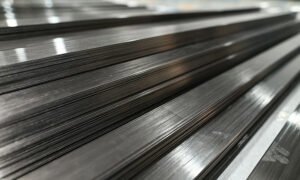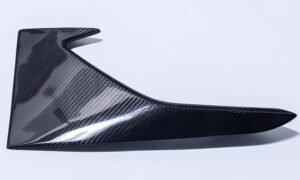
Optimizing Performance: Carbon Fibre Wing Spar Weight Reduction in Commercial Aircraft
In the competitive world of commercial aviation, optimizing aircraft performance is a critical challenge. One of the most significant areas of focus is weight reduction, particularly in the wing spar, which is a primary structural component. The use of carbon fibre composites offers a promising solution, but it also raises several questions and considerations. This article explores the potential benefits and challenges of using carbon fibre wing spars in commercial aircraft, addressing key questions along the way.
What Are the Benefits of Carbon Fibre Wing Spars?

Carbon fibre wing spars offer several advantages over traditional materials like aluminum. Firstly, carbon fibre is significantly lighter yet stronger, allowing for substantial weight reduction without compromising structural integrity. This reduction in weight directly translates to improved fuel efficiency, as lighter aircraft require less energy to fly. Additionally, carbon fibre composites have a higher fatigue life, meaning they can withstand repeated stress and bending without degrading.
Another key benefit is the corrosion resistance of carbon fibre. Unlike aluminum, which can corrode over time, carbon fibre remains stable in various environmental conditions, reducing maintenance costs and extending the lifespan of the aircraft. These advantages make carbon fibre wing spars an attractive option for manufacturers looking to enhance performance and reduce operational expenses.
What Are the Challenges of Implementing Carbon Fibre Wing Spars?
Despite the clear benefits, there are challenges to consider when transitioning to carbon fibre wing spars. One major concern is the cost. Carbon fibre materials and manufacturing processes are currently more expensive than traditional materials, which can impact the overall price of the aircraft. However, as production techniques advance and demand increases, the cost is expected to decrease, making carbon fibre more accessible.
Another challenge is the complexity of manufacturing and repair. Carbon fibre composites require specialized equipment and expertise to produce and repair, which can be a barrier for some manufacturers. Ensuring consistent quality and performance during production is also critical, as any defects can compromise the structural integrity of the wing spar.
How Does Carbon Fibre Impact Aircraft Performance?
The impact of carbon fibre wing spars on aircraft performance is multifaceted. By reducing weight, these spars contribute to improved fuel efficiency, allowing airlines to save on fuel costs and reduce their carbon footprint. Additionally, the increased strength and stiffness of carbon fibre improve the aircraft’s handling and responsiveness, enhancing the overall flying experience for passengers and pilots alike.
Furthermore, the corrosion resistance of carbon fibre extends the lifespan of the aircraft, reducing the need for frequent repairs and replacements. This longevity not only lowers maintenance costs but also increases the resale value of the aircraft. Overall, the adoption of carbon fibre wing spars can lead to significant performance improvements and cost savings.
Sharing Insights: Case Studies and Industry Trends
Several airlines and manufacturers have already begun implementing carbon fibre wing spars in their aircraft. For example, the Boeing 787 Dreamliner and the Airbus A350 XWB both utilize carbon fibre composites in their wing structures, demonstrating the feasibility and benefits of this technology. These case studies provide valuable insights into the practical applications and performance outcomes of carbon fibre wing spars.
Industry trends indicate that the use of carbon fibre composites will continue to grow in the commercial aviation sector. As technology advances and costs decrease, more manufacturers are expected to adopt this material, further driving innovation and performance improvements in aircraft design.
Conclusion
Optimizing performance through carbon fibre wing spar weight reduction in commercial aircraft is a promising approach with numerous benefits. While there are challenges to consider, the advantages in terms of fuel efficiency, durability, and maintenance costs make carbon fibre a compelling choice for the future of aviation. As the industry continues to evolve, the adoption of carbon fibre composites will likely play a significant role in shaping the next generation of commercial aircraft.
By addressing key questions and sharing insights from industry trends, this article provides a comprehensive overview of the potential and challenges of using carbon fibre wing spars. As manufacturers and airlines continue to explore innovative solutions, the integration of carbon fibre composites will undoubtedly enhance the performance and sustainability of commercial aviation.