著者名 910176034@qq.com

会社ニュース

Eco-Sustainability and Recyclability in Carbon Fiber Manufacturing

Carbon fiber has emerged as a leading material for manufacturing high-performance, lightweight products—ranging from aircraft and automotive components to sporting equipment. As global demand for this versatile material surges, however, concerns over the environmental footprint of its production and end-of-life disposal have grown increasingly prominent. Against this backdrop, evaluating the environmental impacts of carbon fiber manufacturing and exploring effective recycling and reuse strategies have become imperative. The carbon fiber production process encompasses several stages that pose potential environmental risks, including raw material extraction, energy-intensive manufacturing, and waste management. Most feedstocks for carbon fiber are derived from fossil fuels, whose extraction and processing contribute to carbon emissions and ecological degradation. Furthermore, […]

業界情報

Why Do Sports Cars Favor Carbon Fiber Materials?

Sports cars are renowned for their potent performance engines, streamlined aesthetics, and remarkable velocity. Yet another defining trait that distinguishes them from regular passenger vehicles lies in the adoption of carbon fiber composites during their manufacturing process. Carbon fiber is a high-tensile, low-weight composite material produced by interlacing carbon filaments into a fabric, which is subsequently bonded with a specialized resin. This unique composition renders it an optimal choice for sports cars, where even marginal weight savings can exert a substantial impact on both speed and maneuverability. Beyond its weight-reduction benefits, carbon fiber also boasts exceptional sturdiness and longevity. This enables sports cars constructed with carbon fiber to endure high-speed

業界情報

Application Of Carbon Fiber Composite Materials in The Field Of Medical Devices

Carbon fiber-reinforced polymers (CFRPs) have found widespread adoption across diverse industrial sectors, thanks to their inherent properties of being lightweight, high-strength, and long-lasting. In recent years, the medical device industry has also embarked on exploring the integration of CFRPs into the design and manufacturing of medical equipment—encompassing prosthetics, implants, and surgical instruments. A key benefit of CFRPs in medical applications lies in their biocompatibility. These composite materials can be surface-treated with biocompatible coatings to boost their compatibility with human tissues, positioning them as a preferred choice for implants and prosthetic components. Additionally, CFRPs exhibit exceptional fatigue resistance, rendering them a robust and long-service-life material for medical devices that are subjected

会社ニュース

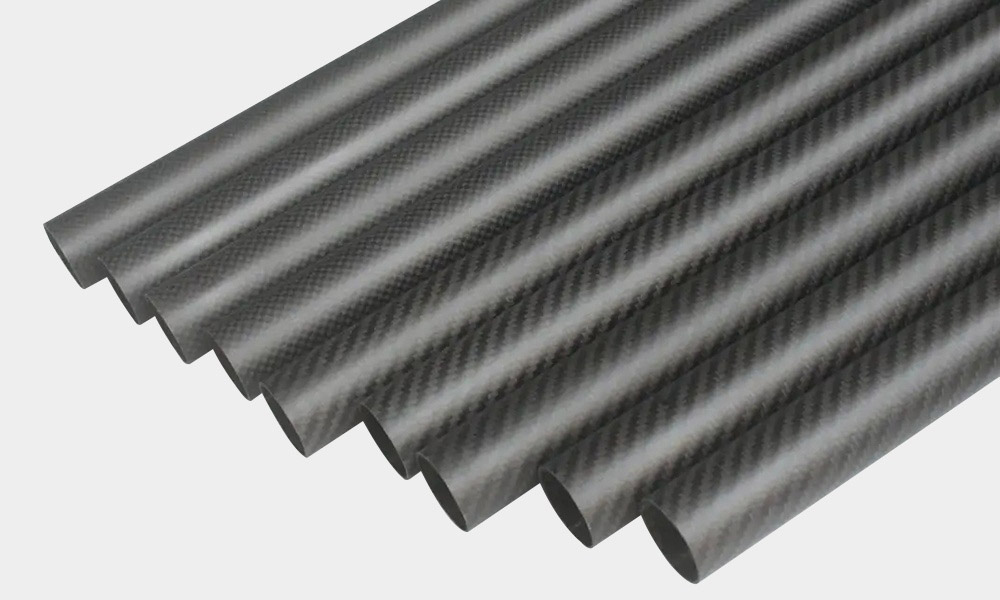
Carbon Fiber Composite Round Tube

Carbon fiber composite round tubing stands as an advanced material, delivering exceptional strength and long-lasting durability across a diverse range of applications. Renowned for its lightweight properties paired with high tensile strength, this material enhances performance standards across multiple sectors, including aerospace, automotive engineering, sports equipment design, and more. Through the integration of carbon fibers and a resin matrix, this composite achieves an superior strength-to-weight ratio, alongside remarkable resistance to fatigue, corrosion, and various forms of abrasion. Such characteristics enable it to withstand extreme environmental conditions, high-impact loads, and intense mechanical stress—making it an ideal choice for high-performance components like racing car parts, drone assemblies, space technology components, and numerous

業界情報

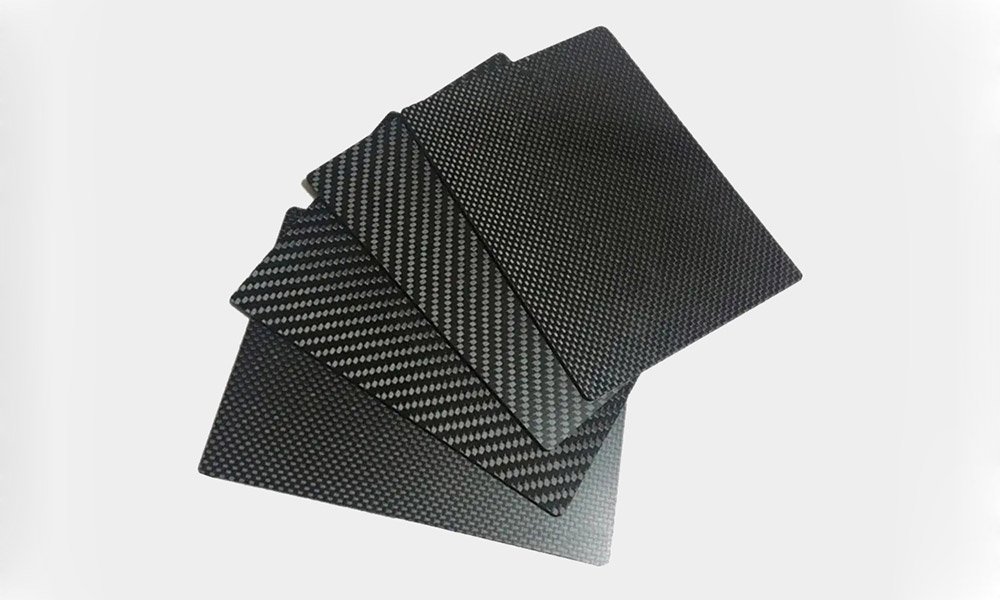
Carbon Fiber Panels: Applications and Strength Comparison with Other Materials

Carbon fiber composite panels, often referred to as carbon fiber boards, have become a staple across diverse industries thanks to their outstanding tensile strength and long-term durability. Fabricated by bonding carbon fibers with a resin matrix, these panels boast a strength-to-weight ratio that outperforms traditional materials—being approximately five times stronger than steel while significantly lighter. One of the primary sectors leveraging carbon fiber panels is aerospace, where they are integral to manufacturing aircraft fuselages, wings, and spacecraft components. The automotive industry also relies heavily on these panels, particularly for high-performance vehicles and racing cars, as their lightweight properties enhance speed and fuel efficiency. Beyond aerospace and automotive, the sports equipment

業界情報

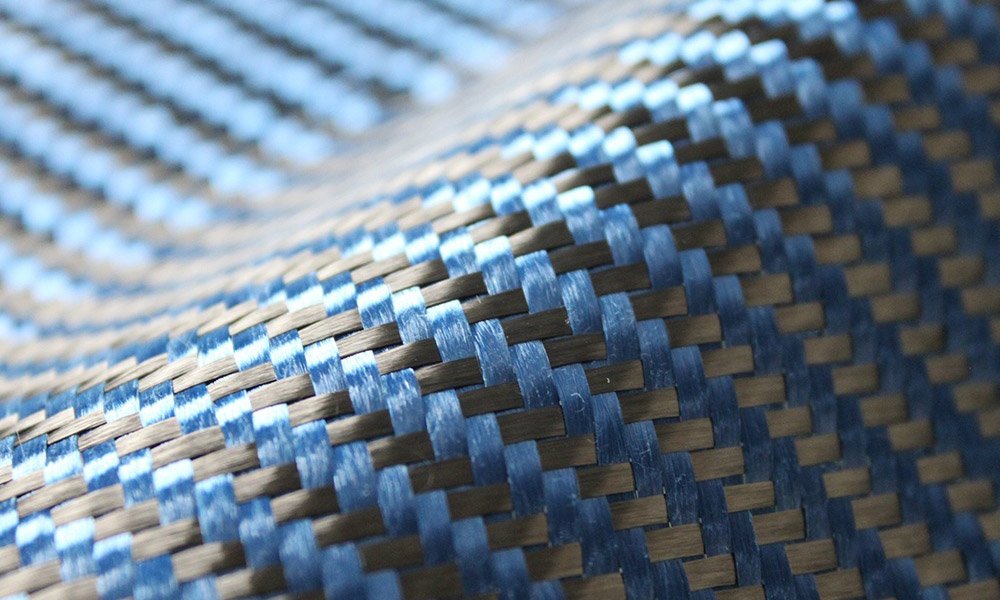
Analysis of the entire process of carbon fiber cloth reinforcement

(1)Definition and principle of action 1. Material characteristics and reinforcement mechanism Carbon fiber cloth has the characteristics of high strength (tensile strength 4400MPa), lightweight, and corrosion resistance. When combined with epoxy adhesive, it forms a reinforcement layer and works together with the surface of concrete components to improve the structural stress state. Main function: To enhance the bending, shear, seismic performance and bearing capacity of components, suitable for the reinforcement needs of concrete components such as beams, slabs, columns, etc. 2. Applicable components and reinforcement objectives Applicable components: various structures such as beams (top/bottom tensile zone bending resistance), slabs, columns (circumferential spiral adhesive shear resistance), etc. Reinforcement objective: To solve

jaJapanese
トップに戻る