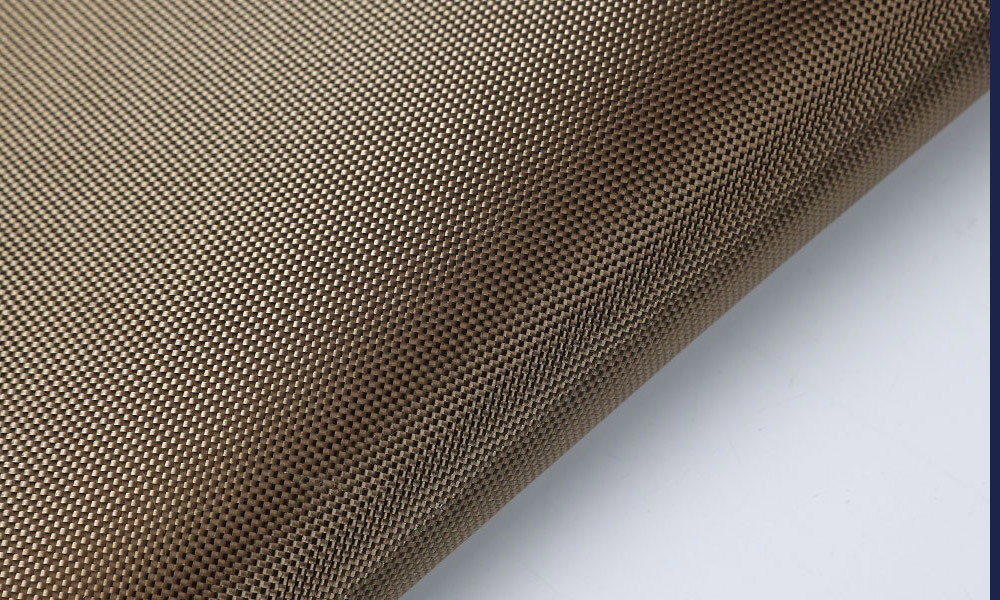
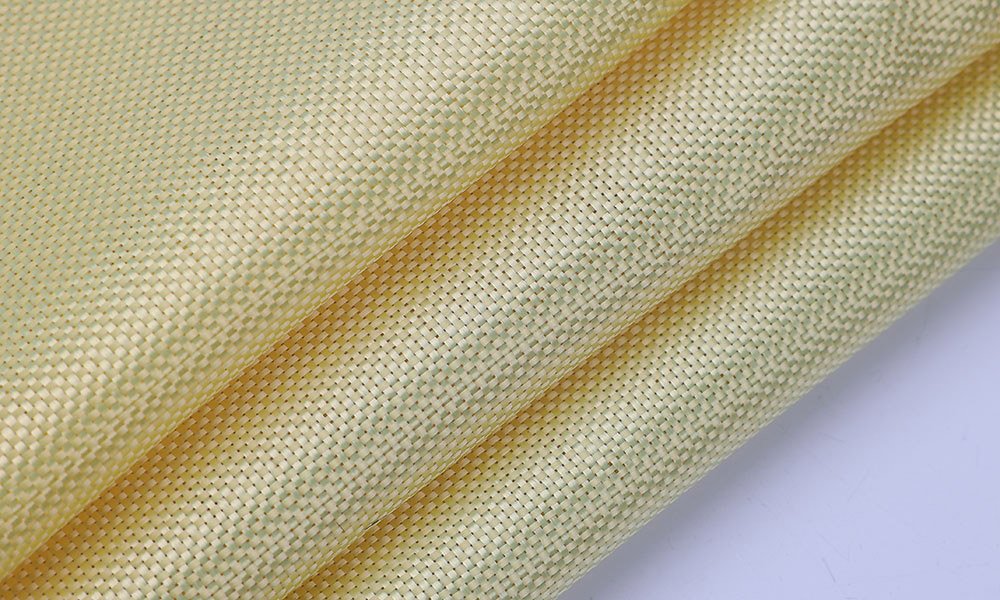
Aramid Kevlar Fiber Fabric: Key Characteristics and Application Insights
Aramid Kevlar fiber fabric is a high-performance material renowned for its exceptional strength and resistance to impact, heat, and chemicals.
Carbon fiber fabric has become a staple in industries where strength, lightweight performance, and durability are non-negotiable. Unlike traditional textiles, this advanced material is engineered to deliver exceptional mechanical properties that make it stand out in high-demand applications. Understanding its core characteristics and practical uses is essential for anyone working with advanced materials or seeking to leverage its benefits.One of the most notable properties of carbon fiber fabric is its high strength-to-weight ratio. When compared to conventional materials like steel or aluminum, carbon fiber fabric offers significantly greater tensile strength while being much lighter. This makes it an ideal choice for applications where reducing weight without compromising structural integrity is
Carbon fiber itself is indeed a relatively brittle material, but it is used as a reinforcing material in composite materials. However, due to its advantages, it can improve the toughness of composite materials. Below, Xiaokong will introduce the improvement methods and processes for everyone~ 1、 Features that can improve resilience: 1. High strength: Carbon fiber has high tensile strength and stiffness, and its strength is higher than many common materials such as steel and aluminum. Therefore, when carbon fiber is combined with other materials, it can increase the overall strength of the composite material. 2. Lightweight: Carbon fiber has a lower density compared to metal materials such as steel and

1. The raw materials for carbon fiber mainly come from polymer organic compounds and petroleum extracts. In the production process, only 1 ton of carbon fiber can be burned from 2-2.2 tons of raw silk, with a cost of about 40000 to 60000 tons, which is 4-5 times that of steel. 2. High electricity costs: The processing technology of carbon fiber mainly involves heat treatment, which requires a large amount of electricity. Electricity accounts for 25% -30% of the production cost of carbon fiber, making it a major electricity consumer. 3. The process is complex and costly: the research and production of carbon fiber involves interdisciplinary research, and the entire
For decades, carbon fiber and its composite materials have solidified their position as staples in the advanced materials sector. Renowned for their exceptional strength, robust durability, and lightweight properties, these materials have become the preferred choice for applications where performance and efficiency are paramount. The primary breakthrough direction in the technological evolution of carbon fiber and its composites lies in enhancing their strength and toughness while preserving their inherent lightweight characteristics and other favorable properties. This focus has driven the development of next-generation carbon fiber materials that boast unprecedented levels of strength and long-term reliability. One sector witnessing remarkable strides in the adoption and advancement of carbon fiber composites is
Carbon fiber has emerged as a leading material for manufacturing high-performance, lightweight products—ranging from aircraft and automotive components to sporting equipment. As global demand for this versatile material surges, however, concerns over the environmental footprint of its production and end-of-life disposal have grown increasingly prominent. Against this backdrop, evaluating the environmental impacts of carbon fiber manufacturing and exploring effective recycling and reuse strategies have become imperative. The carbon fiber production process encompasses several stages that pose potential environmental risks, including raw material extraction, energy-intensive manufacturing, and waste management. Most feedstocks for carbon fiber are derived from fossil fuels, whose extraction and processing contribute to carbon emissions and ecological degradation. Furthermore,