著者名 910176034@qq.com

業界情報

What are the uses of carbon fiber?

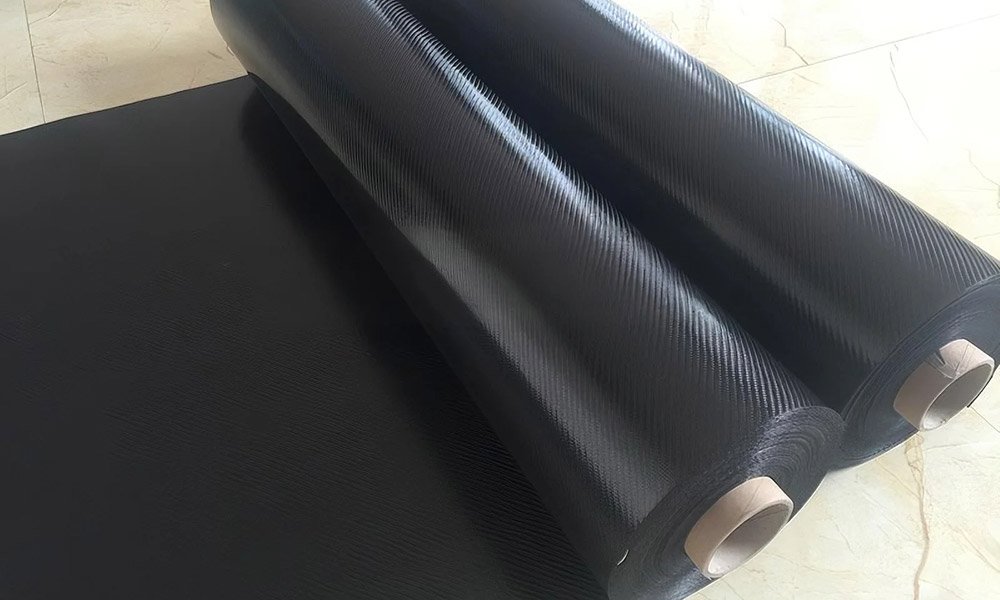
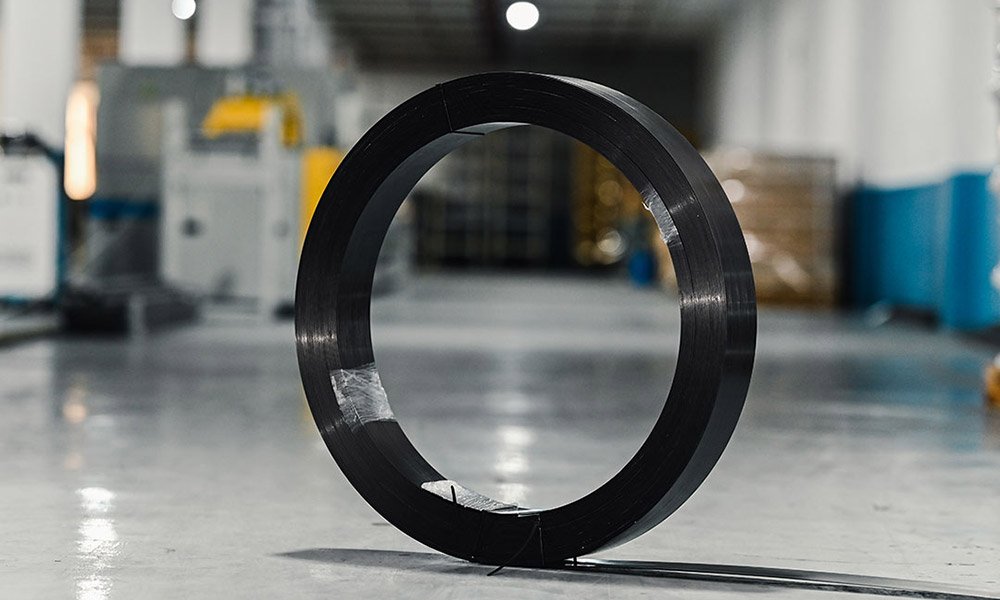
The main use of carbon fiber is to composite with matrices such as resin, metal, ceramics, etc. to make structural materials. The comprehensive indicators of specific strength and specific modulus of carbon fiber reinforced epoxy resin composite materials are relatively high among existing structural materials. In fields with strict requirements for density, stiffness, weight, fatigue characteristics, and in situations where high temperature and chemical stability are required, carbon fiber composite materials have significant advantages. Carbon fiber was produced in the early 1950s in response to the needs of cutting-edge scientific and technological advancements such as rockets, aerospace, and aviation. It is also widely used in sports equipment, textiles, chemical machinery, […]

業界情報

What is carbon fiber? In what areas is it used?

Carbon fiber (CF) is a new type of fiber material with a carbon content of over 95% and high strength and modulus. It is a microcrystalline graphite material obtained by stacking organic fibers such as flake graphite microcrystals along the fiber axis direction, and subjecting them to carbonization and graphitization treatment. Carbon fiber is “soft on the outside and rigid on the inside”, lighter in weight than aluminum metal, but stronger than steel, and has the characteristics of corrosion resistance and high modulus. It is an important material in national defense, military industry, and civilian use. It not only possesses the inherent properties of carbon materials, but also has the

業界情報

What are the types of carbon fibers and how can they be distinguished?

There are three classification methods for carbon fiber: 1. There are three types of carbonization based on raw materials: 1. The precursor is polyacrylonitrile; 2. The parent material is petroleum or coal tar pitch; 3. The parent material is adhesive silk or phenolic fiber 2. There are two types of processing methods: 1. long single fine fibers; 2. Short fibers or chopped fibers 3. According to mechanical properties, there are low modulus, standard modulus, bullet modulus, high modulus, and ultra-high modulus carbon fiber. Low modulus carbon fiber: elastic modulus below 200GPa, strength below 3500MPa Standard elastic modulus carbon fiber: elastic modulus between 200-280GPa, strength around 2500MPa or higher Bullet modulus

業界情報

カーボンファイバー・ケーブル・ステッド橋梁のケーブル腐食モニタリング:耐久性と安全性を向上させる高度な技術

Carbon Fibre Cable-Stayed Bridge Stay Cable Corrosion Monitoring: Advanced Techniques for Enhanced Durability and Safety Introduction Cable-stayed bridges are renowned for their aesthetic appeal and structural efficiency, but their long-term durability depends heavily on the condition of stay cables. These cables, often made of high-strength steel or, increasingly, carbon fibre, are exposed to environmental stressors like moisture, salt, and chemical pollutants, which can lead to corrosion. If left unmonitored, corrosion can compromise the structural integrity of the bridge, posing safety risks. This article explores the challenges associated with monitoring corrosion in carbon fibre stay cables and introduces advanced techniques that enhance durability and safety. We’ll address key questions, such as:

業界情報

コンクリート柱の炭素繊維ラップ耐震補強の利点を探る

Exploring the Benefits of Carbon Fibre Wrap Seismic Retrofitting of Concrete Columns Concrete columns are the backbone of many structures, providing essential support and stability. However, over time, these columns can become vulnerable to seismic activity, leading to potential structural failures. One innovative solution gaining traction is carbon fibre wrap seismic retrofitting. But what exactly are the benefits of this approach? Let’s delve into the questions and explore the advantages of using carbon fibre wraps for retrofitting concrete columns. What is Carbon Fibre Wrap Seismic Retrofitting? Carbon fibre wrap seismic retrofitting involves applying thin sheets of carbon fibre reinforced polymer (CFRP) to the exterior of concrete columns. These wraps enhance

業界情報

MRI対応カーボンファイバー車椅子フレーム:モビリティの未来と医療画像互換性

MRI-Compatible Carbon Fiber Wheelchair Frame: The Future of Mobility and Medical Imaging Compatibility The world of medical technology is constantly evolving, and one of the most significant advancements in recent years is the development of MRI-compatible carbon fiber wheelchair frames. These innovative designs are revolutionizing mobility for patients who require medical imaging while maintaining accessibility and comfort. But what exactly makes these wheelchairs unique, and how do they address the challenges faced by individuals who need frequent MRI scans? What Are MRI-Compatible Wheelchairs? Traditional wheelchairs are often made from materials like metal, which can interfere with MRI machines, causing distortions in imaging and potential safety hazards. MRI-compatible carbon fiber wheelchairs

jaJapanese
トップに戻る