
Carbon-basalt hybrid fabric is an innovative material that combines the high-performance characteristics of carbon fiber and basalt fiber, creating a composite fabric that offers a unique blend of strength, sustainability, and cost-effectiveness. By integrating these two distinct fibers, the hybrid fabric addresses the specific needs of industries seeking materials that balance performance with environmental responsibility. Understanding its composition and performance benefits is essential for leveraging its full potential in various applications.
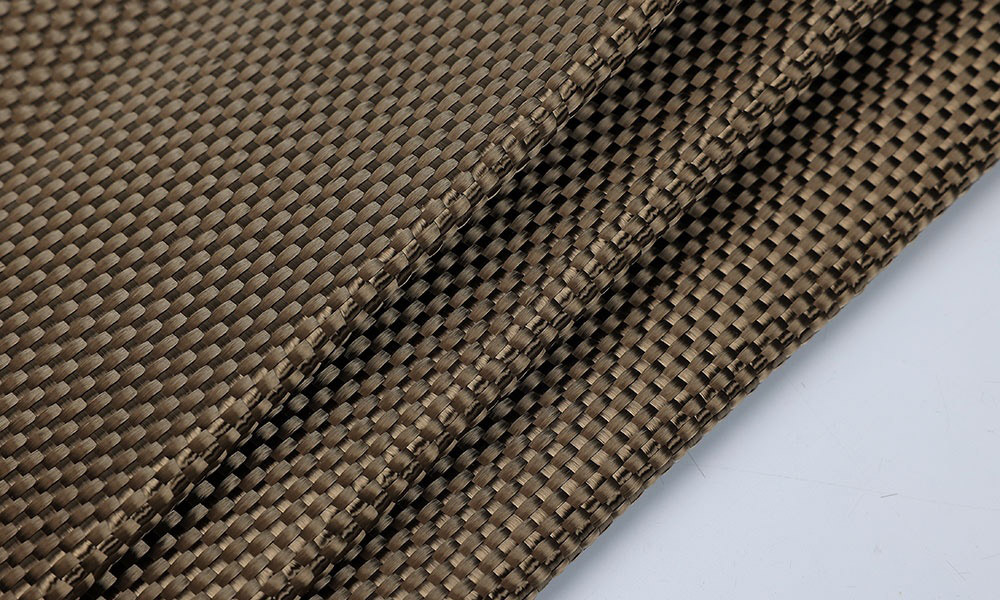
The composition of carbon-basalt hybrid fabric typically involves a weave that combines carbon fiber tows and basalt fiber tows. Carbon fiber contributes exceptional stiffness, high tensile strength, and lightweight properties, while basalt fiber adds excellent high-temperature resistance, chemical resistance, and sustainability. The ratio of carbon to basalt fibers can be adjusted based on the requirements of the application, allowing for customization of the fabric’s properties. This composition ensures that the hybrid fabric inherits the key strengths of both materials while minimizing their individual limitations, such as the brittleness of carbon fiber and the lower stiffness of pure basalt fiber.
One of the primary performance benefits of carbon-basalt hybrid fabric is its balanced mechanical properties. It offers higher stiffness and tensile strength than pure basalt fabric, while providing better impact resistance and high-temperature performance than pure carbon fiber. This balance makes it suitable for applications that require both structural rigidity and durability in challenging conditions. Additionally, the hybrid fabric maintains a lightweight profile, which is critical for industries like aerospace and automotive, where weight reduction directly impacts efficiency and performance.
Another significant advantage is its sustainability. Basalt fiber is derived from natural basalt rock, a renewable resource, and its production process requires less energy than that of carbon fiber. By incorporating basalt fiber into the hybrid fabric, the overall environmental impact of the material is reduced compared to pure carbon fiber fabric. The hybrid fabric also exhibits excellent chemical resistance, able to withstand exposure to acids, alkalis, and solvents, as well as good UV resistance, making it suitable for outdoor applications.
The applications of carbon-basalt hybrid fabric are diverse, spanning industries such as aerospace, automotive, construction, and marine. In the aerospace sector, it is used in interior components, insulation, and structural reinforcements, where its lightweight strength and high-temperature resistance contribute to improved aircraft performance. The automotive industry utilizes it for body panels, chassis components, and underbody shields, leveraging its balance of strength and cost-effectiveness. In construction, it is used for reinforcing concrete structures, fire-resistant coatings, and insulation, benefiting from its durability and sustainability.
The marine industry employs carbon-basalt hybrid fabric for boat hulls, decks, and marine ropes, as it resists water, salt, and UV radiation. Additionally, it finds applications in the industrial sector for high-temperature filters, gaskets, and seals. The cost-effectiveness of carbon-basalt hybrid fabric is another key benefit, as it offers performance comparable to high-end carbon fiber fabric at a lower cost due to the inclusion of basalt fiber. This makes it an attractive option for industries seeking to balance performance with budget constraints. By understanding its composition and performance benefits, carbon-basalt hybrid fabric can be effectively utilized in a wide range of applications, offering a sustainable and high-performance material solution.

 Italian
  English
  German
  French
  Portuguese
  Japanese
  Russian
  Spanish
  Arabic