
Exploring the Strength and Versatility of Carbon Fiber Materials in Modern Engineering
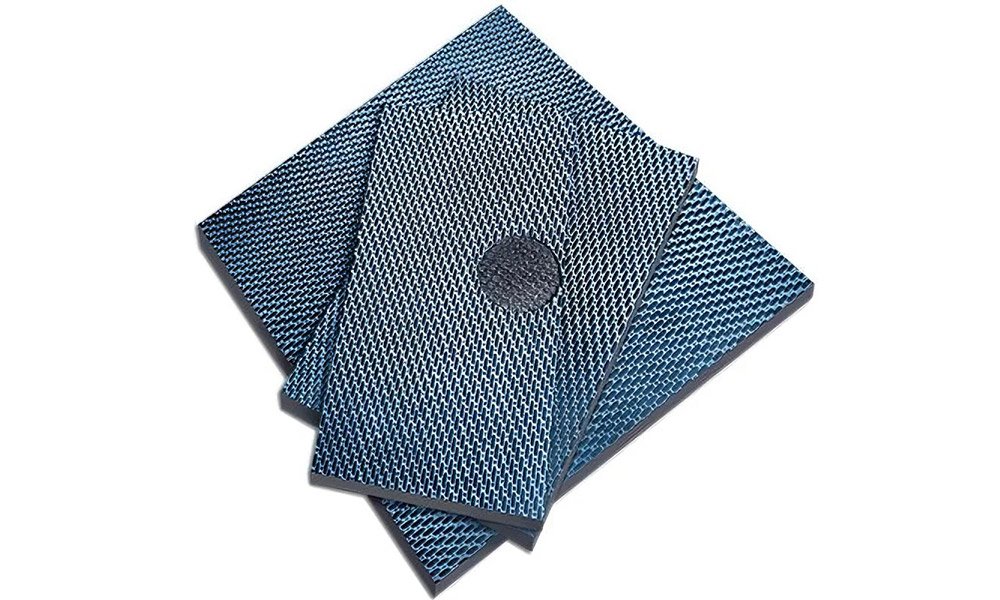
Carbon fiber materials have emerged as a revolutionary force in modern engineering, offering unparalleled strength, lightweight properties, and versatility. As industries continue to push the boundaries of innovation, understanding the full potential of carbon fiber is crucial. This article delves into the strengths and applications of carbon fiber, addressing key questions that highlight its significance in contemporary engineering.
What Makes Carbon Fiber So Strong?
Carbon fiber is renowned for its exceptional strength-to-weight ratio, making it a preferred choice for high-performance applications. Unlike traditional materials such as steel, carbon fiber can withstand significant stress while maintaining a low weight. This characteristic is attributed to the molecular structure of carbon fibers, which are composed of long, thin strands of carbon atoms arranged in a hexagonal lattice. This arrangement allows the material to absorb and distribute energy efficiently, enhancing its durability and resilience.
How Versatile Is Carbon Fiber in Engineering?
The versatility of carbon fiber is another compelling aspect that sets it apart. Engineers and designers leverage its properties to create innovative solutions across various sectors. From aerospace to automotive, and from sports equipment to construction, carbon fiber’s adaptability is evident. Its ability to be molded into complex shapes while retaining structural integrity makes it ideal for applications where traditional materials fall short.
What Are the Key Applications of Carbon Fiber?
One of the most prominent applications of carbon fiber is in the aerospace industry. Aircraft manufacturers utilize carbon fiber composites to reduce weight and increase fuel efficiency, leading to lower operational costs and reduced environmental impact. Similarly, the automotive industry benefits from carbon fiber by producing lighter, more fuel-efficient vehicles that enhance performance and safety.
Beyond these sectors, carbon fiber is also used in renewable energy, such as wind turbine blades, where its lightweight and high-strength properties contribute to greater energy generation. In sports equipment, carbon fiber bicycles, tennis rackets, and skis exemplify how the material enhances performance and durability.
How Does Carbon Fiber Compare to Traditional Materials?
When comparing carbon fiber to traditional materials like steel and aluminum, the differences are striking. While steel is strong, it is also heavy, making it less suitable for applications where weight is a critical factor. Aluminum, on the other hand, offers a balance between strength and weight but does not match carbon fiber’s performance in terms of stiffness and impact resistance.
What Are the Challenges of Using Carbon Fiber?
Despite its numerous advantages, carbon fiber presents some challenges. The material is expensive to produce, and the manufacturing process can be complex. Additionally, recycling carbon fiber composites remains a challenge, as they are difficult to break down and reuse. However, ongoing research and development are addressing these issues, paving the way for more sustainable use of carbon fiber.
Sharing Insights: The Future of Carbon Fiber in Engineering
As we continue to explore the potential of carbon fiber, it is clear that this material will play a pivotal role in shaping the future of engineering. Innovations in manufacturing techniques and recycling processes are making carbon fiber more accessible and environmentally friendly. By sharing insights and collaborating across industries, engineers can unlock new possibilities and push the boundaries of what is possible.
In conclusion, carbon fiber materials offer exceptional strength and versatility, making them indispensable in modern engineering. Whether in aerospace, automotive, or renewable energy, carbon fiber’s unique properties enable the creation of high-performance, lightweight solutions. As we address the challenges and continue to innovate, the potential of carbon fiber is limitless, promising to revolutionize the way we build and design for the future.








 English
  German
  French
  Portuguese
  Japanese
  Russian
  Italian
  Spanish
  Arabic