
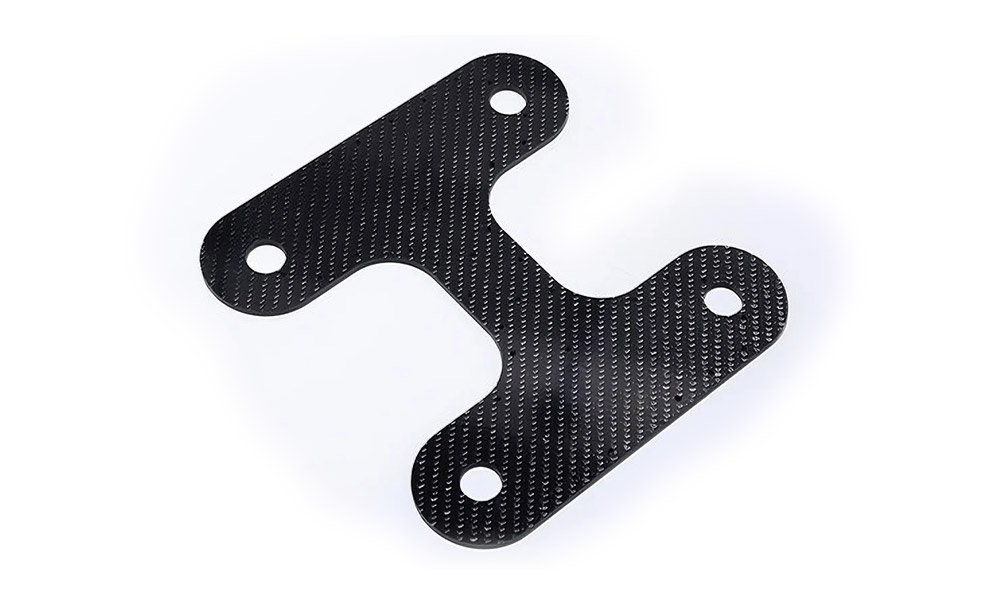
Industrial applications often require parts that are both lightweight and strong. Carbon fiber has become a popular material for this purpose. It offers several advantages over traditional materials. The first benefit is its high strength-to-weight ratio. This makes it ideal for use in environments where weight is a critical factor. Another advantage is its resistance to corrosion. Unlike metal, carbon fiber does not rust or degrade over time. This means parts made from carbon fiber can last longer. Additionally, carbon fiber is heat resistant. It can withstand high temperatures without losing its properties. These characteristics make it a versatile choice for many industries.
When selecting carbon fiber parts, engineers have specific requirements. Durability is a primary concern. Parts must withstand heavy use without breaking. Another important factor is precision. Carbon fiber parts often need to fit into tight spaces. The material can be molded to very exact specifications. Cost-effectiveness is also considered. While carbon fiber can be expensive, it often saves money in the long run. This is because the parts last longer and require less maintenance.
The manufacturing process of carbon fiber parts is also significant. It begins with a base material, often a polymer or fiber. This material is then woven into a specific pattern. Next, it is cured under high pressure and temperature. This creates a strong, stable structure. The final step is finishing. Any imperfections are removed, and the part is polished. This ensures it meets all industry standards.
Different industries use carbon fiber parts for various applications. Aerospace is one of the most common uses. Aircraft require parts that are both light and strong. Carbon fiber meets this need perfectly. Automotive industries also benefit from carbon fiber. Car manufacturers use it to make parts that improve fuel efficiency. The parts are lighter, reducing the overall weight of the vehicle.
Medical devices are another area where carbon fiber is valuable. Surgical instruments need to be strong yet lightweight. Carbon fiber provides this balance. It is also hypoallergenic, making it safe for medical use. The construction industry has also adopted carbon fiber. It is used to create strong, durable structures. These structures can withstand harsh weather conditions.
Environmental considerations are important when using carbon fiber. The production process can be energy-intensive. However, the long lifespan of carbon fiber parts reduces waste. This makes it a more sustainable option over time. Researchers are also working on ways to make the production process more eco-friendly. These efforts aim to minimize the environmental impact of carbon fiber manufacturing.
In conclusion, carbon fiber industrial parts offer many benefits. They are strong, lightweight, and durable. These properties make them ideal for various applications. From aerospace to medical devices, carbon fiber is a versatile material. As technology advances, its uses will only expand. The industry continues to innovate to meet the growing demand for carbon fiber parts.


 German
  English
  French
  Portuguese
  Japanese
  Russian
  Italian
  Spanish
  Arabic