
Vergleich des Gewichts von Kohlefaser-Fahrradrahmen: Eine detaillierte Analyse
When it comes to competitive cycling, every gram counts. This is why carbon fibre bike frames have become a popular choice among professional and amateur athletes alike. But what exactly makes carbon fibre frames so lightweight, and how do they compare to other frame materials? In this detailed analysis, we’ll explore the weight differences, performance implications, and other factors to consider when choosing a carbon fibre bike frame.
Why Choose Carbon Fibre?
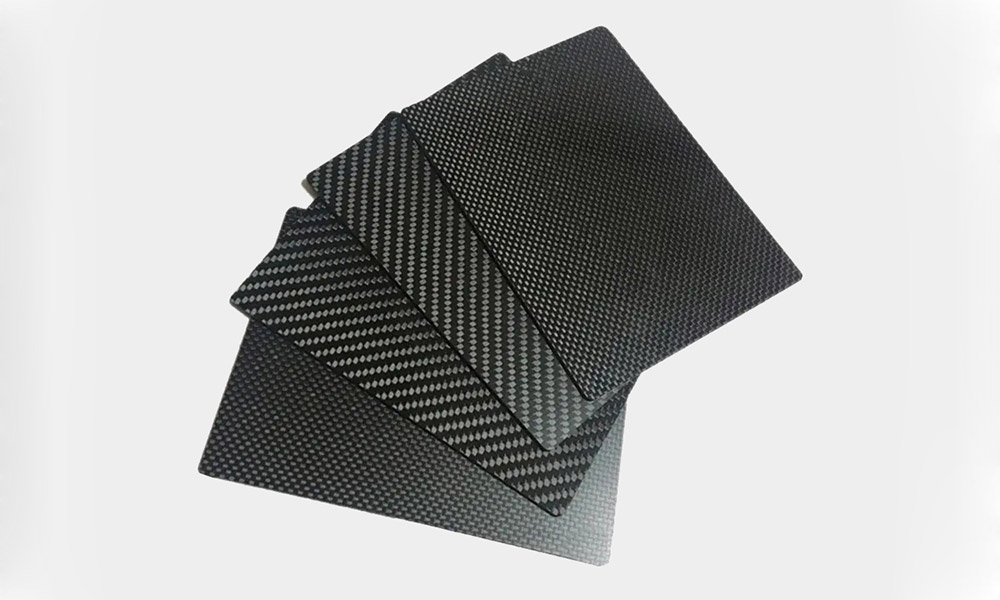
Carbon fibre is renowned for its exceptional strength-to-weight ratio, making it an ideal material for bicycle frames. Unlike traditional steel or aluminum frames, carbon fibre offers superior stiffness and vibration damping, which can enhance ride comfort and performance. But the most significant advantage for many cyclists is weight reduction.
What are the weight savings?
Carbon fibre frames typically weigh between 700 and 900 grams for road bikes, compared to 1,000 to 1,500 grams for aluminum frames and over 1,500 grams for steel frames. These weight savings can translate to faster accelerations, easier climbs, and improved endurance during long rides.
Weight Comparison: Carbon vs. Other Materials
Let’s dive deeper into how carbon fibre stacks up against other common frame materials:
Carbon Fibre vs. Aluminum
Aluminum frames are lighter than steel but heavier than carbon fibre. While aluminum offers good strength and stiffness, it lacks the same level of vibration damping as carbon fibre. For competitive cyclists, the weight difference can be the deciding factor.
Carbon Fibre vs. Steel
Steel frames are the heaviest of the three but also the most durable and comfortable. They are ideal for cyclocross and touring bikes where ride quality and longevity are prioritized. However, for racing, the additional weight can be a significant drawback.
Carbon Fibre vs. Titanium
Titanium frames strike a balance between weight and strength, offering more comfort than aluminum but less weight than carbon fibre. While they are a popular choice for endurance riders, carbon fibre still edges out titanium in terms of weight savings.
Performance Implications of Weight
The weight of a bike frame directly impacts its performance. A lighter frame requires less energy to accelerate and maintain speed, reducing fatigue during long rides. Additionally, lighter frames can handle sharper turns and rougher terrain more effectively, enhancing overall ride quality.
How does weight affect real-world performance?
In a 100-mile road race, a rider using a carbon fibre frame might save several minutes compared to a rider with a heavier steel frame. Over shorter distances, such as sprint races, the weight difference can be even more pronounced.
Is Carbon Fibre Right for You?
While carbon fibre offers significant weight savings and performance benefits, it’s not the best choice for everyone. Factors to consider include:
- Budget: Carbon fibre frames are generally more expensive than aluminum or steel frames.
- Riding Style: Competitive road cyclists and triathletes will benefit most from carbon fibre, while touring and cyclocross riders might prefer steel or aluminum.
- Dauerhaftigkeit: Carbon fibre frames are durable but can be more susceptible to damage from impacts compared to metal frames.
Einblicke mit anderen Radfahrern teilen
When discussing bike frames with fellow cycling enthusiasts, it’s essential to highlight the advantages of carbon fibre. Many riders are curious about the weight differences and performance benefits, making it a great topic for group discussions. Sharing personal experiences and insights can help others make informed decisions about their own equipment choices.
For example, you might share how switching from an aluminum frame to a carbon fibre frame improved your climbing speed or how the reduced weight made long-distance rides more enjoyable. These real-world examples can be more persuasive than technical specifications alone.
Schlussfolgerung
Carbon fibre bike frames offer substantial weight savings and performance benefits, making them a top choice for competitive cyclists. While they come at a higher cost and may not be suitable for all riding styles, their advantages in terms of stiffness, vibration damping, and overall ride quality are hard to ignore. By understanding the weight differences and performance implications, cyclists can make informed decisions that enhance their riding experience.
Whether you’re training for a marathon, participating in a local crit, or simply enjoy the thrill of the ride, a carbon fibre frame might be the perfect investment. So, the next time you hit the road, consider how reducing your bike’s weight could transform your performance and enjoyment of cycling.



 German
  English
  French
  Portuguese
  Japanese
  Russian
  Italian
  Spanish
  Arabic