
When it comes to supercars and race cars, every detail matters. One key part that changes how they perform is their body panels. These panels need to be strong, but they also need to be light. That’s where one material stands out from the rest.
Lightweight Design Matters
Supercars and race cars need to be light to go fast. Heavy body panels slow them down and use more fuel. Even a small reduction in weight can boost speed and agility. This is why engineers focus so much on lightweight materials for these vehicles.
A lighter car can accelerate quicker and stop faster too. It also handles better on tight turns and long straightaways. Drivers notice the difference right away when they get behind the wheel. Lightweight panels don’t just help with speed—they improve overall control.
Strength That Lasts
While being light is important, strength can’t be sacrificed. Race cars and supercars face harsh conditions on the road and track. They need panels that can handle impacts, wind, and constant use without breaking. Weak panels would put drivers at risk and ruin performance.
The best materials for these panels are both light and strong. They need to hold up to high speeds and rough handling. They also need to last through multiple uses, whether on the street or the race track. This balance is hard to achieve, but one material does it well.
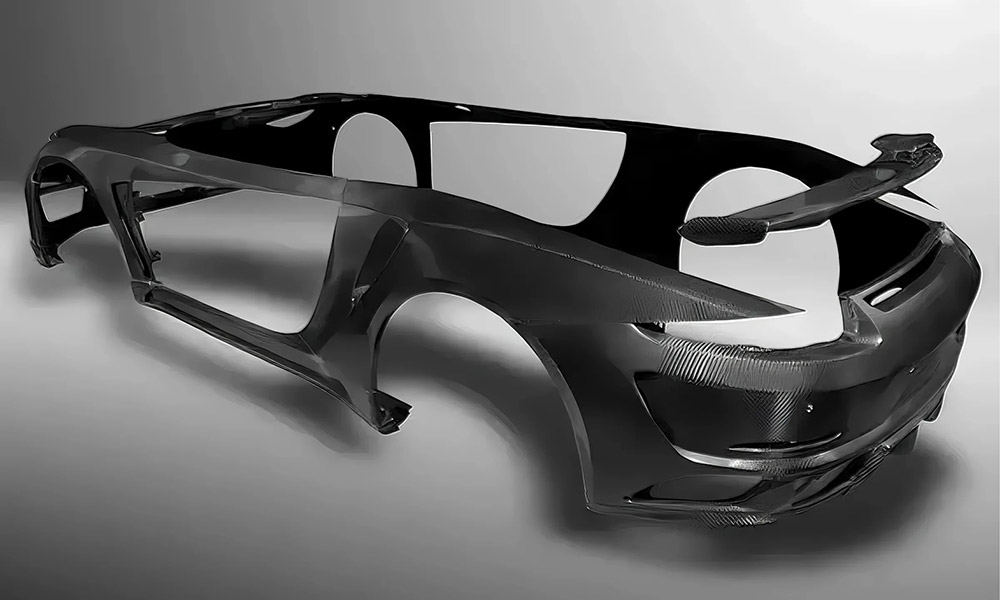
A Balance of Function and Form
Supercars and race cars aren’t just about performance—they also need to look good. Body panels shape the car’s appearance and aerodynamics. Sleek, smooth panels help the car cut through the air and look stylish at the same time.
Many materials that are strong are also bulky or ugly. Others that are light lack the strength needed for high-performance cars. Finding a material that checks both boxes is crucial. It needs to work well and look good for drivers and fans alike.
Why It Stands Out
One material has become the top choice for these body panels in recent years. It’s light enough to boost speed and strong enough to handle tough conditions. It also has a sleek, modern look that fits well with supercars and race cars.
This material is easy to shape into different designs, too. Engineers can mold it to fit any car’s style while keeping it light and strong. It doesn’t add extra weight, and it won’t crack or bend easily under pressure. That’s why it’s used more and more in high-performance vehicles.
It also helps with fuel efficiency, which is a bonus for street-legal supercars. Even small gains in efficiency matter, especially as drivers look for more practical high-performance options. This material checks all the boxes for both function and practicality.
Looking Ahead
As supercars and race cars evolve, so will the materials used to build them. But the material we’re talking about isn’t going anywhere soon. It continues to be the top choice for engineers and designers around the world.
New ways to improve this material are being developed every day. These improvements will make it even lighter, stronger, and more affordable. This means more high-performance cars will use it in the future, making them faster and safer than ever before.
For anyone who loves supercars or race cars, this material is a game-changer. It’s the reason these cars perform so well and look so amazing. It’s a small part of the car, but it makes a huge difference in how it drives and feels.
Contact Us
Interested in our Carbon Fibre? Reach out anytime via WhatsApp: 8618921275456 or email: sales@sino-grate.com. We eagerly await your contact!


 English
  German
  French
  Portuguese
  Japanese
  Russian
  Italian
  Spanish
  Arabic