
What Is Carbon-Basalt Hybrid Fabric?
Carbon-basalt hybrid fabric combines carbon fibers and basalt fibers in a woven structure. This hybrid design offers carbon’s high strength-to-weight ratio with basalt’s heat resistance and cost-effectiveness. It provides a balanced solution for many industrial applications.
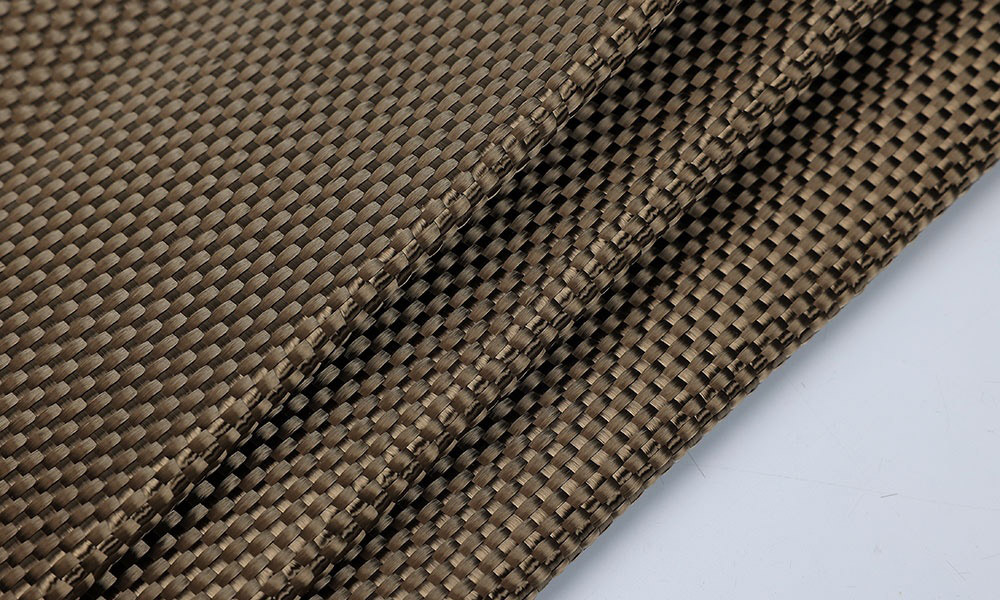
Key Characteristics
Cost-effectiveness is a major advantage. Basalt fibers cost less than carbon fibers. The hybrid design reduces overall material costs while maintaining good performance.
Balanced strength and heat resistance meet diverse needs. Carbon fibers provide high tensile strength. Basalt fibers add heat resistance up to 600°C (1112°F).
It offers good chemical resistance. Both fiber types resist most chemicals, making the fabric suitable for harsh industrial environments. This extends its lifespan in challenging conditions.
Applications
Industrial composite manufacturing uses it for machine parts and equipment enclosures. It provides strength and heat resistance at a lower cost.
Construction applications include building reinforcement and fire-resistant panels. Its heat resistance and strength enhance structural safety.
Automotive underhood components use it for heat shields and engine parts. It protects against engine heat while maintaining structural integrity.
Selection Tips
Determine fiber ratio based on needs. Higher carbon content for maximum strength. Higher basalt content for better heat resistance and lower cost.
Check operating temperature. Ensure the basalt component can handle your application’s heat. It should be rated above the maximum operating temperature.
Evaluate manufacturing compatibility. Ensure it works with your molding or bonding processes. Proper processing ensures optimal fiber performance.
Interested in our Carbon Fibre? Reach out anytime via WhatsApp: 8618921275456 or email: sales@sino-grate.com. We eagerly await your contact!

 English
  German
  French
  Portuguese
  Japanese
  Russian
  Italian
  Spanish
  Arabic