
Carbon fiber has become a preferred material for drone parts due to its exceptional strength-to-weight ratio, durability, and rigidity. Carbon fiber drone parts offer significant advantages over traditional materials like plastic or aluminum, enhancing drone performance, flight time, and reliability. Understanding the manufacturing process and performance attributes of carbon fiber drone parts is essential for drone enthusiasts, manufacturers, and professionals using drones for commercial applications.
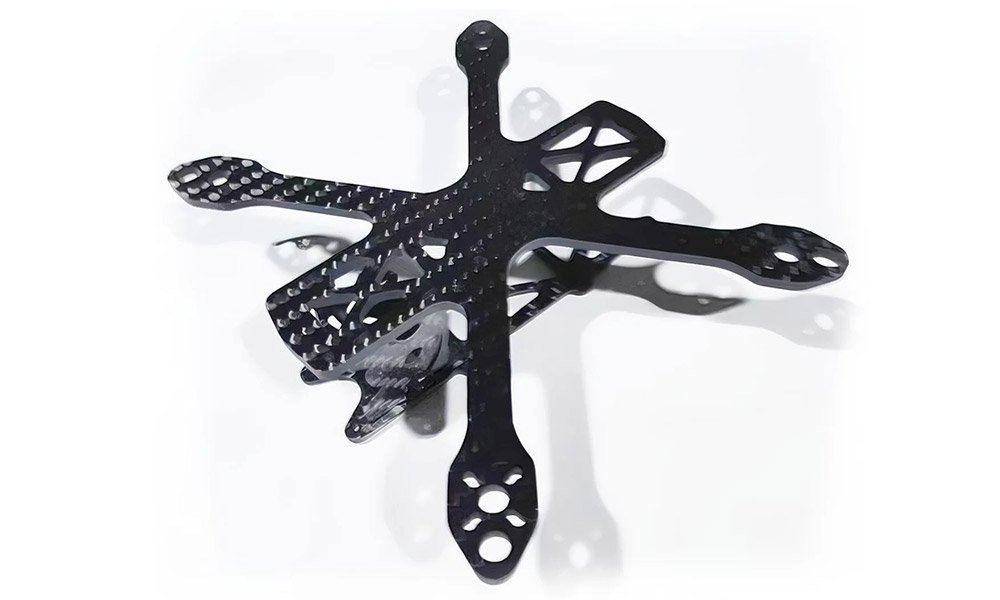
The manufacturing of carbon fiber drone parts involves several key steps, each critical to ensuring the final product meets the required performance standards. The process typically begins with the design phase, where computer-aided design (CAD) software is used to create precise models of the parts. This step is crucial for optimizing the part’s geometry to maximize strength while minimizing weight. Next, the carbon fiber material, often in the form of prepreg (fibers impregnated with resin), is cut to the required shape using computer numerical control (CNC) cutting machines for precision.
The layup process follows, where the cut carbon fiber plies are stacked in specific orientations to achieve the desired strength and stiffness. The orientation of the plies is tailored to the loads the part will experience during flight. For example, parts subjected to bending loads may have plies oriented at 0°, 90°, and ±45° to provide balanced strength. Once the layup is complete, the part is placed in a mold and consolidated using vacuum bagging to remove air and excess resin. Curing is then performed, either in an autoclave or using out-of-autoclave (OOA) methods, to harden the resin and bond the fibers together.
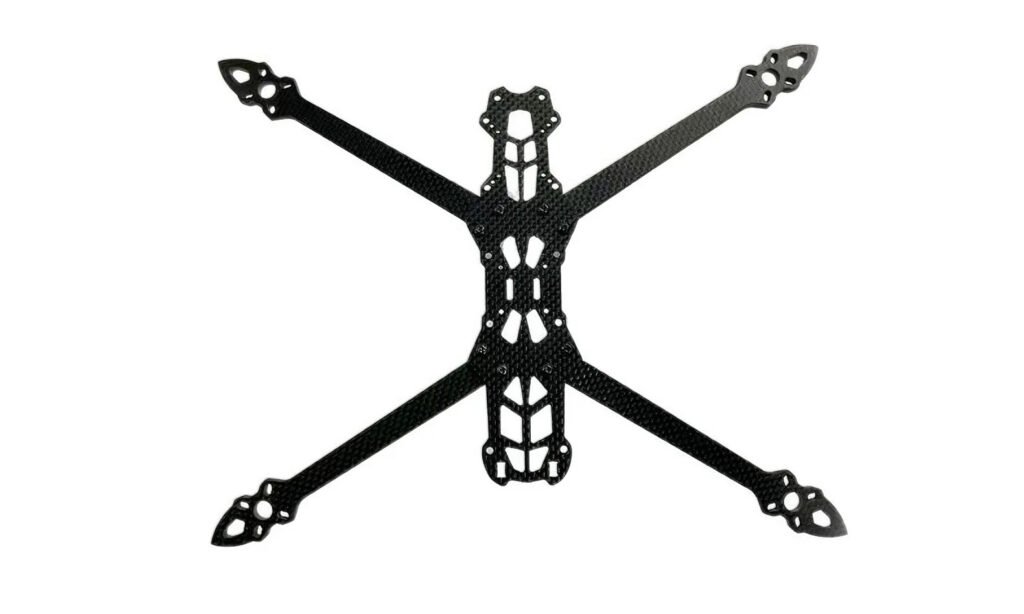
After curing, the part undergoes post-processing steps such as trimming, sanding, and finishing to achieve the final dimensions and surface quality. Some parts may also require additional treatments, such as painting or coating, to enhance durability and resistance to environmental factors. The entire manufacturing process requires strict quality control to ensure the part is free from defects like voids, delamination, or fiber misalignment, which can compromise performance.


 English
  German
  French
  Portuguese
  Japanese
  Russian
  Italian
  Spanish
  Arabic