
For decades, carbon fiber and its composite materials have solidified their position as staples in the advanced materials sector. Renowned for their exceptional strength, robust durability, and lightweight properties, these materials have become the preferred choice for applications where performance and efficiency are paramount.
The primary breakthrough direction in the technological evolution of carbon fiber and its composites lies in enhancing their strength and toughness while preserving their inherent lightweight characteristics and other favorable properties. This focus has driven the development of next-generation carbon fiber materials that boast unprecedented levels of strength and long-term reliability.
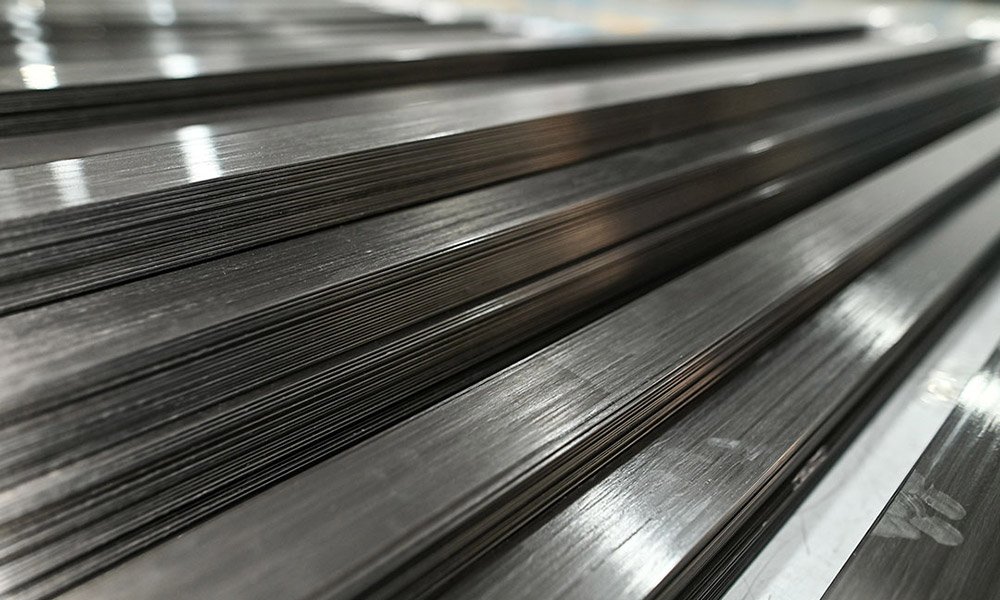
One sector witnessing remarkable strides in the adoption and advancement of carbon fiber composites is the aerospace industry. Their superior strength-to-weight ratio makes them particularly well-suited for aircraft structural components, as they enable significant weight reduction without compromising structural integrity. Recent technical progress has yielded high-strength carbon fiber variants with enhanced abrasion and fatigue resistance, thereby extending the service life of critical aircraft structures and supporting the design of more fuel-efficient and aerodynamically optimized aircraft.
Beyond aerospace, the automotive industry stands as another key application area for these advanced composites. Carbon fiber and its derivatives are increasingly integrated into the manufacturing of high-performance sports cars, racing vehicles, and electric vehicles (EVs). Their lightweight nature delivers tangible benefits, including improved fuel economy for combustion engines, extended range for EVs, and enhanced overall vehicle dynamics—such as better acceleration and handling.
In the construction sector, carbon fiber composites have emerged as a game-changing solution for reinforcing concrete structures, bridges, and tunnels. Their integration enhances the overall durability and service life of these infrastructures, while simultaneously reducing long-term maintenance and repair costs. This application has proven invaluable in retrofitting aging structures and enhancing their resilience against environmental stressors and structural fatigue.
In summary, the technological breakthroughs and advancements in carbon fiber and its composite materials have centered on optimizing three core attributes: strength, lightness, and durability. These improvements have translated into substantial performance and efficiency gains across critical industries, including aerospace, automotive, and construction. As research and development efforts continue to advance, these materials are poised to play an even more pivotal role in shaping the future of advanced manufacturing and infrastructure development.


 English
  German
  French
  Portuguese
  Japanese
  Russian
  Italian
  Spanish
  Arabic