
Understanding Carbon Fibre Fatigue Life Under Cyclic Loading: Key Insights and Analysis
Carbon fibre composites have become increasingly popular in aerospace, automotive, and sporting goods due to their high strength-to-weight ratio and exceptional fatigue resistance. However, understanding the fatigue life of carbon fibres under cyclic loading remains a critical area of study. This article explores key insights and analyses into how carbon fibres behave under repeated stress, addressing common questions and offering valuable insights for engineers and material scientists.
What is Carbon Fibre Fatigue?
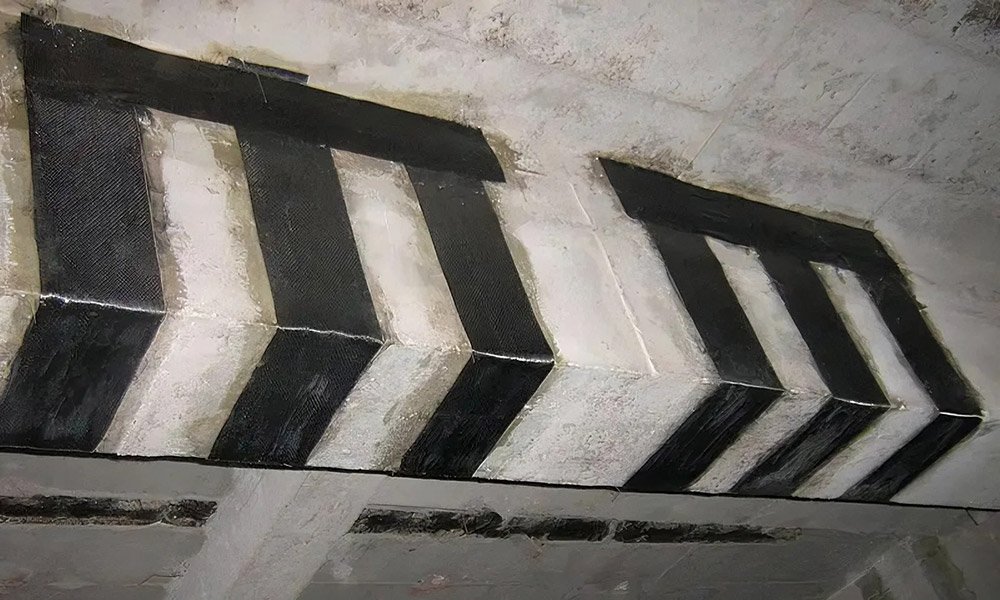
Carbon fibre fatigue refers to the degradation of material properties due to repeated loading and unloading cycles. Unlike metals, which often exhibit visible signs of wear, carbon fibres experience fatigue at a microscopic level. This makes understanding and predicting fatigue life particularly challenging but essential for ensuring the durability of structures built with these materials.
Why is Cyclic Loading a Concern?
Cyclic loading occurs when a material is subjected to repeated stress cycles, such as vibrations or mechanical impacts. In applications like aircraft wings or bicycle frames, cyclic loading is inevitable. Over time, this can lead to microcracks that propagate, eventually causing catastrophic failure. Therefore, assessing how carbon fibres respond to cyclic loading is crucial for preventing unexpected failures.
Key Factors Affecting Fatigue Life
Several factors influence the fatigue life of carbon fibres, including:
- Loading Frequency: Higher loading frequencies can accelerate fatigue damage.
- Amplitude of Loading: The degree of stress applied in each cycle significantly impacts fatigue life.
- Environmental Conditions: Temperature, humidity, and exposure to chemicals can exacerbate fatigue.
- Fibre Orientation: The alignment of fibres within the composite affects how stress is distributed.
Research Findings and Insights
Recent studies have revealed that carbon fibres exhibit different fatigue behaviors depending on the aforementioned factors. For instance, research published in the Journal of Composite Materials found that fibres aligned parallel to the loading direction experience higher fatigue damage compared to those oriented at 45 degrees. Additionally, cyclic loading at higher temperatures can significantly reduce fatigue life, making thermal management a critical consideration in design.
Practical Implications for Engineers
For engineers designing structures with carbon fibres, several best practices can enhance fatigue life:
- Optimize fibre orientation to distribute stress more evenly.
- Implement stress-relief mechanisms to minimize cyclic stress concentrations.
- Monitor environmental conditions and use protective coatings where necessary.
- Utilize advanced simulation tools to predict fatigue behavior accurately.
Sharing Insights with the Industry
The findings from this analysis are not only academically valuable but also have practical applications for industry professionals. By sharing insights on how different loading conditions affect carbon fibre fatigue, engineers can make more informed decisions in material selection and structural design. Collaboration between researchers and industry experts is essential to translate these insights into real-world solutions.
Conclusion
Understanding carbon fibre fatigue life under cyclic loading is vital for ensuring the longevity and safety of composite structures. By addressing key questions and analyzing critical factors, engineers can develop more robust designs that withstand repeated stress. As research continues to evolve, new methodologies and materials will further enhance our ability to predict and mitigate fatigue damage, paving the way for even safer and more efficient applications of carbon fibre composites.
This exploration into carbon fibre fatigue life under cyclic loading underscores the importance of ongoing research and collaboration. By staying informed and implementing best practices, the industry can continue to leverage the full potential of carbon fibres in various high-performance applications.


 English
  German
  French
  Portuguese
  Japanese
  Russian
  Italian
  Spanish
  Arabic