
Exploring the Benefits of Chopped Carbon Fibre Reinforced Plastic in Modern Manufacturing
Introduction
In the rapidly evolving landscape of modern manufacturing, engineers and designers are constantly seeking materials that offer superior performance, durability, and efficiency. Among these materials, chopped carbon fibre reinforced plastic (CFRP) has emerged as a game-changer. But what exactly are the benefits of using chopped carbon fibre reinforced plastic in modern manufacturing? How does it compare to traditional materials? And what challenges might manufacturers face when implementing this innovative material? This article explores these questions and more, providing insights into why chopped carbon fibre reinforced plastic is becoming a preferred choice in various industries.
What is Chopped Carbon Fibre Reinforced Plastic?
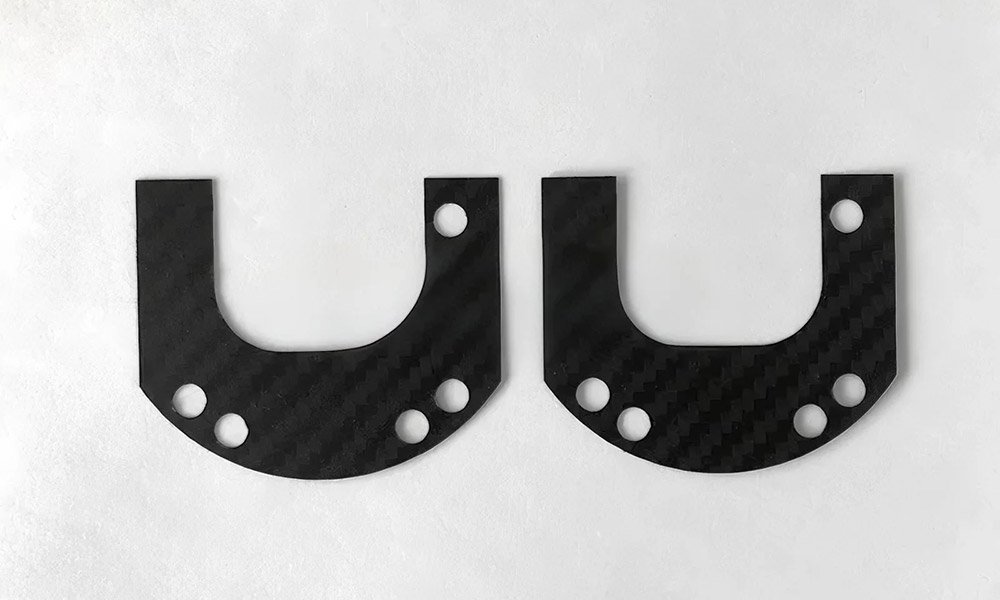
Chopped carbon fibre reinforced plastic is a composite material made from short carbon fibres embedded in a polymer matrix. Unlike traditional continuous fibre composites, chopped fibres are cut to a specific length, making them easier to handle and process. This characteristic opens up a world of possibilities for manufacturers, especially in industries where traditional composites are difficult to implement.
The Composition and Properties
The key to understanding the benefits of chopped carbon fibre reinforced plastic lies in its composition. Carbon fibres are known for their exceptional strength-to-weight ratio, high stiffness, and low thermal expansion. When combined with a polymer matrix, such as epoxy or polyester, these properties are enhanced, resulting in a material that is both lightweight and incredibly strong.
But what makes chopped carbon fibre reinforced plastic stand out? The answer lies in its processing flexibility. Unlike continuous fibre composites, which require complex weaving and layering processes, chopped fibres can be easily mixed with the polymer matrix and poured into molds. This simplifies the manufacturing process, reduces production costs, and allows for the creation of complex shapes that would be impossible with traditional materials.
Benefits of Chopped Carbon Fibre Reinforced Plastic
Enhanced Strength and Durability
One of the primary benefits of chopped carbon fibre reinforced plastic is its enhanced strength and durability. Carbon fibres are renowned for their high tensile strength, and when embedded in a polymer matrix, this strength is transferred to the composite material. This makes chopped carbon fibre reinforced plastic ideal for applications where high strength and durability are essential, such as in the automotive, aerospace, and wind energy industries.
For example, in the automotive industry, chopped carbon fibre reinforced plastic can be used to create lightweight body panels that are both strong and corrosion-resistant. This not only improves fuel efficiency but also enhances the overall performance of the vehicle. Similarly, in the aerospace industry, this material can be used to manufacture aircraft components that are lighter and stronger than traditional materials, leading to reduced fuel consumption and increased payload capacity.
Lightweight and High Stiffness
Another significant advantage of chopped carbon fibre reinforced plastic is its lightweight and high stiffness properties. The low density of carbon fibres means that composite materials made from them are significantly lighter than traditional materials like steel or aluminum. This weight reduction can lead to substantial savings in fuel costs, particularly in industries where weight is a critical factor.
Additionally, the high stiffness of chopped carbon fibre reinforced plastic ensures that components made from this material maintain their shape and integrity under stress. This is particularly important in applications where precision and stability are crucial, such as in the manufacture of medical devices or high-performance sporting equipment.
Corrosion Resistance and Environmental Benefits
Chopped carbon fibre reinforced plastic also offers excellent corrosion resistance, making it a durable choice for applications in harsh environments. Unlike traditional materials that can rust or degrade over time, composite materials made from carbon fibres are highly resistant to corrosion, chemicals, and UV radiation. This makes them ideal for use in marine applications, infrastructure projects, and other environments where exposure to harsh conditions is a concern.
Furthermore, the use of chopped carbon fibre reinforced plastic can contribute to environmental sustainability. Carbon fibres are recyclable, and composite materials made from them have a longer lifespan than traditional materials. This means that products made from chopped carbon fibre reinforced plastic can be used for longer periods, reducing the need for frequent replacements and minimizing waste.
Challenges and Considerations
Despite its numerous benefits, there are challenges and considerations that manufacturers must take into account when using chopped carbon fibre reinforced plastic. One of the main challenges is the cost of carbon fibres, which can be higher than traditional materials. However, advancements in manufacturing processes and the increasing demand for composite materials are helping to drive down costs, making them more accessible to a wider range of industries.
Another consideration is the processing of chopped carbon fibre reinforced plastic. While it is more flexible than continuous fibre composites, it still requires specialized equipment and expertise to ensure optimal performance. Manufacturers must invest in the right machinery and training to maximize the benefits of this material.
Sharing Insights and Best Practices
To help manufacturers navigate the challenges and maximize the benefits of chopped carbon fibre reinforced plastic, it is essential to share insights and best practices. One such insight is the importance of proper material selection. Different applications require different properties, so choosing the right carbon fibre and polymer matrix is crucial for achieving the desired performance.
Another best practice is to optimize the manufacturing process. This includes ensuring proper mixing of the fibres and polymer, controlling the curing process, and using high-quality模具 to achieve the desired shape and finish. By optimizing the manufacturing process, manufacturers can enhance the performance of chopped carbon fibre reinforced plastic and reduce production costs.
Conclusion
Chopped carbon fibre reinforced plastic is revolutionizing modern manufacturing by offering a material that is lightweight, strong, durable, and corrosion-resistant. While there are challenges to consider, the benefits of using this innovative material far outweigh the drawbacks. As industries continue to evolve, chopped carbon fibre reinforced plastic is poised to play a crucial role in the development of next-generation products and applications. By understanding its properties, benefits, and best practices, manufacturers can harness the full potential of this material and stay ahead in the competitive manufacturing landscape.


 English
  German
  French
  Portuguese
  Japanese
  Russian
  Italian
  Spanish
  Arabic