
Однонаправленный препрег is a specialized composite material consisting of unidirectionally aligned fibers impregnated with a pre-measured amount of resin. Unlike woven prepregs, which have fibers oriented in multiple directions, unidirectional prepreg has fibers aligned in a single direction, making it ideal for applications that require maximum strength and stiffness in a specific axis. For professionals in composite manufacturing, understanding its properties, proper handling techniques, and application guidelines is crucial to achieving optimal performance in end products.

One of the key properties of unidirectional prepreg is its exceptional directional strength and stiffness. By aligning the fibers in a single direction, the material can efficiently transfer loads along that axis, providing significantly higher tensile strength and stiffness than woven prepregs in the fiber direction. This makes it ideal for applications that experience primary loads in one direction, where structural integrity along that axis is critical. Additionally, unidirectional prepreg has a high fiber volume fraction, which contributes to its superior mechanical properties, as the fibers are the primary load-bearing component.
Another important property is its consistent resin content. The prepreg is manufactured with a precise amount of resin, ensuring uniform impregnation and reducing the risk of voids in the final composite. This consistency leads to predictable and reliable performance, which is critical for high-performance applications where material properties must be consistent across all components. Однонаправленный препрег also has a long shelf life when stored properly, typically requiring refrigeration to slow down the resin’s curing process, allowing for extended storage and flexible production scheduling.
Proper handling of unidirectional prepreg is essential to maintain its properties and ensure successful composite fabrication. First, storage conditions are critical. Однонаправленный препрег should be stored in a refrigerator or freezer at temperatures between -18°C and 0°C (-0.4°F and 32°F) to prevent premature curing of the resin. Before use, the prepreg must be thawed to room temperature gradually, typically over a period of several hours, to avoid moisture condensation on the material, which can cause voids in the composite.
When handling the prepreg, it is important to avoid stretching or damaging the fibers, as this can reduce the material’s strength. The prepreg should be cut using sharp tools to ensure clean edges without fraying, which can compromise the integrity of the composite. Additionally, it is recommended to work in a clean, controlled environment to prevent contamination, which can compromise the bond between the fibers and resin, leading to reduced performance.
Application guidelines for unidirectional prepreg focus on proper layup, consolidation, and curing. During layup, the prepreg plies should be aligned according to the application’s load requirements. Multiple plies can be stacked with different fiber orientations to achieve strength in multiple directions if needed. Consolidation is a critical step, typically performed using vacuum bagging, to remove air and excess resin from the layup. This ensures full fiber impregnation and minimizes voids, which can weaken the composite.
Curing of unidirectional prepreg is done at a specific temperature and pressure, depending on the resin system. Most prepregs require an autoclave to apply the necessary pressure and temperature for proper curing, although some out-of-autoclave (OOA) prepregs are available for applications where autoclave use is not feasible. The curing process must be closely monitored to ensure the resin fully cures, as under-curing or over-curing can significantly reduce the composite’s properties.
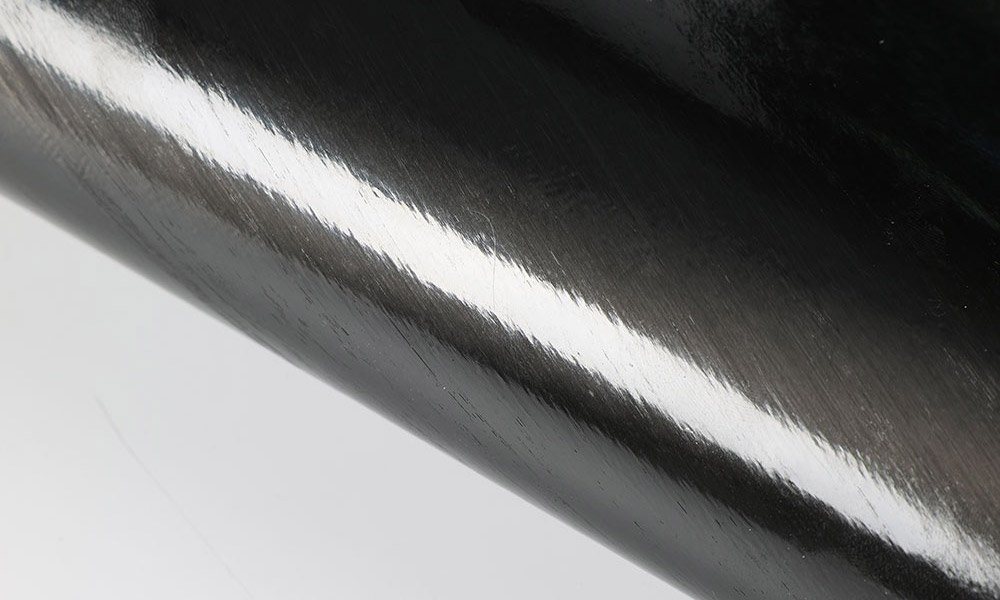
Common applications of unidirectional prepreg include aerospace components such as wing spars, fuselage stringers, and tail sections; automotive components like chassis rails and suspension parts; wind turbine blades; and high-performance sports equipment. By following proper handling and application guidelines, unidirectional prepreg can be used to create high-strength, lightweight composites that meet the demanding requirements of these applications.
One of the key properties of unidirectional prepreg is its exceptional directional strength and stiffness. By aligning the fibers in a single direction, the material can efficiently transfer loads along that axis, providing significantly higher tensile strength and stiffness than woven prepregs in the fiber direction. This makes it ideal for applications that experience primary loads in one direction, such as aerospace structures, automotive chassis, and wind turbine blades. Additionally, unidirectional prepreg has a high fiber volume fraction, which contributes to its superior mechanical properties, as the fibers are the primary load-bearing component.
Another important property is its consistent resin content. The prepreg is manufactured with a precise amount of resin, ensuring uniform impregnation and reducing the risk of voids in the final composite. This consistency leads to predictable and reliable performance, which is critical for high-performance applications. Unidirectional prepreg also has a long shelf life when stored properly, typically requiring refrigeration to slow down the resin’s curing process.
Proper handling of unidirectional prepreg is essential to maintain its properties and ensure successful composite fabrication. First, storage conditions are critical. Unidirectional prepreg should be stored in a refrigerator or freezer at temperatures between -18°C and 0°C (-0.4°F and 32°F) to prevent premature curing of the resin. Before use, the prepreg must be thawed to room temperature gradually, typically over a period of several hours, to avoid moisture condensation on the material, which can cause voids in the composite.
When handling the prepreg, it is important to avoid stretching or damaging the fibers, as this can reduce the material’s strength. The prepreg should be cut using sharp tools to ensure clean edges without fraying. Additionally, it is recommended to work in a clean, controlled environment to prevent contamination, which can compromise the bond between the fibers and resin.
Application guidelines for unidirectional prepreg focus on proper layup, consolidation, and curing. During layup, the prepreg plies should be aligned according to the application’s load requirements. Multiple plies can be stacked with different fiber orientations to achieve strength in multiple directions if needed. Consolidation is a critical step, typically performed using vacuum bagging, to remove air and excess resin from the layup. This ensures full fiber impregnation and minimizes voids.
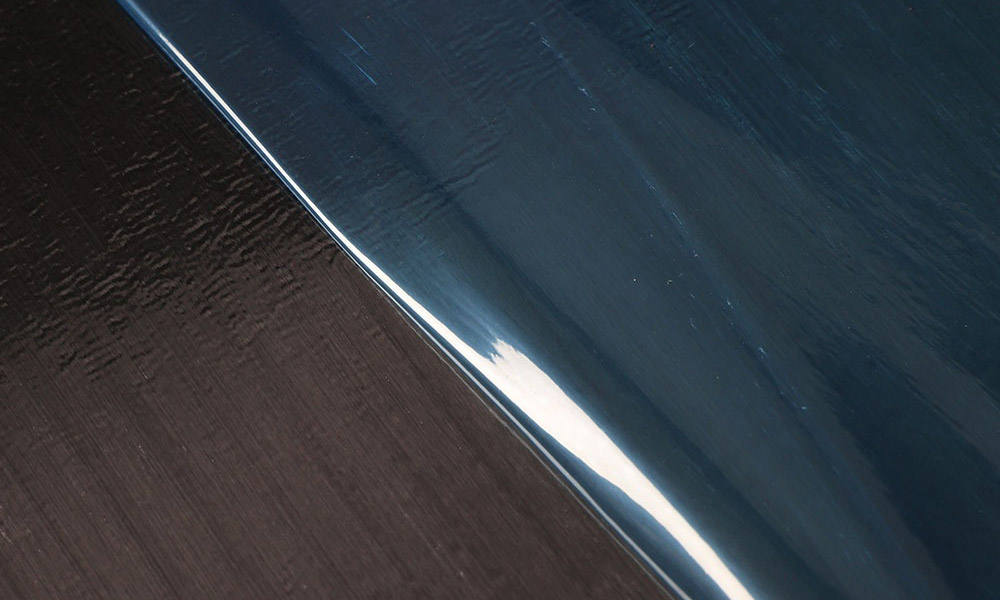
Curing of unidirectional prepreg is done at a specific temperature and pressure, depending on the resin system. Most prepregs require an autoclave to apply the necessary pressure and temperature for proper curing, although some out-of-autoclave (OOA) prepregs are available for applications where autoclave use is not feasible. The curing process must be closely monitored to ensure the resin fully cures, as under-curing or over-curing can significantly reduce the composite’s properties.
Common applications of unidirectional prepreg include aerospace components such as wing spars, fuselage stringers, and tail sections; automotive components like chassis rails and suspension parts; wind turbine blades; and high-performance sports equipment such as bicycle frames and golf club shafts. By following proper handling and application guidelines, unidirectional prepreg can be used to create high-strength, lightweight composites that meet the demanding requirements of these applications.







 Russian
  English
  German
  French
  Portuguese
  Japanese
  Italian
  Spanish
  Arabic