1、 The main function of carbon fiber cloth
1. Enhance the structural load-bearing capacity
Carbon fiber cloth has extremely high tensile strength (about 5-10 times that of ordinary steel), and when pasted on the surface of concrete, steel structures and other components, it can significantly improve its bending, shear and tensile bearing capacity.
2. Enhance seismic performance
The flexibility and high ductility of carbon fiber cloth can effectively absorb seismic energy, reduce structural vibration, and enhance the seismic resistance of buildings.
3. Repair structural damage
For components that have cracked, deformed, or experienced a decrease in load-bearing capacity, carbon fiber cloth can be reinforced through adhesive bonding to restore their integrity and functionality.
4. Extend the service life of the structure
Carbon fiber cloth is corrosion-resistant and anti-aging, which can protect components from chemical corrosion and environmental erosion, and extend the service life of buildings.
5. Convenient construction and reduced space occupation
Carbon fiber cloth is lightweight, soft, and does not require large equipment during construction. It has minimal impact on building space and is suitable for complex shaped components.

2、 The main uses of carbon fiber cloth
1. Building structure reinforcement
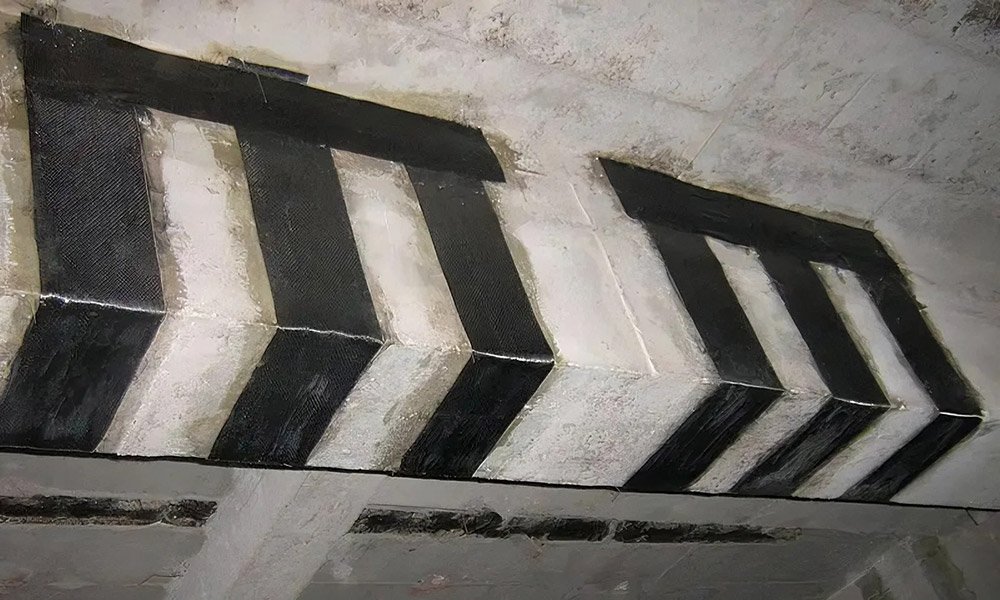
Beam reinforcement:
Paste on the bottom or side of the beam to enhance its bending and shear resistance.
Column reinforcement:
Surrounding and pasting on the surface of the column to enhance compressive and seismic performance.
Floor reinforcement:
Paste at the bottom of the floor slab to improve bending resistance and stiffness.
Wall reinforcement:
Paste on the surface of the wall to enhance its shear and seismic resistance.
Node reinforcement:
Used for key parts such as beam column nodes and plate column connections to enhance node bearing capacity.
2. Bridge reinforcement
Bridge deck reinforcement:
Paste it at the bottom of the bridge deck to enhance its bending and crack resistance performance.
Bridge pier reinforcement:
Surrounding and pasting on the surface of the bridge pier to enhance seismic and impact resistance.
Bridge expansion joint reinforcement:
Used for reinforcing the surrounding components of expansion joints and extending their service life.
3. Reinforcement of industrial buildings
Factory reinforcement:
Used for reinforcing components such as factory beams, columns, and roof trusses to meet the needs of equipment updates or increased loads.
Chimney and water tower reinforcement:
Paste on the surface of chimneys or water towers to enhance seismic and wind resistance.
4. Protection of Historical Buildings
Reinforcement of ancient buildings:
Used for reinforcing the walls, beams, and columns of ancient buildings, maintaining their original appearance while enhancing structural safety.
5. Applications in other fields
Аэрокосмическая промышленность:
Used for lightweight reinforcement of aircraft fuselage, wings and other components.
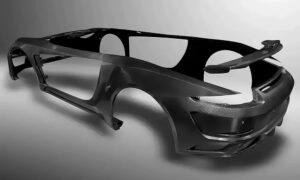
Automobile manufacturing:
Used for reinforcing car bodies and chassis, improving safety and fuel economy.
Shipbuilding:
Used for hull reinforcement, enhancing corrosion resistance and impact resistance.
3、 Construction process of carbon fiber cloth
1. Grassroots treatment
Clean the surface of the components, remove floating dust and oil stains, and ensure smoothness and dryness.
2. Apply primer
Apply primer on the surface of the component to enhance the adhesion between the carbon fiber cloth and the component.
3. Paste carbon fiber cloth
Stick the carbon fiber cloth on the surface of the component and compact it with a roller to ensure no bubbles.
4. Apply surface adhesive
Apply adhesive on the surface of carbon fiber cloth to protect it and enhance its durability.
5. Curing and maintenance
After the adhesive solidifies, conduct quality testing to ensure the reinforcement effect.

4、 The advantages of carbon fiber cloth
1. Lightweight and high-strength
The density is only 1/4 of steel, but the strength is higher, suitable for space constrained scenarios.
2. Corrosion resistance
Not corroded by chemicals such as acid, alkali, salt, etc., suitable for corrosive environments.
3. Convenient construction
No need for large equipment, short construction period, and minimal impact on production and daily life.
4. Wide applicability
Can be used for various materials such as concrete, steel structures, wood structures, etc.
5. Good aesthetics
Carbon fiber cloth is lightweight and does not affect the appearance of the building after reinforcement.
5、 Precautions
1. Material selection
Choose carbon fiber cloth and matching adhesive that meet national standards to ensure quality.
2. Construction specifications
Strictly follow the construction specifications to avoid affecting the reinforcement effect due to improper construction.
3. Environmental control
The construction temperature should be between 5 ℃ and 35 ℃, avoiding high temperature, high humidity or low temperature environments.
4. Regular maintenance
Regularly inspect the condition of the carbon fiber cloth after reinforcement, and promptly repair any problems found.
6、 Application Cases
1. Reinforcement of office building beams
Background: The beams of a certain office building have insufficient bearing capacity due to increased load.
Method: Paste carbon fiber cloth at the bottom of the beam.
Effect: Improve bending capacity and meet new load requirements.
2. Bridge pier reinforcement
Background: A bridge pier was damaged due to an earthquake.
Method: Wrap the bridge pier with carbon fiber cloth.
Effect: Enhance seismic performance and restore functionality.
3. Reinforcement of ancient building walls
Background: The wall of an ancient building is cracked.
Method: Paste carbon fiber cloth on the surface of the wall.
Effect: Restore the integrity of the wall and maintain its original appearance.
Carbon fiber cloth is widely used in building structure reinforcement, bridge reinforcement, industrial building reinforcement, and historical building protection due to its advantages of lightweight, high strength, corrosion resistance, and convenient construction. Its functions include improving bearing capacity, enhancing seismic performance, repairing structural damage, etc. Strictly follow the specifications during construction to ensure the reinforcement effect. In the future, with technological advancements, the application scope of carbon fiber cloth will further expand.