
Graphene, carbon crystal, and carbon fiber heating technologies share core thermal properties but differ significantly in structure and ideal use cases.
Graphene stands out as a single-atom-thick material known for its exceptional strength and electrical conductivity. These qualities allow it to distribute heat rapidly and uniformly, making it perfect for applications requiring lightweight and flexible heating solutions—such as smart clothing and wearable devices.
In contrast, carbon crystal consists of a three-dimensional carbon structure that offers high transparency and energy efficiency. This material is both durable and heat-resistant, suited for high-performance heating systems where low energy consumption and long-term reliability are key—like energy-saving residential floor heating or industrial warming panels.
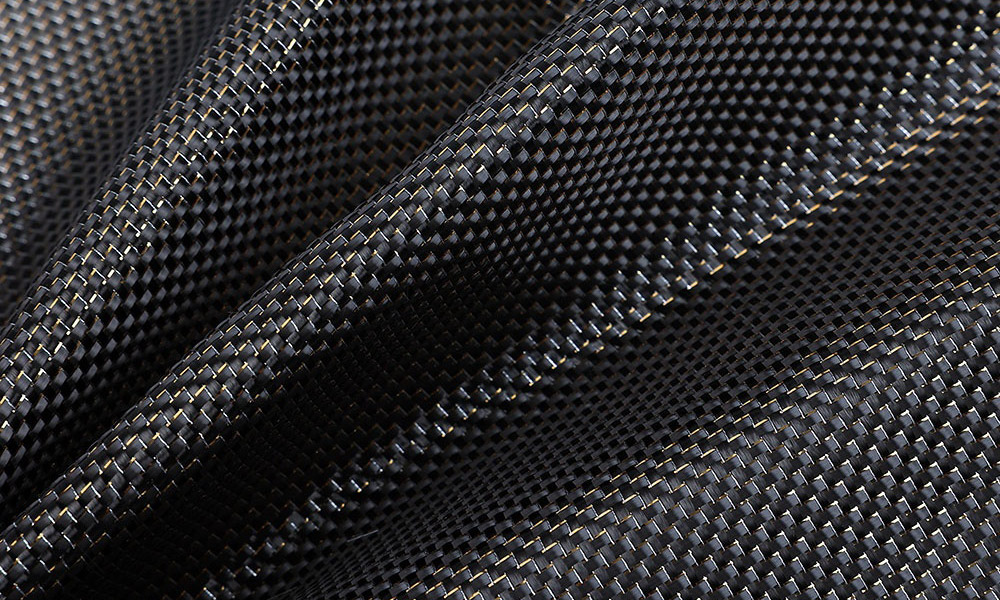
Carbon fiber heating products are constructed from tightly woven fibers, creating a fabric-like heating element. They combine rapid thermal response with notable durability and resistance to high temperatures. Commonly integrated into portable heaters, automotive seat warmers, and outdoor heating gear, they provide efficient warmth in a robust and lightweight form.
While all three carbon-based materials deliver effective heating, their differences in physical form, structural complexity, and functional strengths make each one uniquely suited to specific applications. Choosing the right type depends on factors such as flexibility, energy efficiency, durability, and intended use.






 Russian
  English
  German
  French
  Portuguese
  Japanese
  Italian
  Spanish
  Arabic