
Carbon-fiberglass hybrid fabric is a widely utilized composite material that combines the high strength and stiffness of carbon fiber with the cost-effectiveness and versatility of fiberglass. This hybrid approach creates a material that offers an optimal balance of performance and affordability, making it a popular choice across industries ranging from automotive to construction. For professionals involved in material selection and product development, understanding the key features and application scenarios of carbon-fiberglass hybrid fabric is essential to making informed decisions that align with project goals and budget constraints.
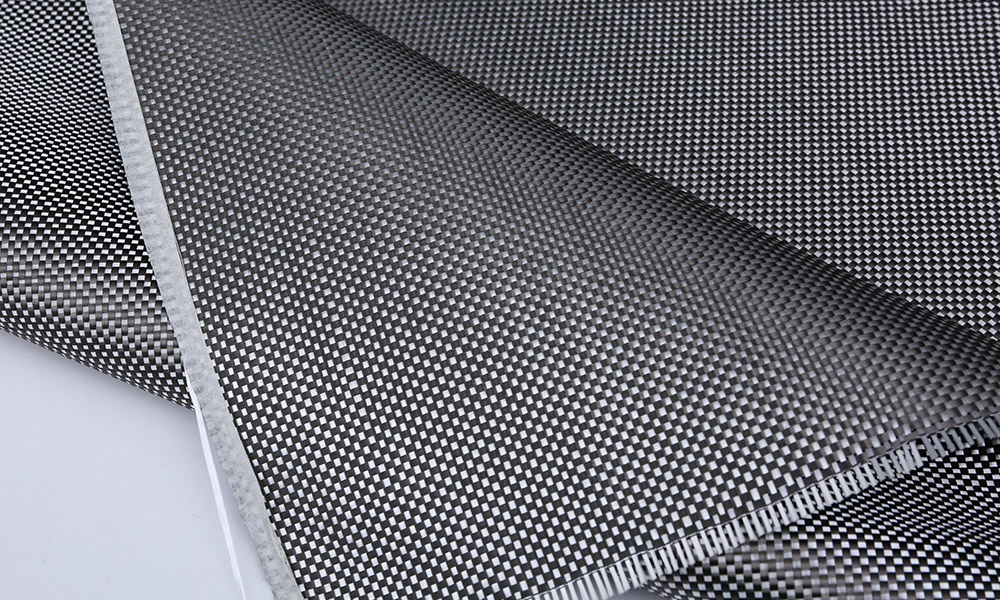
A primary feature of carbon-fiberglass hybrid fabric is its optimized strength-to-cost ratio. Carbon fiber is known for its exceptional tensile strength and stiffness but comes with a higher price point, while fiberglass is more economical and offers reliable durability and corrosion resistance. By combining these two materials, the hybrid fabric delivers higher strength and stiffness than pure fiberglass fabric at a lower cost than pure carbon fiber fabric. This balance makes it an ideal choice for applications where performance is important but budget limitations exist, allowing industries to access advanced material benefits without excessive expenditure.
Lightweight performance is another key attribute of carbon-fiberglass hybrid fabric. Both carbon and fiberglass fibers are inherently lightweight, and the hybrid fabric retains this characteristic, making it suitable for applications where reducing weight is a priority. This weight reduction directly contributes to improved efficiency, whether in terms of fuel economy in automotive applications or operational efficiency in aerospace and marine settings. Additionally, the hybrid fabric inherits good corrosion resistance from fiberglass, which is highly resistant to moisture, chemicals, and UV radiation. This resistance ensures long-term performance in harsh environments, reducing maintenance costs and extending the service life of components.
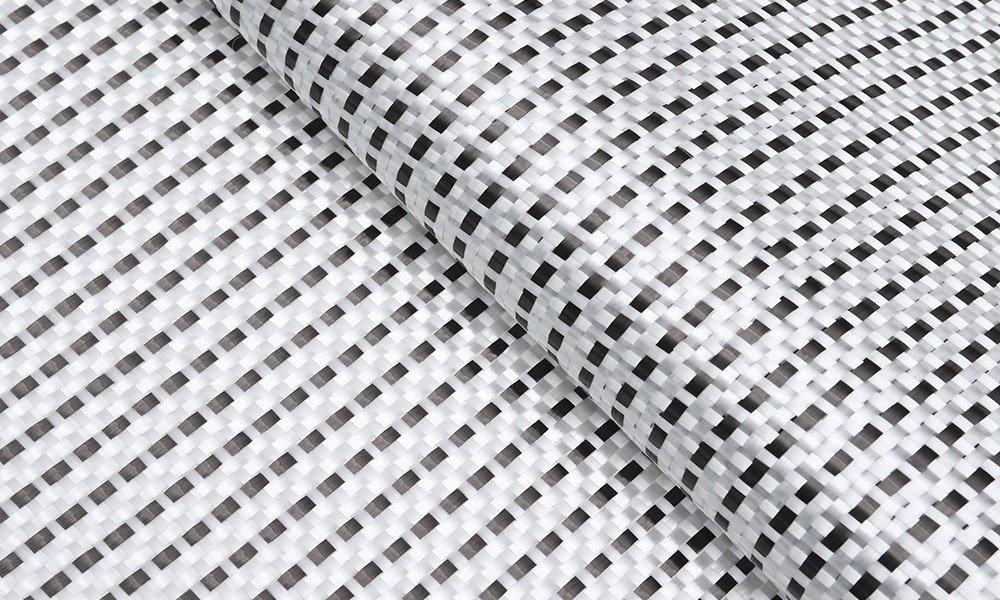
Versatility is another notable feature of carbon-fiberglass hybrid fabric. It can be manufactured in various weave patterns and fiber ratios, allowing for customization to meet specific application requirements. For instance, a higher carbon fiber content can be used for applications requiring maximum stiffness, while a higher fiberglass content is suitable for cost-sensitive projects that still demand good strength. This flexibility makes the fabric adaptable to a wide range of use cases, from high-performance components to more standard structural applications.
The application scenarios for carbon-fiberglass hybrid fabric are diverse and span multiple industries. In the automotive industry, it is used for body panels, hoods, spoilers, and chassis components, where its lightweight strength improves fuel efficiency and handling. The aerospace industry utilizes it for interior components, secondary structures, and insulation, leveraging its balance of performance and cost. In the sports and recreation sector, it is employed in equipment such as bicycles, kayaks, canoes, and golf clubs, where it provides a good combination of strength and affordability.
In construction, it is used for reinforcing concrete structures, such as bridges, buildings, and tunnels, as it improves structural integrity and extends lifespan. The marine industry uses it for boat hulls, decks, and interior components, benefiting from its corrosion resistance and lightweight properties. Additionally, it finds applications in the industrial sector for tanks, pipes, and chemical processing equipment. When working with carbon-fiberglass hybrid fabric, it is important to consider factors such as fiber ratio, weave pattern, and resin compatibility to ensure optimal performance. With its balance of strength, cost-effectiveness, and versatility, carbon-fiberglass hybrid fabric remains a reliable material solution for many industrial and consumer applications.
One of the primary features of carbon-fiberglass hybrid fabric is its optimized strength-to-cost ratio. Carbon fiber is known for its exceptional tensile strength and stiffness but comes at a higher cost, while fiberglass is more economical and offers good durability and corrosion resistance. By combining the two, the hybrid fabric provides higher strength and stiffness than pure fiberglass fabric at a lower cost than pure carbon fiber fabric. This makes it an ideal choice for applications where performance is important but budget constraints exist.
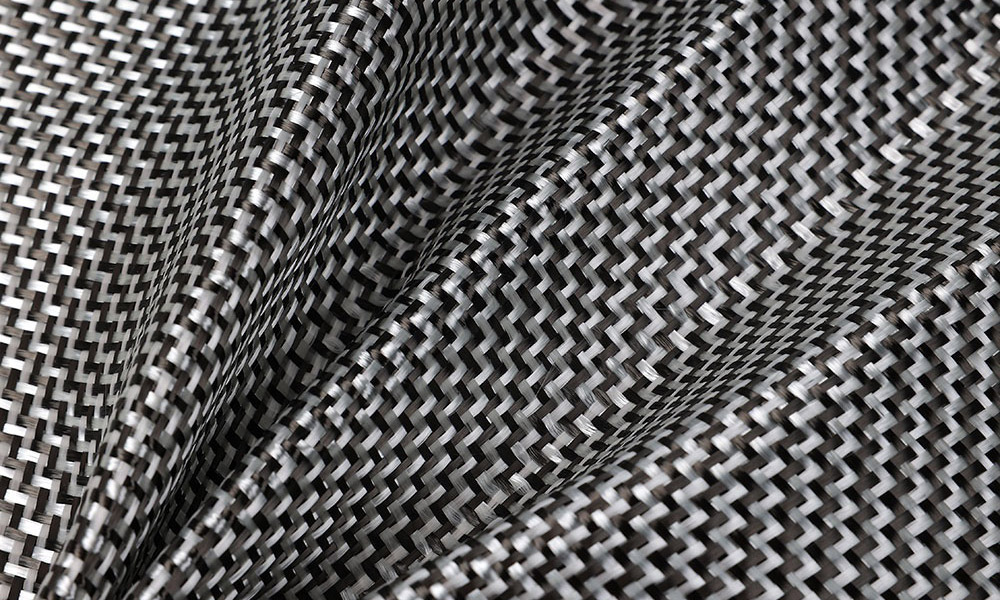
Another key feature is its lightweight performance. Both carbon and fiberglass fibers are lightweight, and the hybrid fabric retains this characteristic, making it suitable for applications where reducing weight is a priority. Additionally, the hybrid fabric exhibits good corrosion resistance, inheriting this property from fiberglass, which is highly resistant to moisture, chemicals, and UV radiation. It also offers good fatigue resistance, able to withstand repeated stress without degrading, which is essential for components that undergo frequent loading.
The hybrid fabric’s versatility is another notable feature. It can be manufactured in various weave patterns and fiber ratios, allowing for customization to meet specific application requirements. For example, a higher carbon fiber content can be used for applications requiring maximum stiffness, while a higher fiberglass content can be utilized for cost-sensitive projects that still need good strength. This flexibility makes carbon-fiberglass hybrid fabric suitable for a wide range of uses.
The application scenarios for carbon-fiberglass hybrid fabric are diverse. In the automotive industry, it is used for body panels, hoods, spoilers, and chassis components, where its lightweight strength improves fuel efficiency and handling. The aerospace industry utilizes it for interior components, secondary structures, and insulation, leveraging its balance of performance and cost. In the sports and recreation industry, it is used in equipment like bicycles, kayaks, canoes, and golf clubs, where it provides a good combination of strength and affordability.
In construction, carbon-fiberglass hybrid fabric is used for reinforcing concrete structures, such as bridges, buildings, and tunnels, as it improves structural integrity and extends lifespan. It is also used in the marine industry for boat hulls, decks, and interior components, benefiting from its corrosion resistance and lightweight properties. Additionally, it finds applications in the industrial sector for tanks, pipes, and chemical processing equipment. When working with carbon-fiberglass hybrid fabric, it is important to consider the fiber ratio, weave pattern, and resin compatibility to ensure optimal performance. With its balance of strength, cost-effectiveness, and versatility, carbon-fiberglass hybrid fabric is a reliable material solution for many industrial and consumer applications.







 Russian
  English
  German
  French
  Portuguese
  Japanese
  Italian
  Spanish
  Arabic