
Understanding Thermoplastic Carbon Fiber
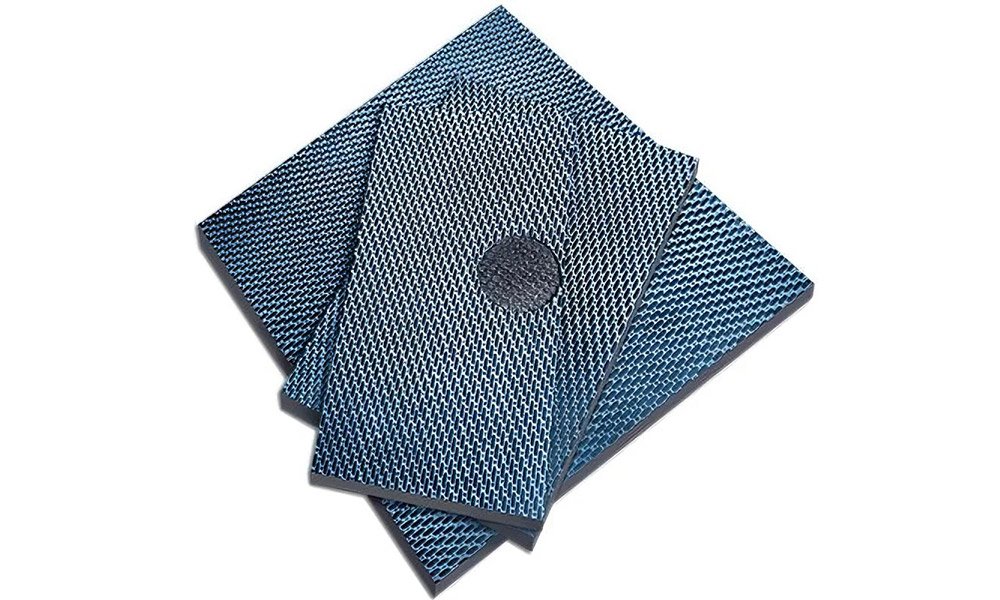
Thermoplastic carbon fiber is a composite material made by combining carbon fibers with thermoplastic resin. Thermoplastics can be melted and re-molded multiple times, unlike thermoset resins. This gives the material unique advantages in manufacturing and recycling.

Core Properties
Moldability is a key property. The material can be heated, shaped and cooled into various forms. This allows for complex shapes and designs that are difficult with thermoset composites.
High strength-to-weight ratio is maintained from the carbon fibers. The material is strong and rigid while remaining light. This makes it suitable for structural applications.
Recyclability is a major advantage. Unlike thermoset composites, thermoplastic carbon fiber can be melted and reused. This reduces waste and supports sustainable manufacturing practices.
Applications
The automotive industry uses it for interior components, body panels and structural parts. Its moldability allows for mass production of complex parts at lower costs.
In the electronics industry, it is used for device enclosures and heat sinks. It dissipates heat effectively and can be molded into compact shapes for small devices.
The consumer goods sector uses it for sports equipment, luggage and furniture. Its strength and light weight improve product performance and usability.
Usage Factors
Understand the melting temperature. Different thermoplastics have different melting points. Ensure the processing temperature matches the material’s requirements.
Consider the fiber content. Higher fiber content increases strength but may reduce moldability. Balance strength needs with manufacturing requirements.
Evaluate the recycling potential. If sustainability is a priority, choose thermoplastic resins that are easy to recycle. This helps reduce environmental impact.
Interested in our Carbon Fibre? Reach out anytime via WhatsApp: 8618921275456 ou email: sales@sino-grate.com. We eagerly await your contact!








 Portuguese
  English
  German
  French
  Japanese
  Russian
  Italian
  Spanish
  Arabic