
MRI-Compatible Carbon Fiber Wheelchair Frame: The Future of Mobility and Medical Imaging Compatibility
The world of medical technology is constantly evolving, and one of the most significant advancements in recent years is the development of MRI-compatible carbon fiber wheelchair frames. These innovative designs are revolutionizing mobility for patients who require medical imaging while maintaining accessibility and comfort. But what exactly makes these wheelchairs unique, and how do they address the challenges faced by individuals who need frequent MRI scans?
What Are MRI-Compatible Wheelchairs?

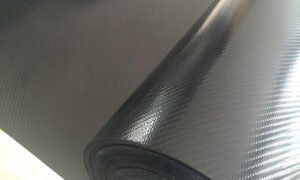
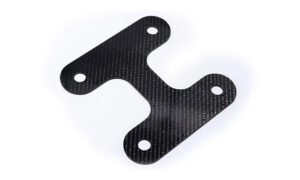
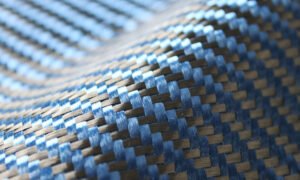
Traditional wheelchairs are often made from materials like metal, which can interfere with MRI machines, causing distortions in imaging and potential safety hazards. MRI-compatible carbon fiber wheelchairs are engineered to eliminate these issues, allowing patients to undergo magnetic resonance imaging (MRI) without complications. The primary challenge is that carbon fiber, a lightweight and durable material, does not disrupt the MRI process, making it ideal for this application.
These wheelchairs are designed with precision, ensuring that every component, from the frame to the wheels, is completely non-magnetic. This means patients can now enjoy the benefits of advanced medical imaging without sacrificing their mobility or comfort.
Why Are MRI-Compatible Wheelchairs Important?
For patients with conditions that require frequent MRI scans, such as multiple sclerosis, epilepsy, or brain tumors, traditional wheelchairs can be a significant barrier. The process of transferring to a standard wheelchair for an MRI can be uncomfortable and even dangerous, especially for those with limited mobility.
MRI-compatible carbon fiber wheelchairs address this issue by providing a seamless solution. These wheelchairs are lightweight, ergonomic, and easy to transfer, ensuring that patients can undergo imaging procedures with minimal stress. Additionally, the carbon fiber frame offers superior strength and durability, making it a reliable choice for long-term use.
Key Features of MRI-Compatible Carbon Fiber Wheelchairs
- Non-Magnetic Materials: The frame, wheels, and all components are made from carbon fiber, ensuring no interference with MRI machines.
- Lightweight Design: These wheelchairs are significantly lighter than traditional models, making them easier to handle for both patients and caregivers.
- Ergonomic Comfort: Built with patient comfort in mind, these wheelchairs feature adjustable seating, lumbar support, and padded armrests.
- Easy to Transfer: The design allows for safe and effortless transfer from the wheelchair to the MRI table, reducing the risk of falls or injuries.
Potenciais desafios e soluções
Despite the numerous benefits, MRI-compatible carbon fiber wheelchairs still face some challenges. One of the primary concerns is cost, as these specialized wheelchairs are generally more expensive than standard models. However, as technology advances and production scales up, prices are expected to become more competitive.
Another challenge is ensuring that healthcare facilities are equipped to handle these wheelchairs properly. Medical professionals need training on how to safely transport and position patients in MRI-compatible wheelchairs to avoid any interference with the imaging process.
Sharing the Future of Mobility
The development of MRI-compatible carbon fiber wheelchairs is a testament to the intersection of innovation and medical necessity. By addressing the limitations of traditional wheelchairs, these advancements are improving the quality of life for patients who rely on frequent MRI scans.
Healthcare providers, manufacturers, and policymakers must continue to collaborate to make these technologies more accessible. As awareness grows, we can expect to see more hospitals and clinics adopting MRI-compatible wheelchairs, ensuring that patients receive the care they need without unnecessary barriers.
Conclusão
MRI-compatible carbon fiber wheelchairs represent a significant step forward in mobility and medical imaging compatibility. By combining cutting-edge materials with ergonomic design, these wheelchairs offer a practical solution for patients who require both mobility assistance and regular MRI scans. As technology continues to evolve, the future of accessibility looks brighter than ever.
If you are in the medical field or know someone who could benefit from this innovation, consider sharing this information to raise awareness and drive progress in patient care. The future of mobility is here, and it’s designed for compatibility and comfort.


 Portuguese
  English
  German
  French
  Japanese
  Russian
  Italian
  Spanish
  Arabic