
Explorar a resistência e a versatilidade do laminado compósito epóxi de fibra de carbono no fabrico moderno
Introdução
In modern manufacturing, the demand for materials that offer exceptional strength, lightweight properties, and versatility has never been higher. Among the materials that have emerged as leaders in this domain is the carbon fiber epoxy composite laminate. This innovative material has revolutionized various industries, including aerospace, automotive, and sports equipment. But what exactly makes carbon fiber epoxy composite laminates so powerful and adaptable? Let’s delve into the questions that surround this remarkable material.
What Makes Carbon Fiber Epoxy Composite Laminates Strong?
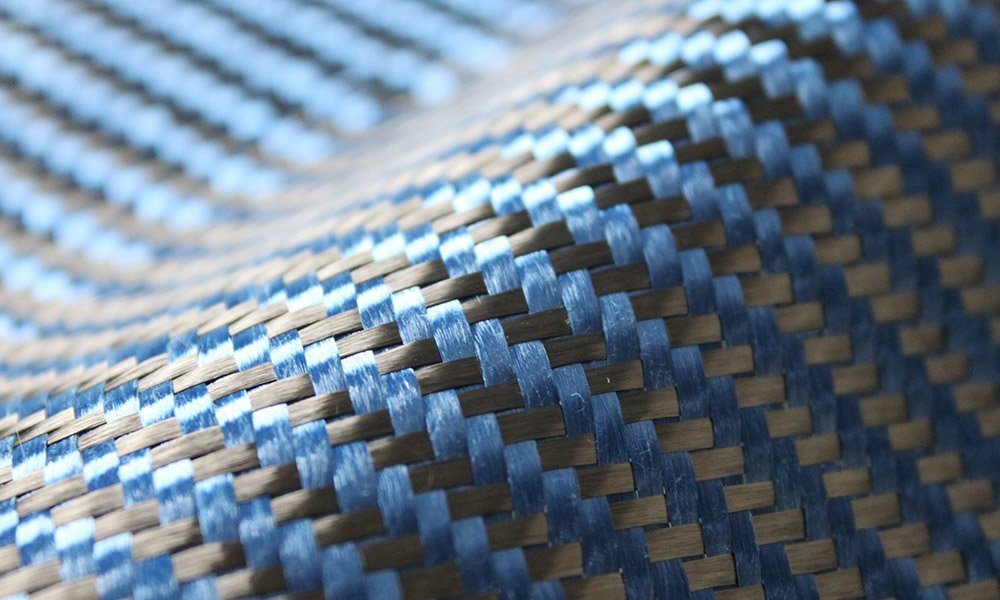
One of the primary reasons carbon fiber epoxy composite laminates are so widely used is their unparalleled strength-to-weight ratio. Unlike traditional materials such as steel, which are heavy and prone to fatigue, carbon fiber composites offer a high strength-to-weight ratio, making them ideal for applications where weight reduction is critical. But how does this strength translate into real-world applications?
Carbon fiber epoxy composites are composed of carbon fibers embedded in an epoxy matrix. The carbon fibers provide the structural integrity, while the epoxy matrix ensures that the fibers are bound together effectively. This combination results in a material that can withstand extreme stress and pressure without deforming. For example, in the aerospace industry, carbon fiber epoxy composites are used in the construction of aircraft fuselages and wings, where their strength and lightweight properties are essential for fuel efficiency and performance.
How Versatile Are Carbon Fiber Epoxy Composite Laminates?
Another key question is the versatility of carbon fiber epoxy composite laminates. These materials can be molded into various shapes and sizes, making them suitable for a wide range of applications. From automotive components to sporting goods, the versatility of carbon fiber composites is evident.
One of the most significant advantages of carbon fiber epoxy composites is their ability to be customized. Manufacturers can adjust the fiber orientation, layer thickness, and resin content to achieve specific properties. This flexibility allows engineers to design components that meet exacting performance requirements. For instance, in the automotive industry, carbon fiber epoxy composites are used in the production of high-performance sports cars, where their lightweight and strong properties enhance both speed and fuel efficiency.
What Are the Challenges of Using Carbon Fiber Epoxy Composite Laminates?
Despite their numerous benefits, carbon fiber epoxy composite laminates are not without challenges. One of the main issues is the cost of production. The raw materials and manufacturing processes involved in creating carbon fiber composites are more expensive compared to traditional materials. This cost factor can be a significant barrier for some industries.
Another challenge is the repair and maintenance of carbon fiber epoxy composite laminates. Unlike metal components, which can be easily welded or patched, repairing composite laminates requires specialized techniques and knowledge. This can make the maintenance process more complex and costly.
Partilha de conhecimentos e boas práticas
To maximize the benefits of carbon fiber epoxy composite laminates, manufacturers and engineers need to stay informed about best practices in their use. Sharing insights and knowledge can help overcome challenges and optimize performance. For example, researchers have developed advanced curing techniques that improve the strength and durability of carbon fiber composites. These techniques can be shared across industries to enhance the overall quality of composite materials.
Additionally, collaboration between different sectors can lead to innovative applications. For instance, the aerospace industry can share its expertise with the automotive sector, helping to develop more efficient and lightweight vehicles. By working together, industries can accelerate the adoption of carbon fiber epoxy composite laminates and unlock their full potential.
Conclusão
Carbon fiber epoxy composite laminates are a game-changer in modern manufacturing, offering exceptional strength, lightweight properties, and versatility. While challenges such as cost and repair complexity exist, the benefits of using these materials far outweigh the drawbacks. As technology advances and more industries embrace composite materials, we can expect to see even greater innovations and applications. By sharing insights and best practices, we can continue to push the boundaries of what carbon fiber epoxy composite laminates can achieve, shaping a more efficient and sustainable future.








 Portuguese
  English
  German
  French
  Japanese
  Russian
  Italian
  Spanish
  Arabic