
Pré-impregnado bidirecional is a composite material featuring fibers oriented in two primary directions, typically 0° and 90°, impregnated with a precise amount of resin. This configuration balances strength and stiffness across two axes, making it a versatile choice for applications that experience loads in multiple directions. Unlike unidirectional prepreg, which excels in a single direction, bidirectional prepreg offers more uniform performance in orthogonal directions. For professionals in composite manufacturing, gaining key insights into its performance and usage is essential to effectively integrating it into composite products.
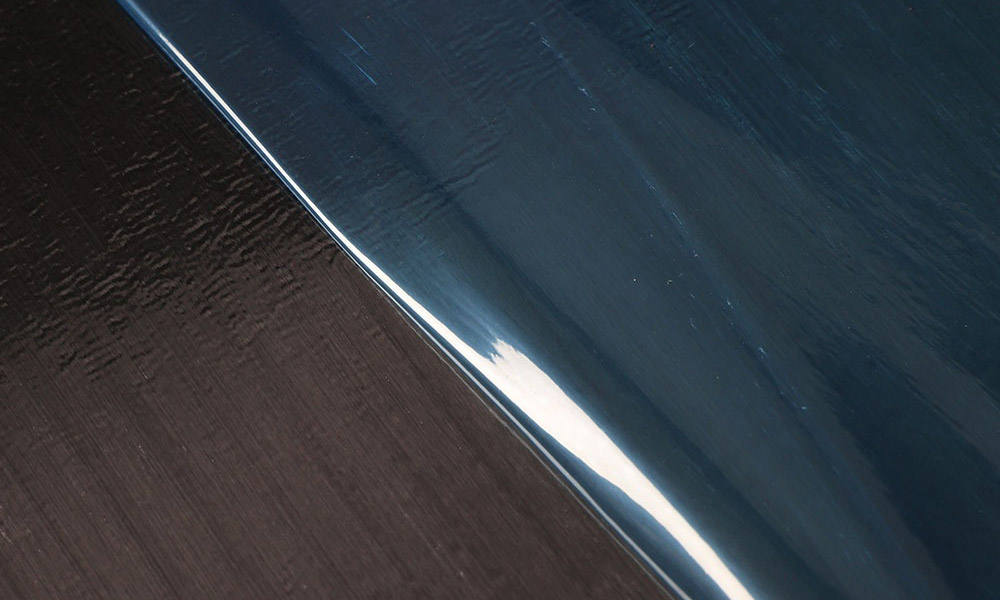
The performance of bidirectional prepreg is defined by its balanced mechanical properties. By orienting fibers at 0° and 90°, the material provides significant tensile strength and stiffness in both the longitudinal (0°) and transverse (90°) directions. This balance makes it suitable for applications where loads are not concentrated in a single axis, as it can effectively distribute stress across both directions. Additionally, bidirectional prepreg has a high fiber volume fraction, ensuring that the fibers effectively carry the load, and a consistent resin content, which leads to predictable and reliable performance. The resin matrix binds the fibers together, transferring loads between them and protecting them from environmental damage.
Another key performance attribute is its ease of layup compared to unidirectional prepreg. Since the fibers are already oriented in two directions, fewer plies are typically needed to achieve balanced strength, simplifying the manufacturing process and reducing production time. Pré-impregnado bidirecional also exhibits good fatigue resistance, able to withstand repeated loading and unloading without degrading, which is essential for long-term performance in structural applications. Additionally, it offers good corrosion resistance and dimensional stability, maintaining its properties in harsh environments, which expands its range of applicable industries.
Understanding the usage of bidirectional prepreg requires attention to layup, consolidation, and curing processes. During layup, the prepreg plies can be stacked to adjust the strength in specific directions. For example, additional plies can be added at 0° or 90° to enhance strength in areas experiencing higher loads. The plies should be aligned accurately to ensure the fibers are oriented as intended, as misalignment can reduce the composite’s performance significantly.
Consolidation is a critical step in using bidirectional prepreg, typically performed using vacuum bagging to remove air and excess resin from the layup. This step is essential to prevent voids, which can weaken the composite and compromise its mechanical properties. The amount of pressure applied during consolidation depends on the resin system and the desired fiber volume fraction, requiring careful control to achieve optimal results.

Curing of bidirectional prepreg is done at a specific temperature and time, as recommended by the manufacturer. Most prepregs require an autoclave to apply the necessary pressure and temperature for proper curing, although out-of-autoclave (OOA) options are available for larger or more complex components where autoclave use is impractical. Proper curing ensures that the resin fully polymerizes, creating a strong bond between the fibers and resin, which is essential for achieving the material’s full performance potential.
Common applications of bidirectional prepreg include aerospace structural panels, such as floor panels and interior bulkheads; automotive body panels, hoods, and spoilers; marine hulls, decks, and superstructures; and wind turbine nacelle components. It is also used in high-performance sports equipment, such as kayak hulls and surfboards, where balanced strength and lightweight properties are important. When selecting bidirectional prepreg, factors such as fiber type, resin system, and fiber weight should be considered based on the application’s requirements. Proper storage is also important; bidirectional prepreg should be stored in a refrigerated environment to prevent premature resin curing. By leveraging its balanced performance and ease of use, bid
The performance of bidirectional prepreg is defined by its balanced mechanical properties. By orienting fibers at 0° and 90°, the material provides significant tensile strength and stiffness in both the longitudinal (0°) and transverse (90°) directions. This balance makes it suitable for applications where loads are not concentrated in a single axis, such as structural panels, automotive body components, and marine hulls. Additionally, bidirectional prepreg has a high fiber volume fraction, ensuring that the fibers effectively carry the load, and a consistent resin content, which leads to predictable and reliable performance. The resin matrix binds the fibers together, transferring loads between them and protecting them from environmental damage.
Another key performance attribute is its ease of layup compared to unidirectional prepreg. Since the fibers are already oriented in two directions, fewer plies are typically needed to achieve balanced strength, simplifying the manufacturing process. Pré-impregnado bidirecional also exhibits good fatigue resistance, able to withstand repeated loading and unloading without degrading, which is essential for long-term performance in structural applications. Additionally, it offers good corrosion resistance and dimensional stability, maintaining its properties in harsh environments.
Understanding the usage of bidirectional prepreg requires attention to layup, consolidation, and curing processes. During layup, the prepreg plies can be stacked to adjust the strength in specific directions. For example, additional plies can be added at 0° or 90° to enhance strength in areas experiencing higher loads. The plies should be aligned accurately to ensure the fibers are oriented as intended, as misalignment can reduce the composite’s performance.
Consolidation is a critical step in using bidirectional prepreg, typically performed using vacuum bagging to remove air and excess resin from the layup. This step is essential to prevent voids, which can weaken the composite. The amount of pressure applied during consolidation depends on the resin system and the desired fiber volume fraction.
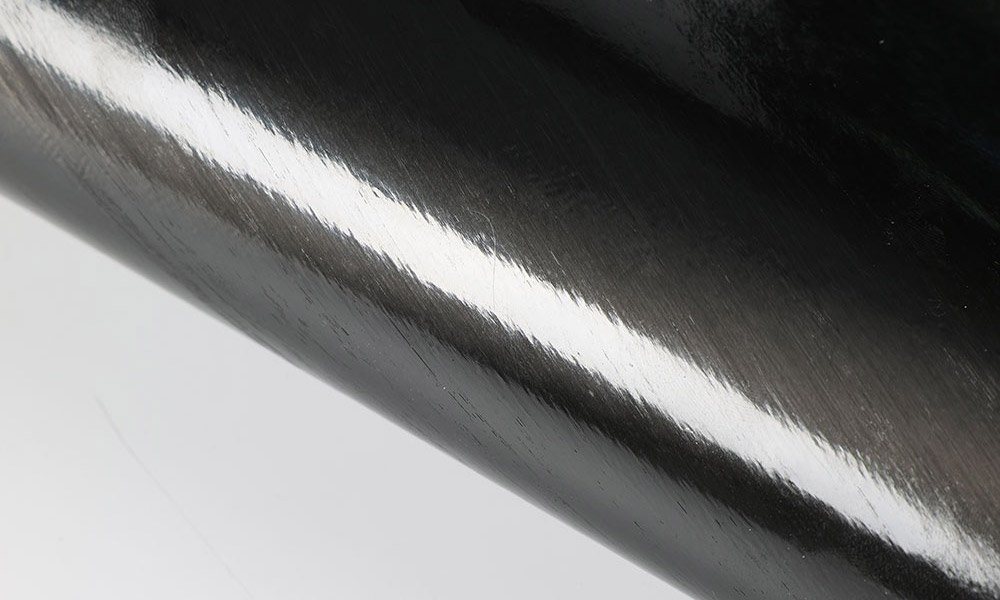
Curing of bidirectional prepreg is done at a specific temperature and time, as recommended by the manufacturer. Most prepregs require an autoclave to apply the necessary pressure and temperature for proper curing, although out-of-autoclave (OOA) options are available for larger or more complex components. Proper curing ensures that the resin fully polymerizes, creating a strong bond between the fibers and resin.
Common applications of bidirectional prepreg include aerospace structural panels, such as floor panels and interior bulkheads; automotive body panels, hoods, and spoilers; marine hulls, decks, and superstructures; and wind turbine nacelle components. It is also used in high-performance sports equipment, such as kayak hulls and surfboards, where balanced strength and lightweight properties are important.
When selecting bidirectional prepreg, factors such as fiber type (carbon, glass, aramid), resin system (epoxy, polyester), and fiber weight should be considered based on the application’s requirements. Proper storage is also important; bidirectional prepreg should be stored in a refrigerated environment to prevent premature resin curing. By leveraging its balanced performance and ease of use, bidirectional prepreg is a versatile material that meets the needs of a wide range of composite applications.







 Portuguese
  English
  German
  French
  Japanese
  Russian
  Italian
  Spanish
  Arabic