
Compreender o Coeficiente de Expansão Térmica da Fibra de Carbono: Um guia completo
Carbon fibre reinforced polymers (CFRP) are widely used in aerospace, automotive, and sports equipment due to their high strength-to-weight ratio and excellent thermal properties. One critical thermal property is the coefficient of thermal expansion (CTE), which determines how much a material expands or contracts when exposed to temperature changes. Understanding the CTE of carbon fibre is essential for designing reliable and efficient products. But what exactly is the CTE of carbon fibre, and why does it matter? Let’s explore this in detail.
What Is the Carbon Fibre Thermal Expansion Coefficient?
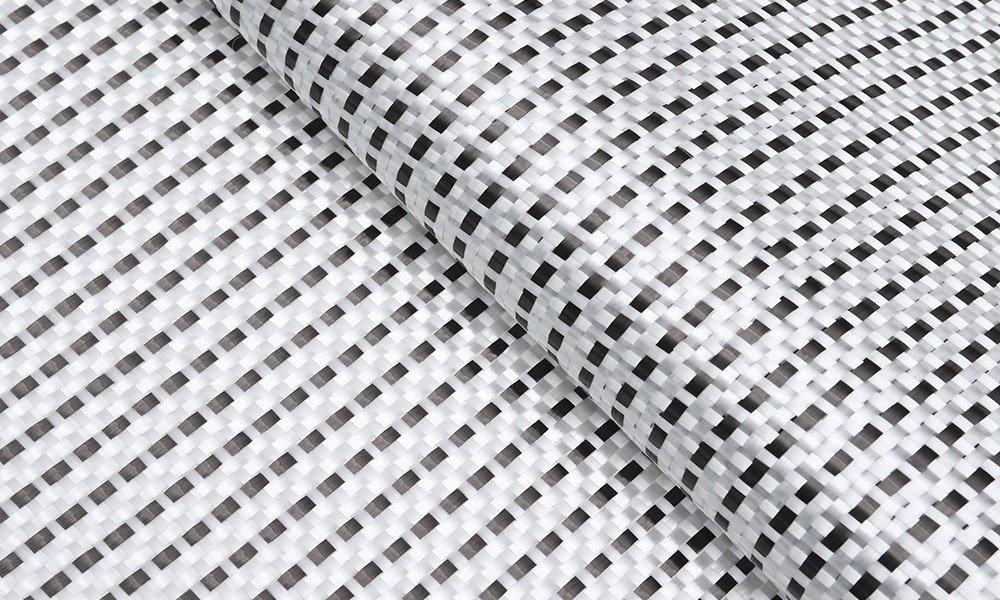
The coefficient of thermal expansion (CTE) measures the degree to which a material expands or contracts with temperature changes. For carbon fibre, the CTE is typically much lower than that of traditional materials like steel or aluminum. This low CTE makes carbon fibre ideal for applications where dimensional stability is crucial.
Common Questions About CTE
- How Does CTE Affect Carbon Fibre复合材料?
-
The low CTE of carbon fibre ensures that components made from this material maintain their shape and size even under varying temperatures. This is particularly important in high-performance applications where even minor dimensional changes can lead to performance issues.
-
What Is the Typical CTE Value for Carbon Fibre?
-
The CTE of carbon fibre is typically around 1-3 × 10^-6 per degree Celsius, depending on the orientation and type of carbon fibre used. This value is significantly lower than that of steel (around 12 × 10^-6 per degree Celsius) or aluminum (around 23 × 10^-6 per degree Celsius).
-
Why Is Low CTE Important in Aerospace?
- In aerospace applications, components are often subjected to extreme temperature variations. The low CTE of carbon fibre ensures that aircraft structures remain stable and perform reliably under these conditions.
Why Is Understanding CTE Crucial for Engineers?
Engineers designing with carbon fibre must consider the CTE to ensure that components will perform as intended. Here are some key reasons why CTE is so important:
Thermal Stress and Strain
When different materials with varying CTEs are used together, thermal stress can occur. For example, if a carbon fibre component is bonded to a metal part, the differing expansion rates can cause warping or delamination. Understanding CTE helps engineers select compatible materials and design joints that can accommodate thermal movement.
Dimensional Stability
In applications like Formula 1 cars or wind turbine blades, even small changes in dimensions due to temperature fluctuations can impact performance. Carbon fibre’s low CTE ensures that these components maintain their precise dimensions, leading to better performance and longer service life.
Composite Manufacturing
During the manufacturing process, composite materials like carbon fibre laminates are often cured under controlled temperatures. The CTE must be considered to prevent warping or other deformations during curing. Proper design and tooling take the CTE into account to ensure accurate production.
How to Measure CTE of Carbon Fibre
Measuring the CTE of carbon fibre involves specialized equipment and techniques. Common methods include:
- Dilatometry: This technique measures the change in length of a sample as it is heated or cooled at a controlled rate.
- Thermal Gravimetric Analysis (TGA): TGA measures the mass of a sample as it is heated, providing insights into thermal expansion.
- Laser Interferometry: This high-precision method uses lasers to measure minute changes in length due to thermal expansion.
Sharing Insights: Tips for Working with Carbon Fibre
When working with carbon fibre, here are some valuable tips to keep in mind:
- Use Compatibility: Choose adhesives and coatings with similar CTEs to minimize thermal stress.
- Design for Expansion: Incorporate expansion joints or allowances in your design to accommodate thermal movement.
- Controlled Curing: Monitor curing temperatures to prevent warping or other deformations.
Conclusão
Understanding the coefficient of thermal expansion is crucial for leveraging the full potential of carbon fibre in various applications. By considering CTE, engineers can design components that are dimensionally stable, perform reliably under temperature variations, and have a longer service life. As the demand for high-performance materials continues to grow, mastering the thermal properties of carbon fibre will remain a key skill for engineers and designers.
By delving into the specifics of CTE, we can appreciate why carbon fibre is such a versatile and valuable material in modern engineering. Whether you’re designing an aircraft, a race car, or advanced consumer electronics, the low CTE of carbon fibre offers significant advantages that can enhance performance and durability.


 Portuguese
  English
  German
  French
  Japanese
  Russian
  Italian
  Spanish
  Arabic