
カーボンファイバー

業界情報

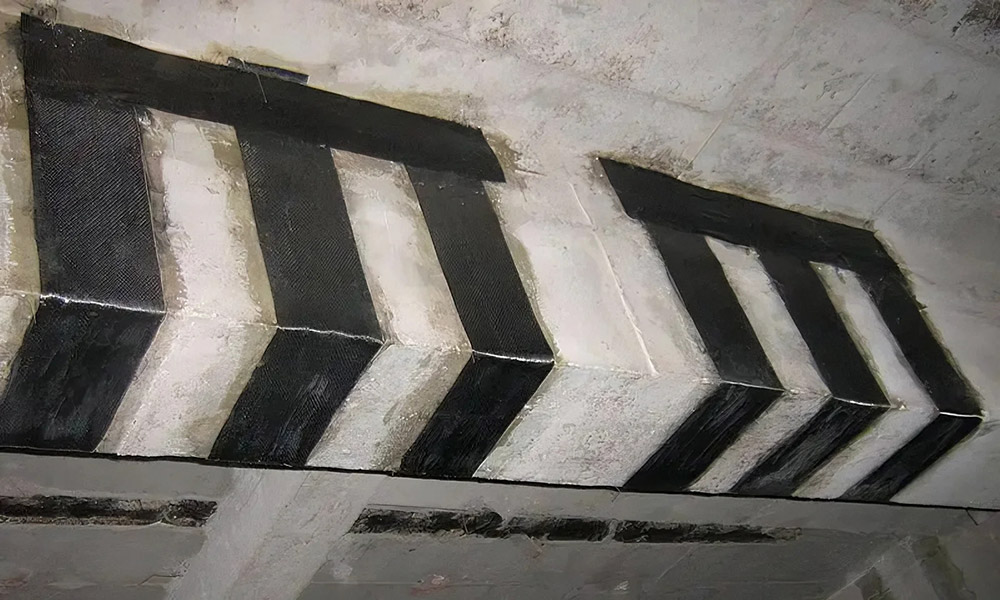
炭素繊維強化鋼構造物の表面処理はどのように行うか?

Steel Surface Preparation Steps: 1. Marking: Define the area where carbon fiber sheets are to be applied. 2. Grinding: Grind the marked steel surface to achieve flatness and remove rust or oxides. Begin with coarse sandpaper to smooth the surface, applying even pressure. Finish with fine sandpaper in a cross-grinding pattern. 3. Cleaning: Use cotton balls soaked in alcohol or acetone to clean the application area, eliminate contaminants, and allow it to dry completely. 4. Adhesive Application: Prepare carbon fiber adhesive and evenly apply it to the steel substrate using a brush. 5. Carbon Fiber Sheet Installation: Place the carbon fiber sheet onto the steel substrate. Ensure the adhesive fully penetrates the sheet, allowing excess […]
会社ニュース

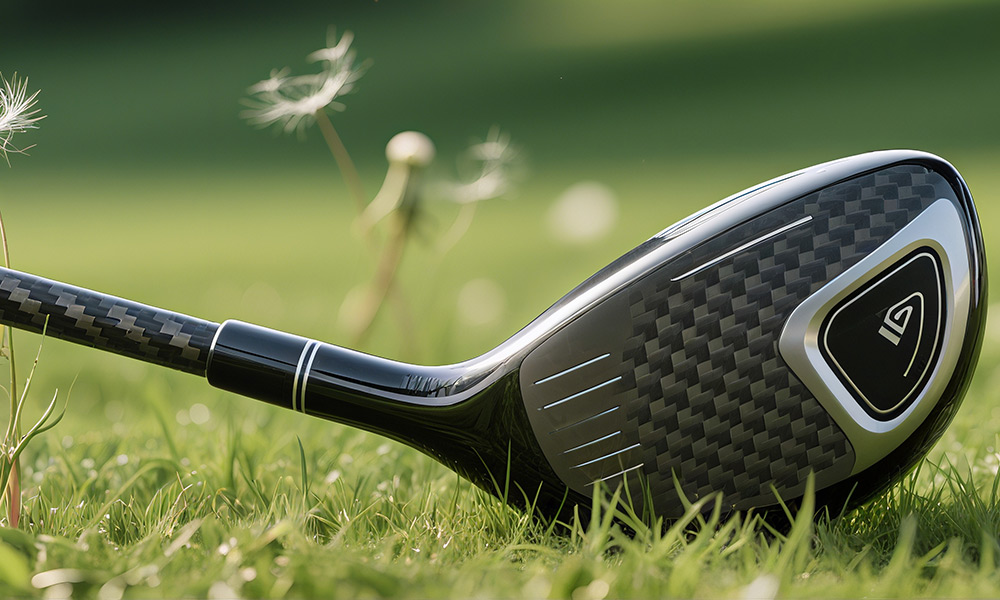
なぜスポーツ用品製造業界はカーボンファイバー素材の採用に熱心なのか?

The Ideal Material for Lightweight and Labor-Saving Sports Bicycles Carbon fiber is the ideal material for lightweight and labor-saving sports bicycles. The creation of a carbon fiber bicycle frame involves an orderly process, including carbon filament weaving, carbon cloth cutting, and molding. After being woven and pressed under high pressure, carbon filaments form carbon cloth. When this cloth is cut, wrapped around core materials, and molded, it becomes the carbon fiber bicycle frame. Compared to aluminum alloy frames, carbon fiber frames are 30% lighter, helping athletes conserve energy during long-distance competitions. Benefits of Carbon Fiber in Sports Equipment: 1. Carbon fiber boasts exceptional properties such as high-temperature resistance, corrosion resistance,

会社ニュース

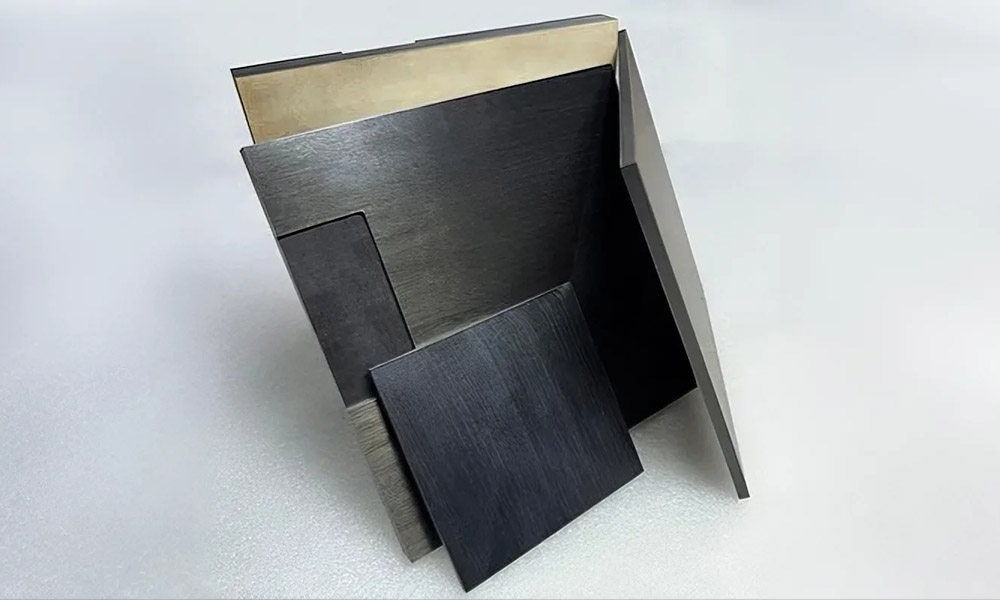
炭素繊維ボードの補強は、他の補強方法と比べてどのような利点がありますか?

炭素繊維ボード補強の利点:炭素繊維ボードは、炭素繊維クロスに比べてレンガ・コンクリート構造の壁補強に適している。炭素繊維ボードは建設工程を簡素化し、一貫した品質を確保するのに役立ちます。炭素繊維ボードは、炭素繊維クロスよりも優れた繊維の平坦性を維持し、炭素繊維材料のより効果的な利用を容易にします。炭素繊維ボード補強の特徴:施工に比較的手間がかからないため、品質の確保が容易である。前処理が不要で取り扱いが容易。優れた性能を発揮し、耐腐食性に優れている。特に圧縮強度の面で、かなりの強度と効率を提供する。また、軽量で柔軟性に優れていることも特長です。

業界情報

Carbon Fiber Filament Gauge Specification Guidelines

Scenario-Specific Fiber Selection Guidelines1. For mission-critical applications demanding peak tensile performance (e.g., aerospace systems, elite athletic gear), sub-micron diameter fibers with nanoscale defect management become essential. These deliver maximum structural integrity where failure isn’t an option. 2. In commercial structural components, optimal filament dimensions balance performance and economics. The 5-7μm range (exemplified by T300/T700 grades) typically satisfies strength/stiffness targets while maintaining cost efficiency – proving ideal for industrial equipment, automotive subsystems, and consumer products.

jaJapanese
トップに戻る