
現代工学における高弾性炭素繊維の強度と多様性を探る
High-modulus carbon fibre has emerged as a revolutionary material in modern engineering, offering unparalleled strength and versatility. But what exactly makes this material so special? How does it compare to traditional materials like steel and aluminum? And what are the real-world applications that highlight its capabilities? This article delves into these questions, exploring the unique properties and benefits of high-modulus carbon fibre.
What Makes High-Modulus Carbon Fibre Unique?
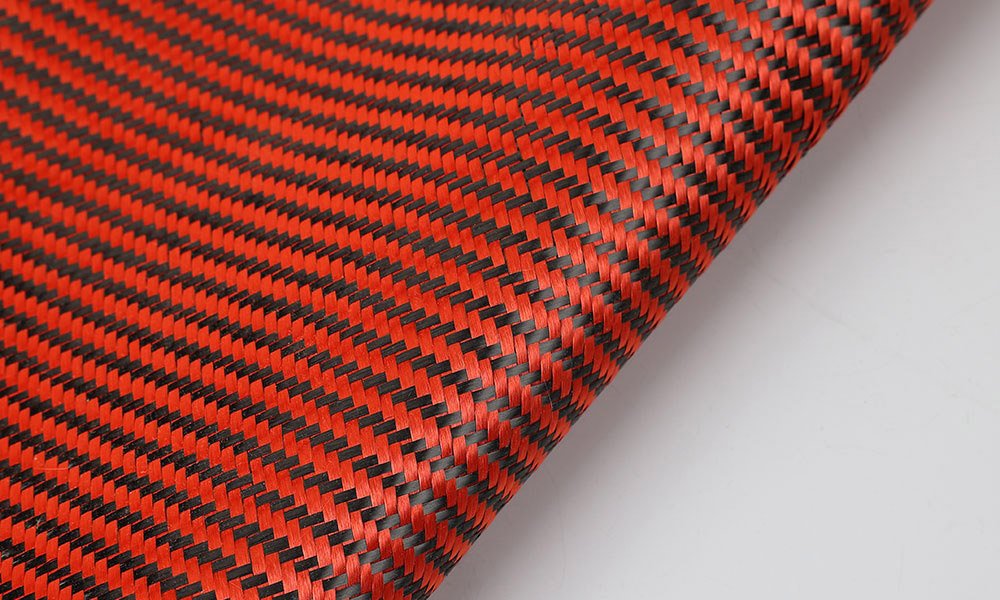
High-modulus carbon fibre is distinguished by its exceptional strength-to-weight ratio. Unlike traditional materials, it can withstand significant stress while maintaining a low weight. This characteristic makes it an ideal choice for industries where weight reduction is critical, such as aerospace, automotive, and sports equipment manufacturing.
The material’s high modulus, which refers to its stiffness, further sets it apart. High-modulus carbon fibre has a modulus of elasticity typically ranging from 150 to 300 GPa, compared to steel’s 200 GPa. This means it can resist deformation under load more effectively, making it suitable for applications that require high stiffness and durability.
How Does High-Modulus Carbon Fibre Compare to Traditional Materials?
When comparing high-modulus carbon fibre to materials like steel and aluminum, several key differences become apparent. Steel, while strong, is much heavier, making it less suitable for applications where weight is a critical factor. Aluminum, on the other hand, offers a better strength-to-weight ratio than steel but still falls short of carbon fibre’s performance.
For instance, carbon fibre composites can be 50-60% lighter than steel while providing similar strength. This advantage is particularly significant in the aerospace industry, where reducing weight can lead to lower fuel consumption and increased payload capacity. Additionally, carbon fibre does not corrode like steel, further extending its lifespan and reducing maintenance costs.
Real-World Applications of High-Modulus Carbon Fibre
The versatility of high-modulus carbon fibre is evident in its wide range of applications. In the aerospace industry, it is used to manufacture aircraft fuselages, wings, and尾翼, contributing to lighter, more fuel-efficient aircraft. The automotive sector also benefits from carbon fibre, with manufacturers using it to create high-performance vehicles with improved fuel efficiency and reduced emissions.
In the sports and leisure industry, carbon fibre is a staple material for manufacturing bicycles, golf clubs, and tennis rackets. Its lightweight and strong properties enhance performance, making it a preferred choice for athletes and enthusiasts. Furthermore, the construction industry is exploring carbon fibre composites for reinforcing structures, improving durability and reducing weight.
The Future of High-Modulus Carbon Fibre
As engineering technology advances, the applications of high-modulus carbon fibre are expected to expand further. Innovations in manufacturing processes are making carbon fibre more accessible and affordable, opening up new possibilities for its use in various industries. Additionally, research into sustainable and recyclable carbon fibre composites is underway, addressing environmental concerns and ensuring the material’s long-term viability.
Sharing Insights
If you are involved in engineering or design, exploring the potential of high-modulus carbon fibre can revolutionize your projects. Its unmatched strength and versatility make it a superior choice for applications requiring high performance and durability. By incorporating carbon fibre into your designs, you can achieve lighter, stronger, and more efficient structures.
In conclusion, high-modulus carbon fibre is a game-changer in modern engineering. Its unique properties and wide range of applications make it an indispensable material for industries seeking to push the boundaries of performance and efficiency. As technology continues to evolve, the possibilities with carbon fibre are bound to grow, offering even more innovative solutions for the future.
By understanding and leveraging the strengths of high-modulus carbon fibre, engineers and designers can create groundbreaking products that set new standards in their respective fields. The material’s potential is vast, and its integration into modern engineering practices is just the beginning of what’s possible.




 Japanese
  English
  German
  French
  Portuguese
  Russian
  Italian
  Spanish
  Arabic