
現代製造業における炭素繊維SMCシート成形コンパウンドの利点を探る
In the rapidly evolving landscape of modern manufacturing, engineers and designers are constantly seeking materials that offer superior performance, durability, and efficiency. Among the innovations that have gained significant traction is the use of Carbon Fiber Sheet Molding Compound (SMC). But what exactly is SMC, and how does it revolutionize the manufacturing process? This article delves into the benefits of Carbon Fiber SMC, addressing key questions and providing insights into why it’s becoming the material of choice for many industries.
What Is Carbon Fiber SMC?
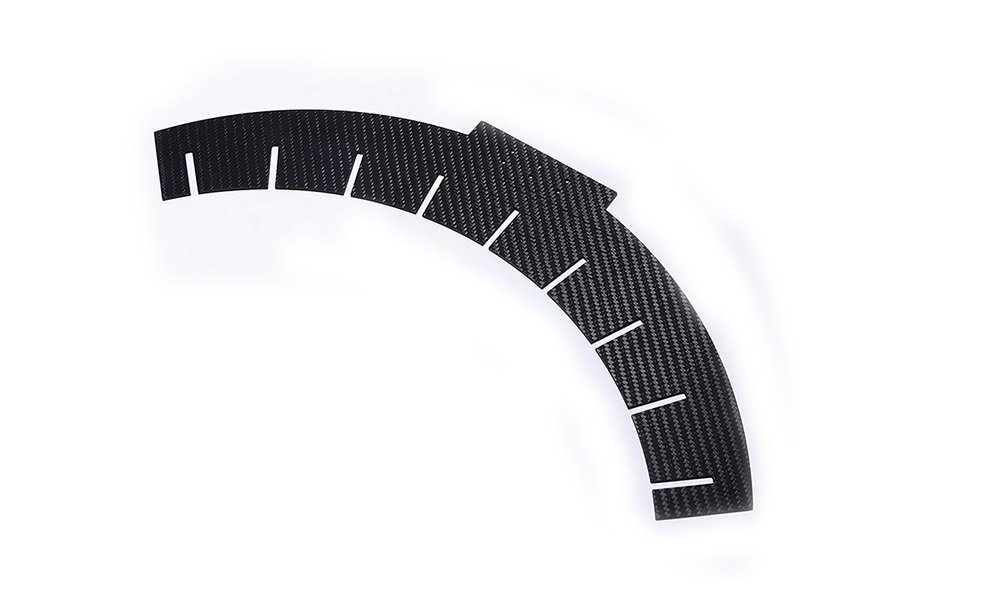
Before exploring its benefits, it’s essential to understand what Carbon Fiber SMC is. SMC, or Sheet Molding Compound, is a composite material consisting of a polymer matrix, typically polyester or epoxy, reinforced with carbon fibers. The carbon fibers provide exceptional strength and stiffness, while the matrix material ensures the composite can be molded into complex shapes. This combination makes SMC an ideal material for a wide range of applications, from automotive parts to aerospace components.
Why Choose Carbon Fiber SMC?
1. Lightweight Yet Strong
One of the most significant advantages of Carbon Fiber SMC is its unique combination of lightweight and high strength. This makes it perfect for industries where weight reduction is critical, such as in the automotive sector. For example, using Carbon Fiber SMC in vehicle body panels can lead to a substantial reduction in overall weight, improving fuel efficiency and performance.
2. Enhanced Durability
Another critical benefit is durability. Carbon Fiber SMC exhibits excellent resistance to corrosion, fatigue, and environmental stress, making it suitable for applications that require long-term reliability. This durability is particularly important in industries like aerospace, where components are subjected to extreme conditions.
3.デザインの柔軟性
SMC allows for intricate and complex designs that would be challenging or impossible to achieve with traditional materials. The ability to mold SMC into complex shapes without compromising strength makes it a versatile choice for manufacturers. This flexibility enables the creation of parts that are both aesthetically pleasing and functionally superior.
4. Cost-Effective Manufacturing
Despite its high-performance capabilities, Carbon Fiber SMC can be more cost-effective than other materials in the long run. The manufacturing process is efficient, allowing for high-volume production with minimal waste. Additionally, the reduced need for post-machining and finishing processes saves time and resources.
Applications of Carbon Fiber SMC
The versatility of Carbon Fiber SMC makes it suitable for a wide range of applications:
- 自動車産業: From dashboard components to exterior body panels, SMC enhances vehicle performance and reduces weight.
- 航空宇宙: SMC is used in the production of aircraft fuselages, wings, and other critical components due to its lightweight and high-strength properties.
- 産業機器: Machinery and equipment components benefit from SMC’s durability and resistance to wear.
- Consumer Goods: High-end electronics and sporting goods often incorporate SMC for its aesthetic and functional benefits.
業界との洞察の共有
Manufacturers who have adopted Carbon Fiber SMC have reported remarkable outcomes. For instance, a leading automotive company noted a 20% reduction in vehicle weight without compromising structural integrity. Similarly, an aerospace manufacturer observed improved fuel efficiency in aircraft equipped with SMC components. These success stories highlight the tangible benefits of integrating Carbon Fiber SMC into modern manufacturing processes.
結論
Carbon Fiber SMC offers a compelling combination of lightweight design, superior strength, and durability, making it an invaluable material in modern manufacturing. By addressing key questions and providing real-world examples, this article underscores the transformative potential of SMC. As industries continue to evolve, the adoption of innovative materials like Carbon Fiber SMC will undoubtedly play a crucial role in driving progress and efficiency. For manufacturers looking to stay ahead of the curve, exploring the benefits of Carbon Fiber SMC is a step toward a more advanced and sustainable future.








 Japanese
  English
  German
  French
  Portuguese
  Russian
  Italian
  Spanish
  Arabic