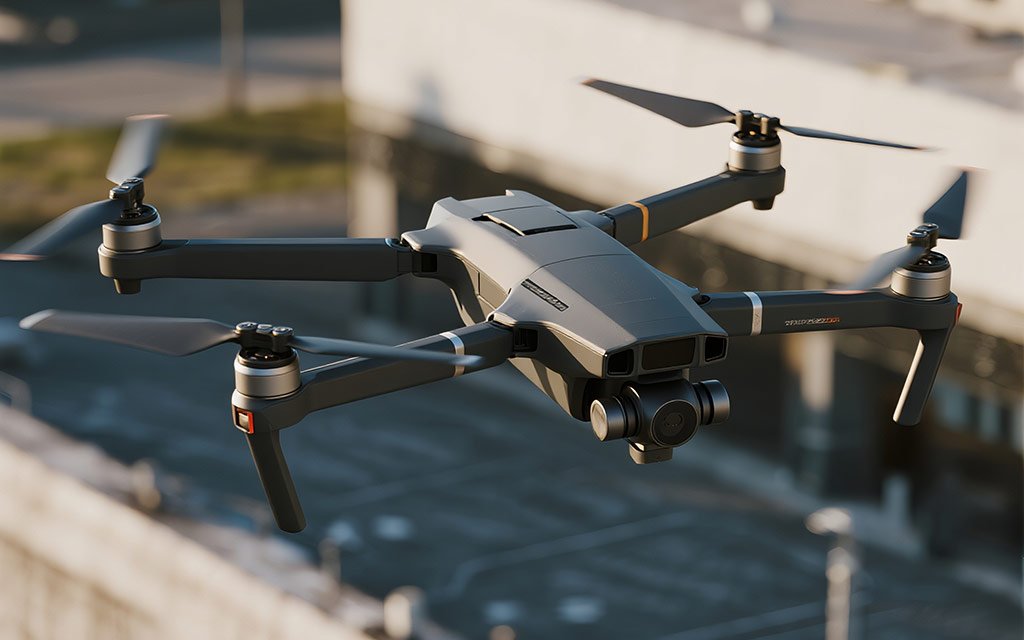
ドローン
炭素繊維複合材料の高い比強度と剛性特性は、機体の構造強度を確保しつつ重量を大幅に軽減することができ、無人航空機の耐久性と飛行関連性能を向上させる上で極めて重要である。一体成形技術と組み合わせれば、無人航空機の製造工程を簡素化し、全体的な構造安定性を向上させ、耐荷重性を高めることができる。


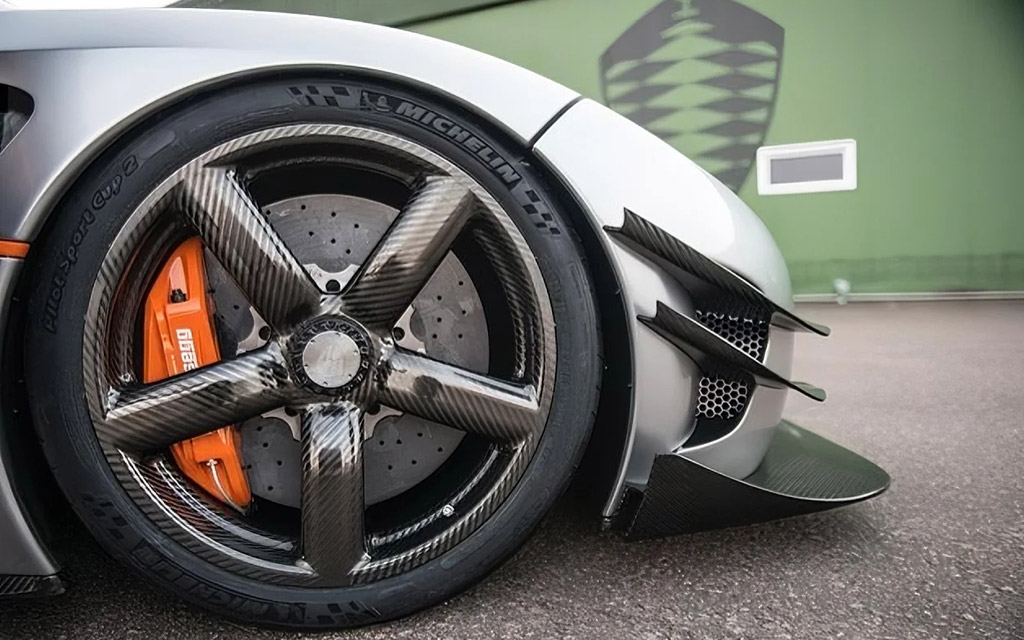
炭素繊維は国際的に「ブラックゴールド」と呼ばれている。炭素素材本来の特性だけでなく、繊維の柔らかさも兼ね備えている。炭素繊維は生糸から製品になるまで、予備酸化、高温炭化、黒鉛化、表面処理など多くの工程を経る必要がある。炭素繊維の利点のひとつは、その軽さである。この素材を自動車に適用することによってもたらされる最も直感的な変化は、車両全体の質量の低減である。パワーシステムは変わらないという前提に立てば、軽量化されたボディはより良い加速感をもたらす。エアコンやオーディオなどの構成を捨ててしまうことに比べれば、軽量化という手法。
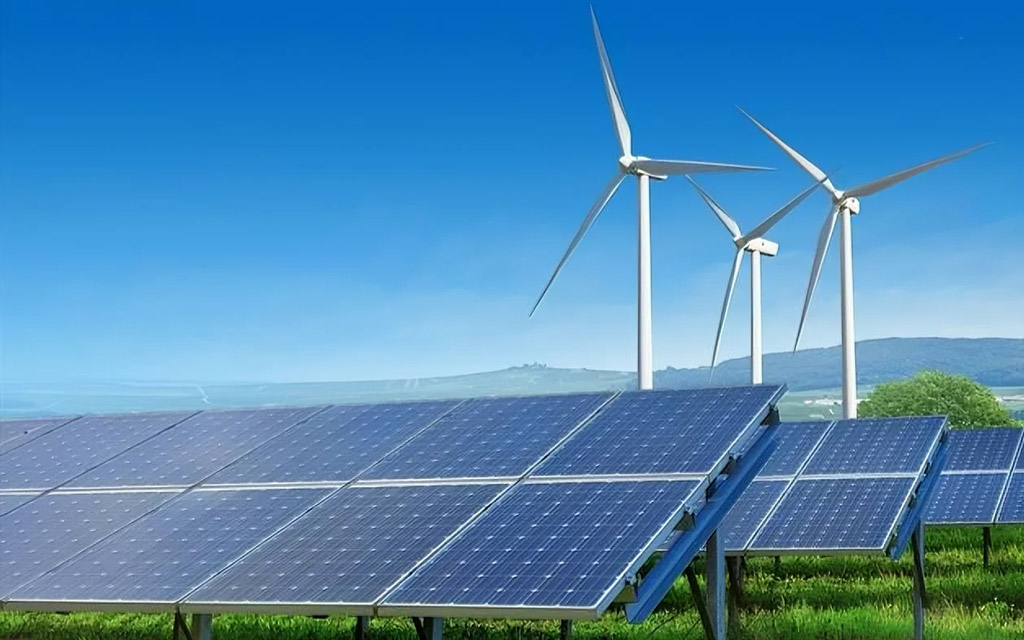
With the maturity of carbon fiber and composite material technology, people’s research has been in-depth, and the application of carbon fiber and composite material in the photovoltaic industry will be more and more.
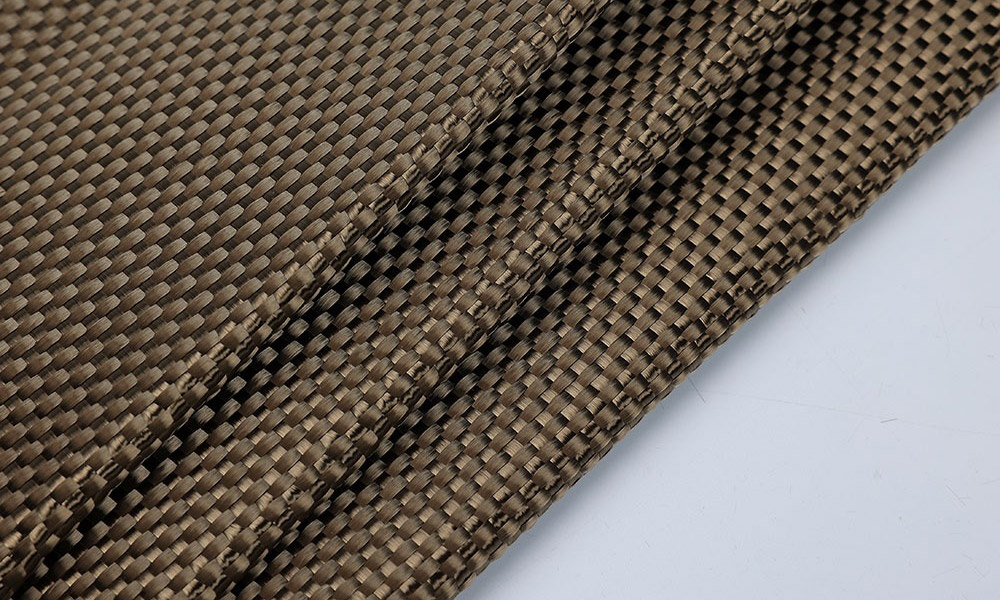
The world’s oceans present one of the harshest material challenges on Earth—saltwater, constant moisture, salt spray, and microbial activity combine to degrade even the toughest materials, compromising structural integrity and shortening lifespans. For decades, marine engineering has grappled with corrosion, relying on costly maintenance and limited-lifespan materials that demand frequent replacement. In this battle against degradation, basalt fiber fabric has emerged as a quiet revolutionary, offering a natural alternative to traditional marine materials with exceptional resistance to the corrosive forces of the sea. Derived from volcanic rock, this inorganic composite material is redefining durability in marine environments, proving its mettle where metals rust, polymers degrade, and even other fibers falter.
 Japanese
  English
  German
  French
  Portuguese
  Russian
  Italian
  Spanish
  Arabic