著者名 910176034@qq.com

業界情報

炭素繊維ラミネートの用途と性能上の利点を探る

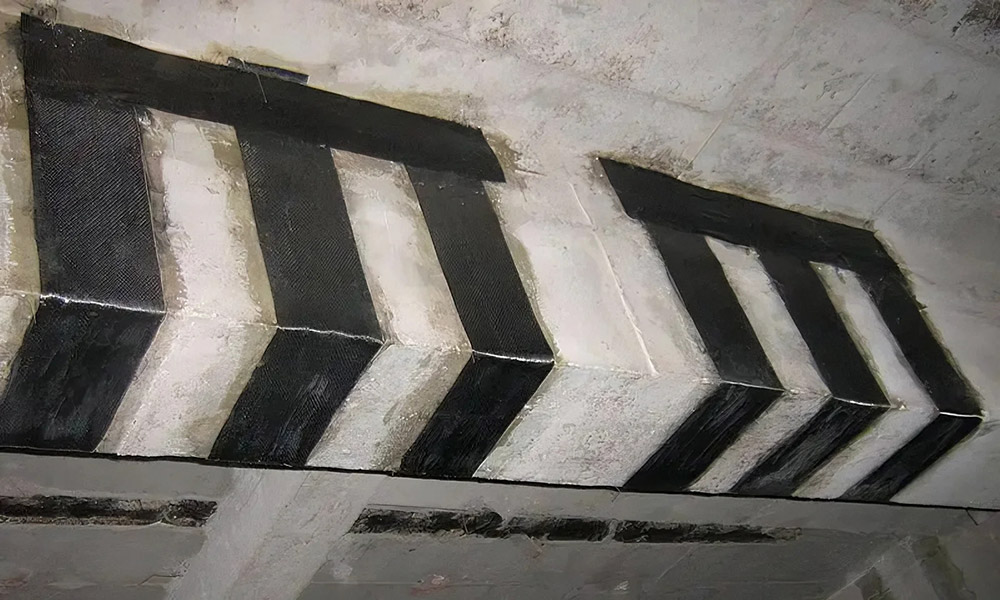
Carbon Fiber Laminate Applications: Construction & High-Rise Structures: Upgrading beams, columns, and slabs. Bridges & Overpasses: Enhancing bridge decks, girders, and supports for greater load capacity. Industrial Buildings: Reinforcing factories, warehouses, and power plants. Marine Structures: Safeguarding docks, piers, and offshore platforms against corrosion and wear. Tunnels & Underground Systems: Stabilizing tunnel linings and metro infrastructure. Water Management Structures: Reinforcing spillways, reservoirs, and retaining walls. Heritage Conservation: Strengthening historical buildings while preserving their appearance. Benefits of Carbon Fiber Laminates: Exceptional strength-to-weight ratio for structural enhancement. Superior corrosion resistance ensures long-term reliability. High fatigue tolerance even with repeated loads. Strong flexural strength improves load capacity. Lightweight design allows for easy handling […]
会社ニュース

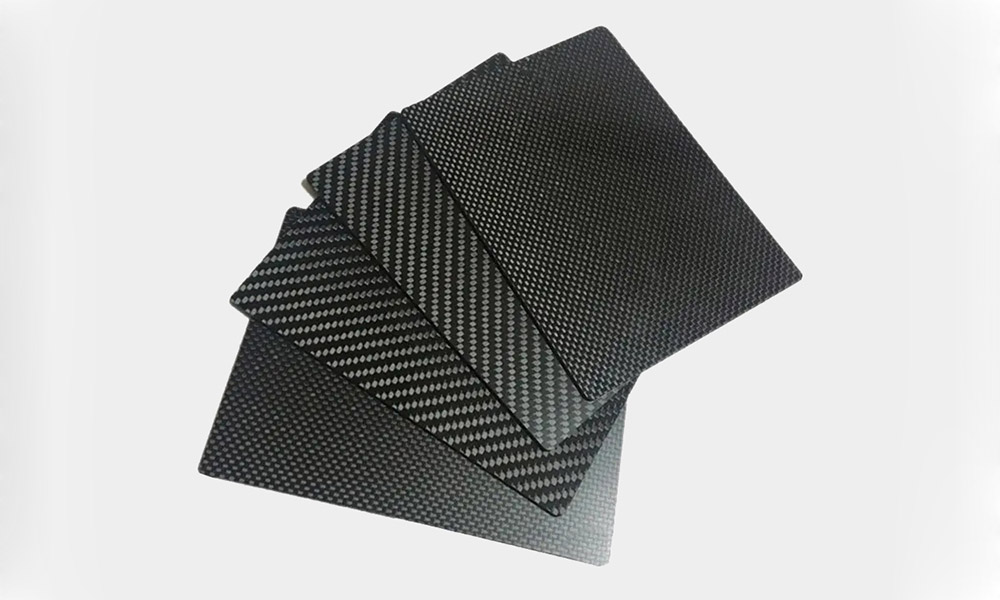
炭素繊維ラミネートの種類とは?

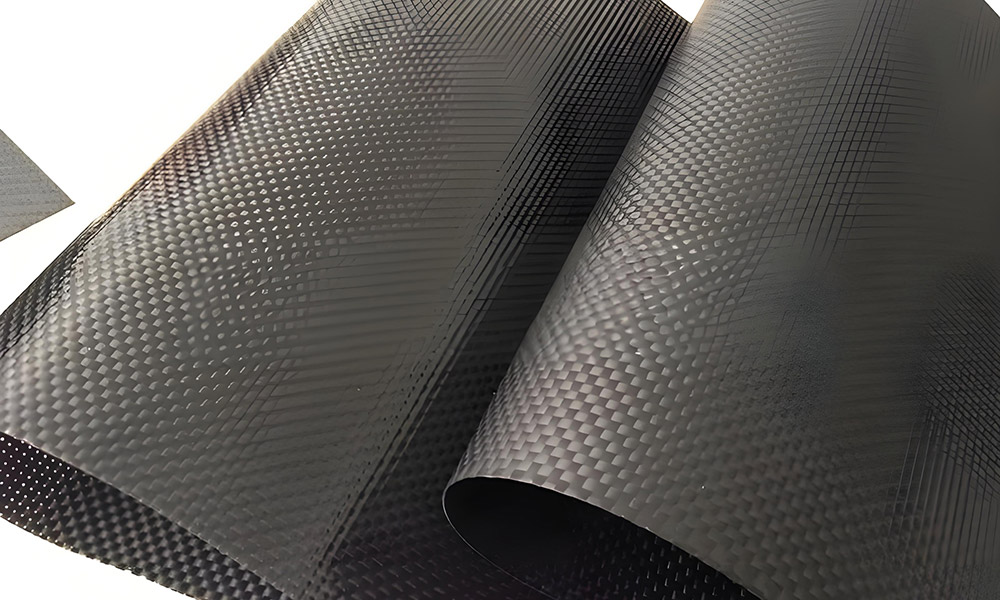
1.一方向炭素繊維ラミネート:このタイプは、梁、プレート、柱の強化によく利用される。構造荷重が主に方向性を持つ場合に特に有効です。鉄筋コンクリート構造の曲げやせん断耐力を大幅に向上させます。2.プリプレグ炭素繊維ラミネート:橋梁の修復や耐震補強など、高精度の補強作業に広く採用されている。これらのプロジェクトでは、繊維と樹脂の比率を正確に調整する必要があるが、このラミネート・タイプはそれを効果的に実現する。3.引抜炭素繊維ラミネート:橋、トンネル、高層ビルなどのインフラ補強によく使用される。その際立った特徴には、卓越した耐荷重性と耐腐食性がある。均一な断面設計により、一貫した機械的特性が保証され、理想的な材料となる。

業界情報

炭素繊維強化鋼構造物の表面処理はどのように行うか?

Steel Surface Preparation Steps: 1. Marking: Define the area where carbon fiber sheets are to be applied. 2. Grinding: Grind the marked steel surface to achieve flatness and remove rust or oxides. Begin with coarse sandpaper to smooth the surface, applying even pressure. Finish with fine sandpaper in a cross-grinding pattern. 3. Cleaning: Use cotton balls soaked in alcohol or acetone to clean the application area, eliminate contaminants, and allow it to dry completely. 4. Adhesive Application: Prepare carbon fiber adhesive and evenly apply it to the steel substrate using a brush. 5. Carbon Fiber Sheet Installation: Place the carbon fiber sheet onto the steel substrate. Ensure the adhesive fully penetrates the sheet, allowing excess

会社ニュース

洋上での石油・ガス採掘と生産活動において、複合材料はどこで利用されているのか?

1. Underwater pipeline systems Flexible composite pipes are highly favored in deepwater oil and gas fields for their outstanding corrosion resistance, fatigue endurance, ease of installation, and adaptability to challenging seafloor topography. These pipes are commonly deployed as risers, production pipelines, and jumper connections. 2. Offshore platform construction Composite materials are extensively utilized in platform decking, equipment modules, accommodation facilities, helicopter landing pads, and walkway grating. Their lightweight nature, superior corrosion resistance, and minimal maintenance requirements make them ideal for harsh marine environments. 3. Pressure containment vessels Composite pressure vessels provide safe and efficient storage solutions for gases and liquids in offshore operations, leveraging their exceptional strength-to-weight ratio and resistance

業界情報

炭素繊維の熱膨張係数を理解する:包括的ガイド

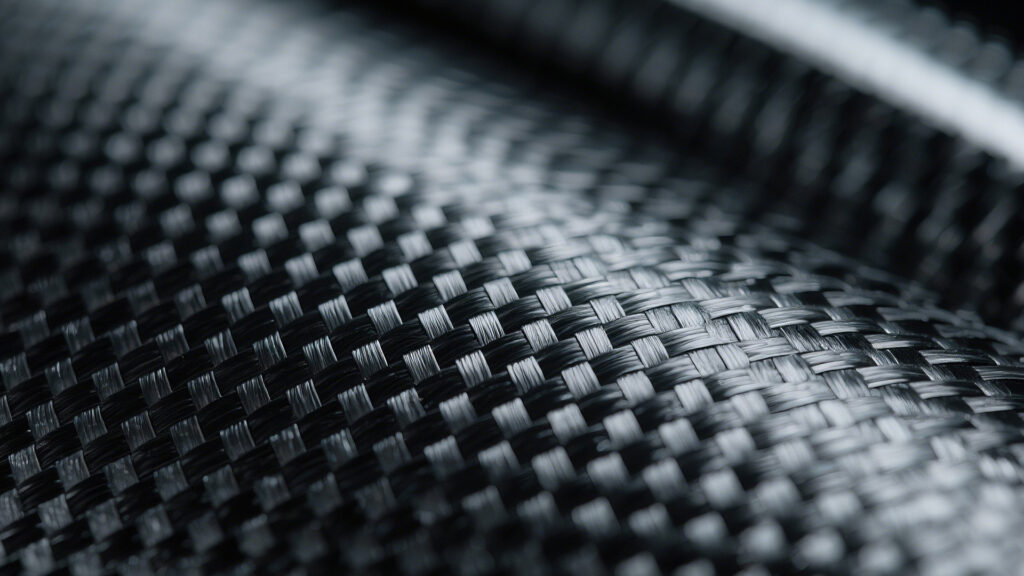
Understanding the Carbon Fibre Thermal Expansion Coefficient: A Comprehensive Guide Carbon fibre is a revolutionary material used in various industries, including aerospace, automotive, and sports equipment. One crucial property of carbon fibre that engineers and designers must consider is its thermal expansion coefficient (CTE). Understanding this concept is essential for ensuring the performance and durability of carbon fibre components under varying temperature conditions. What Is the Thermal Expansion Coefficient? The thermal expansion coefficient (CTE) measures how much a material expands or contracts when exposed to temperature changes. For carbon fibre, this coefficient is typically much lower than that of traditional materials like steel or aluminum. This property makes carbon fibre

業界情報

炭素繊維の引張強さと鋼の比較:エンジニアと製造業者のための包括的比較

Carbon Fibre Tensile Strength vs Steel: A Comprehensive Comparison for Engineers and Manufacturers Introduction When it comes to selecting materials for structural applications, engineers and manufacturers often face a critical decision: should they opt for carbon fibre or steel? Both materials have their unique properties and advantages, but understanding their tensile strength is crucial for making informed choices. This article explores the comprehensive comparison between carbon fibre and steel, addressing key questions that arise in this context. What is Tensile Strength? Before diving into the comparison, it’s essential to understand what tensile strength means. Tensile strength is a measure of a material’s ability to withstand stress. It is defined as

jaJapanese
トップに戻る