
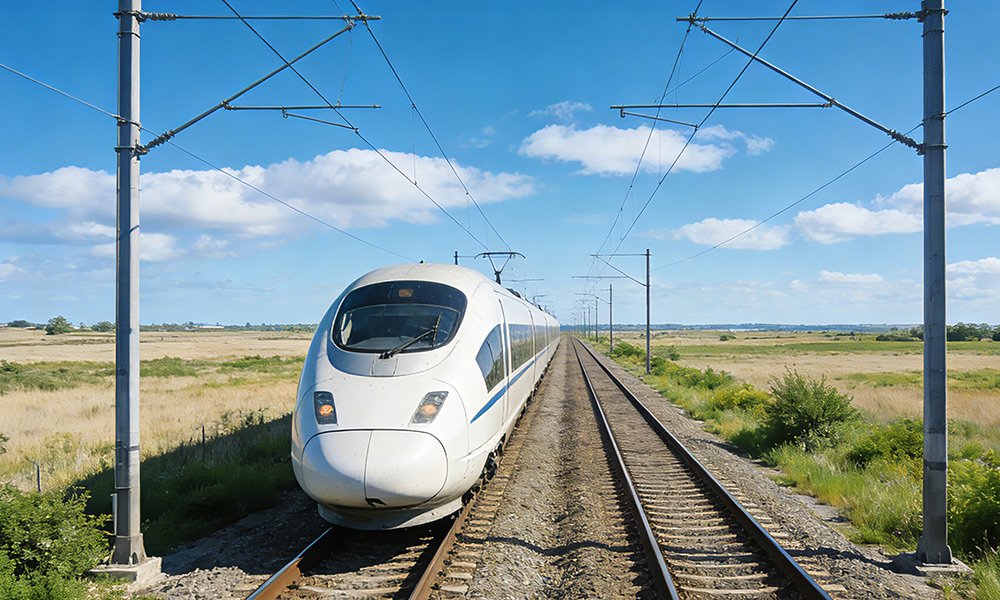
High-speed EMUs rely on efficiency to deliver fast, reliable service every day. As demand for quicker and more sustainable travel grows, reducing weight has become a key focus. Carbon fiber has emerged as a game-changer for creating lightweight components that meet these needs. It offers a unique mix of strength and lightness that traditional materials cannot match.
The Core Value of Lightweight Design
Lightweight components are not just a nice feature for high-speed EMUs; they are essential. They directly impact how well these trains perform on a daily basis. By cutting weight, trains use less energy to accelerate and maintain speed. This not only lowers operational costs but also reduces environmental impact over time. Additionally, lighter parts put less stress on the train’s overall structure.
This reduced stress helps extend the lifespan of key systems within the train. It also improves ride comfort for passengers by minimizing vibrations during travel. Moreover, lighter trains can handle steeper routes more easily without losing speed. For high-speed travel, every pound saved translates to better overall performance and sustainability.
Why This Material Stands Out
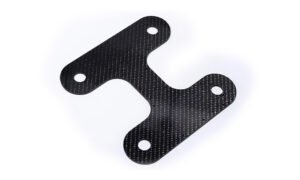
Carbon fiber differs from traditional materials in several important ways. First, it is significantly lighter than most metals used in train components. Even with its light weight, it remains incredibly strong and durable. This combination is hard to find in other materials used for train parts. It also resists corrosion, which is crucial for long-term use.
Unlike some heavy materials, carbon fiber does not add unnecessary bulk. It can be shaped to fit different component needs without losing strength. This flexibility makes it ideal for various parts of high-speed EMUs. It also helps keep maintenance needs low, as it does not wear down as quickly as some alternatives.
How It Fits Into Modern Train Design
Modern high-speed EMU design focuses on balance between strength and efficiency. Carbon fiber helps achieve this balance by replacing heavier materials in key areas. It is used in parts that need to be strong but not bulky. This allows designers to create sleeker, more aerodynamic train bodies as well.
Aerodynamics and weight go hand in hand for high-speed trains. Lighter components work with aerodynamic designs to cut down on energy use. They also help the train reach and maintain high speeds more smoothly. This makes travel faster and more efficient for both operators and passengers.
Looking Ahead to Future Use
As high-speed travel continues to evolve, carbon fiber use will likely grow. Engineers are finding new ways to integrate it into more components. This will lead to even lighter, more efficient trains in the coming years. It will also help make high-speed travel more sustainable and accessible.
The future of high-speed EMUs depends on materials that can keep up with demand. Carbon fiber has proven it can meet these demands reliably. It offers a combination of benefits that no other material can match right now. As technology improves, its role in train design will only become more important.
Overall, carbon fiber is transforming how high-speed EMUs are built. It provides the lightweight strength needed for efficient, reliable travel. It fits perfectly with modern design goals and sustainability efforts. For anyone interested in the future of high-speed travel, carbon fiber is a material worth watching.
Contact Us
Interested in our Carbon Fibre? Reach out anytime via WhatsApp8618921275456 または email: sales@sino-grate.com. We eagerly await your contact!


 Japanese
  English
  German
  French
  Portuguese
  Russian
  Italian
  Spanish
  Arabic