
Carbon fiber multiaxial fabric is a specialized type of carbon fiber fabric designed with fibers oriented in multiple directions, offering enhanced structural performance compared to traditional woven fabrics. Unlike standard woven fabrics, which typically have fibers oriented at 0° and 90°, multiaxial fabrics feature fibers in additional orientations, such as ±45°, allowing for improved strength and stiffness across multiple axes. For professionals working in high-performance composite manufacturing, understanding the properties, advantages, and proper usage of carbon fiber multiaxial fabric is crucial to maximizing its effectiveness in demanding applications.
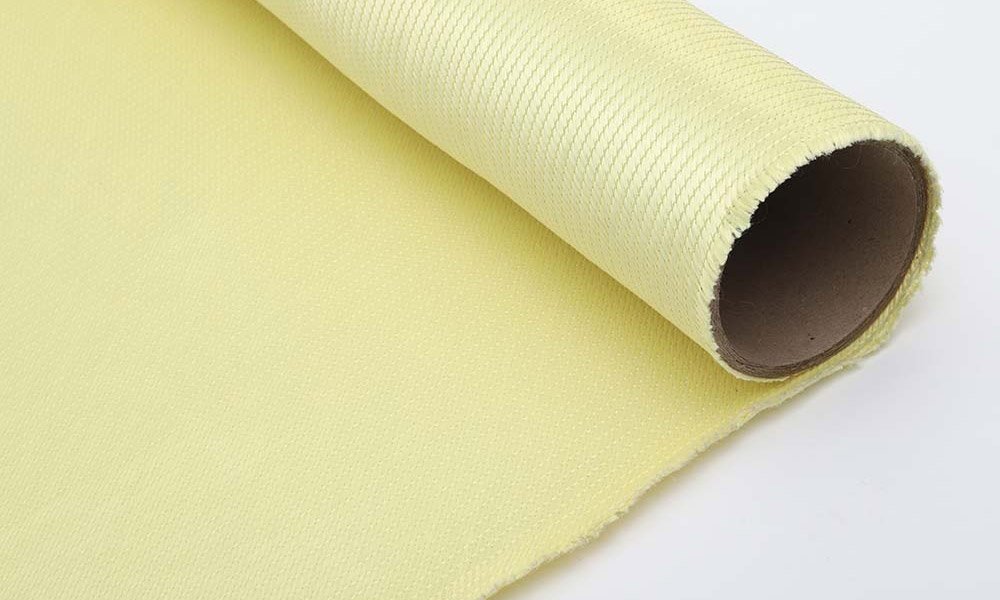
A key property of carbon fiber multiaxial fabric is its directional strength. By orienting fibers in multiple directions, the fabric provides uniform strength and stiffness across the entire material, rather than concentrating these properties in just two directions. This makes it ideal for applications that experience loads from various angles, as it can effectively distribute stress and resist deformation. Additionally, the fabric retains the lightweight properties of carbon fiber while offering enhanced structural performance, maintaining a high strength-to-weight ratio that is critical in weight-sensitive industries.
Another important property is its low resin content requirement. The flat, uncrimped nature of the fibers in multiaxial fabric allows for better resin impregnation, requiring less resin to achieve full saturation compared to woven fabrics. This not only reduces the overall weight of the composite but also improves mechanical properties by minimizing resin-rich areas that can weaken the structure. The fabric also exhibits good fatigue resistance, capable of withstanding repeated loading and unloading without degradation, which is essential for long-term performance in components subjected to cyclic stress.
The advantages of carbon fiber multiaxial fabric are numerous. Its enhanced directional strength makes it suitable for complex structural components that require strength in multiple directions, eliminating the need for multiple layers of woven fabric oriented in different directions. It also offers improved stiffness compared to woven fabrics, providing better dimensional stability and reducing the risk of structural deflection. The reduced resin requirement contributes to cost savings and weight reduction, both of which are critical factors in industries like aerospace and automotive.
Additionally, the fabric is easy to handle and mold, making it suitable for complex shapes and contours, which expands its range of applications. When using carbon fiber multiaxial fabric, several key usage tips should be followed. First, selecting the correct fiber orientation based on the application’s load requirements is essential. For example, fabrics with ±45° orientations are ideal for applications experiencing shear loads, while 0°/90° orientations are better for axial and transverse loads.

Second, proper resin impregnation is crucial to ensure optimal performance, as inadequate saturation can lead to voids and reduced strength. Using the correct resin type and ensuring full saturation will maximize the composite’s mechanical properties. Third, handling the fabric with care is important to avoid damaging the fibers, as broken fibers can compromise strength. Clean cuts using appropriate tools are recommended to prevent fraying. Finally, proper curing of the composite is essential, as under-curing or over-curing can significantly impact material properties. By following these guidelines, carbon fiber multiaxial fabric can be effectively utilized in a range of applications, including aerospace components, automotive chassis, marine structures, and high-performance sports equipment, delivering superior structural performance in demanding environments.
One of the key properties of carbon fiber multiaxial fabric is its directional strength. By orienting fibers in multiple directions, the fabric provides uniform strength and stiffness across the entire material, rather than being concentrated in just two directions. This makes it ideal for applications that experience loads from various angles, such as structural components in aerospace and automotive industries. Additionally, the fabric has a high strength-to-weight ratio, retaining the lightweight properties of carbon fiber while offering enhanced structural performance.
Another important property is its low resin content requirement. The flat, uncrimped nature of the fibers in multiaxial fabric allows for better resin impregnation, requiring less resin to achieve full saturation compared to woven fabrics. This not only reduces the overall weight of the composite but also improves the fabric’s mechanical properties by minimizing resin-rich areas that can weaken the structure. The fabric also exhibits good fatigue resistance, able to withstand repeated loading and unloading without degrading, which is essential for long-term performance.
The advantages of carbon fiber multiaxial fabric are numerous. Its enhanced directional strength makes it suitable for complex structural components that require strength in multiple directions. It also offers improved stiffness compared to woven fabrics, providing better dimensional stability. The reduced resin requirement contributes to cost savings and weight reduction, which are critical factors in industries like aerospace and automotive. Additionally, the fabric is easy to handle and mold, making it suitable for complex shapes and contours, which expands its range of applications.
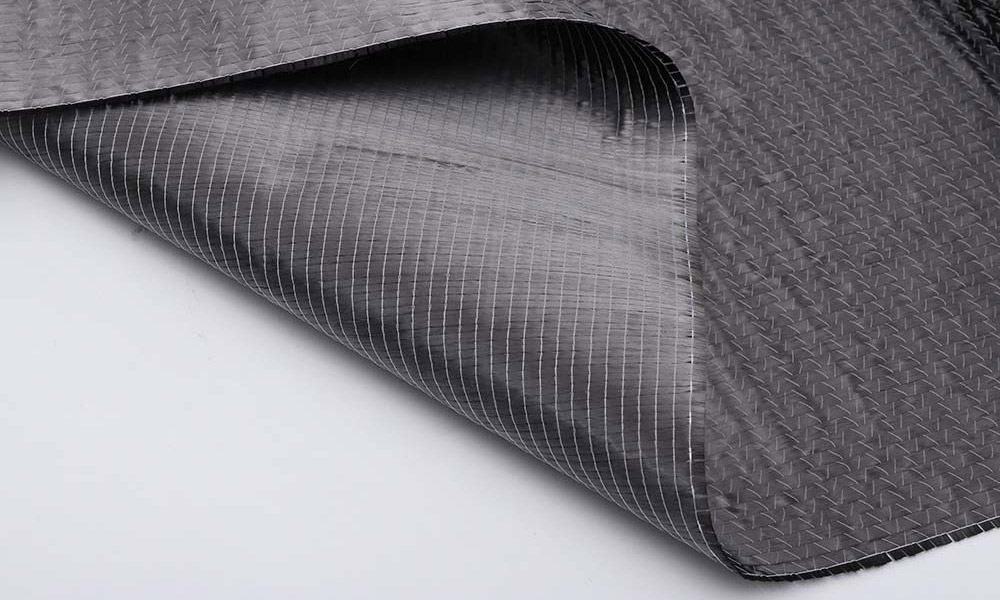
When using carbon fiber multiaxial fabric, there are several key usage tips to keep in mind. First, it is important to select the correct fiber orientation based on the application’s load requirements. For example, fabrics with ±45° orientations are ideal for applications experiencing shear loads, while 0°/90° orientations are better for axial and transverse loads. Second, proper resin impregnation is essential to ensure optimal performance. Using the correct resin type and ensuring full saturation will prevent voids and improve the composite’s strength.
Third, handling the fabric with care is important to avoid damaging the fibers, as broken fibers can reduce the fabric’s strength. It is also recommended to use appropriate cutting tools to ensure clean cuts without fraying. Finally, proper curing of the composite is crucial, as under-curing or over-curing can compromise the material’s properties. By following these tips, carbon fiber multiaxial fabric can be effectively utilized in a range of applications, including aerospace components, automotive chassis, marine structures, and high-performance sports equipment. Its unique properties and advantages make it a valuable material for demanding structural applications.


 Japanese
  English
  German
  French
  Portuguese
  Russian
  Italian
  Spanish
  Arabic