
Carbon fiber has emerged as a leading material for manufacturing high-performance, lightweight products—ranging from aircraft and automotive components to sporting equipment. As global demand for this versatile material surges, however, concerns over the environmental footprint of its production and end-of-life disposal have grown increasingly prominent. Against this backdrop, evaluating the environmental impacts of carbon fiber manufacturing and exploring effective recycling and reuse strategies have become imperative.
The carbon fiber production process encompasses several stages that pose potential environmental risks, including raw material extraction, energy-intensive manufacturing, and waste management. Most feedstocks for carbon fiber are derived from fossil fuels, whose extraction and processing contribute to carbon emissions and ecological degradation. Furthermore, the manufacturing cycle itself demands substantial energy input, which in turn amplifies greenhouse gas (GHG) emissions if the energy source relies on non-renewable resources.
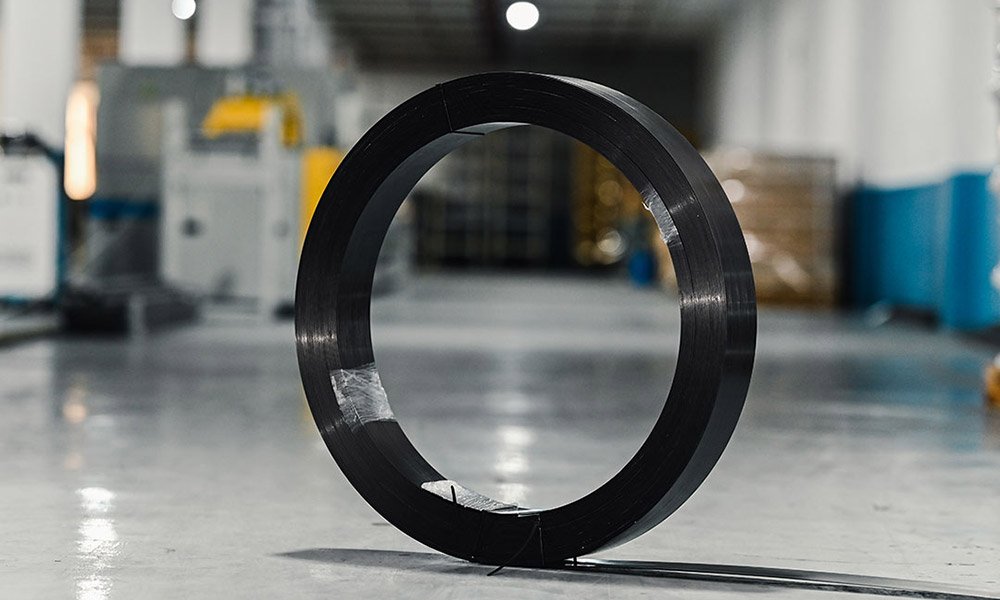
Nevertheless, numerous carbon fiber manufacturers have made notable strides in enhancing the sustainability of their operations. Some industry players have pioneered innovative technologies to produce carbon fiber from recycled feedstocks, thereby reducing reliance on virgin fossil fuels and cutting down energy consumption. Others have optimized production workflows to minimize waste generation and boost energy efficiency. These proactive measures have yielded significant reductions in GHG emissions and other adverse environmental impacts associated with carbon fiber production.
Another critical area of focus is the recyclability and reusability of carbon fiber products. Unlike more conventional materials, carbon fiber presents unique recycling challenges due to its composite structure. Yet, substantial advancements have been achieved in recent years. A number of companies have developed proprietary processes to decompose end-of-life carbon fiber products into their constituent fibers, which can then be repurposed in new manufacturing cycles. This circular approach not only reduces the demand for virgin raw materials but also curtails the energy required for new production, thereby mitigating the overall environmental impact of the carbon fiber supply chain.
In summary, while the environmental implications of carbon fiber production remain a pressing concern, meaningful progress is being made to alleviate these effects. Manufacturers are increasingly adopting sustainable production practices that prioritize waste reduction and energy efficiency. Concurrently, innovative recycling technologies are unlocking the potential for carbon fiber product reuse, diminishing the need for new material extraction. Sustaining this momentum is crucial to ensuring that carbon fiber retains its status as a sustainable and environmentally responsible material for future generations.


 Japanese
  English
  German
  French
  Portuguese
  Russian
  Italian
  Spanish
  Arabic