
Exploring the Properties and Applications of a Quasi-Isotropic Carbon Composite Plate 3 mm Thick
はじめに
Quasi-isotropic carbon composite plates have gained significant attention in various industries due to their exceptional strength, lightweight nature, and versatility. In this article, we will delve into the properties and applications of a 3 mm thick quasi-isotropic carbon composite plate, addressing key questions that arise in this context. What makes these plates quasi-isotropic? How do their properties translate into real-world applications? And what are the advantages they offer over traditional materials?
What Are Quasi-Isotropic Carbon Composite Plates?
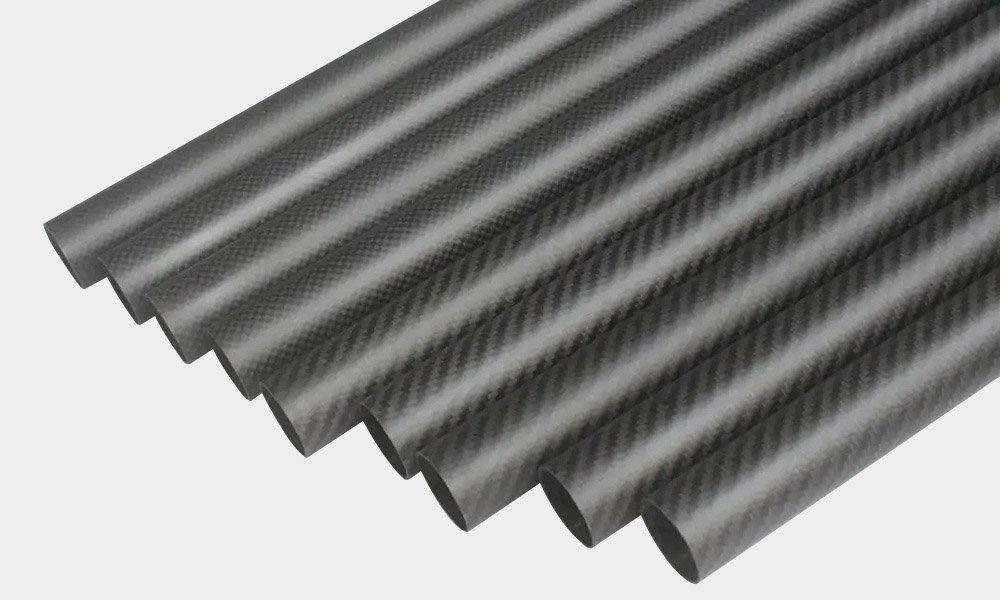
Quasi-isotropic carbon composite plates are advanced materials designed to exhibit similar mechanical properties in all directions. Unlike traditional composite materials that may have directional strengths, quasi-isotropic composites are engineered to provide uniform performance across multiple axes. This characteristic makes them highly sought after in industries where consistency and reliability are paramount.
Key Properties
-
高い強度重量比: One of the most significant advantages of quasi-isotropic carbon composite plates is their exceptional strength-to-weight ratio. This means they can withstand high loads while remaining lightweight, reducing overall weight in structures.
-
Low Coefficient of Thermal Expansion: These plates have a low coefficient of thermal expansion, making them ideal for applications where temperature fluctuations are common. This property ensures that the material maintains its shape and dimensions even under varying thermal conditions.
-
耐食性: Carbon composites are inherently resistant to corrosion, which extends the lifespan of the material in harsh environments. This makes them suitable for marine, aerospace, and automotive applications.
-
Fatigue Resistance: Quasi-isotropic carbon composite plates exhibit excellent fatigue resistance, meaning they can endure repeated stress and loading without significant degradation. This property is crucial in applications involving dynamic loads.
Applications of Quasi-Isotropic Carbon Composite Plates
Given their unique properties, quasi-isotropic carbon composite plates find applications in a wide range of industries. Let’s explore some of the most notable uses.
航空宇宙産業
In the aerospace sector, weight reduction is critical for fuel efficiency and performance. Quasi-isotropic carbon composite plates are used in the construction of aircraft fuselages, wings, and empennages. Their high strength-to-weight ratio and fatigue resistance make them ideal for these applications.
自動車産業
The automotive industry benefits from the lightweight and high-strength properties of carbon composites. These plates are used in the manufacturing of sports cars, electric vehicles, and lightweight frames. Their corrosion resistance also enhances vehicle durability.
再生可能エネルギー
In renewable energy, quasi-isotropic carbon composite plates are used in wind turbine blades. Their ability to withstand extreme weather conditions and their lightweight nature make them perfect for this application, contributing to the efficiency and longevity of wind turbines.
Consumer Electronics
Even in consumer electronics, these plates are finding their way into products like smartphones and laptops. Their lightweight and durable nature make them suitable for use in protective casings and structural components.
Addressing Key Questions
How Are Quasi-Isotropic Carbon Composite Plates Manufactured?
The manufacturing process of quasi-isotropic carbon composite plates involves layering carbon fibers in multiple orientations and using a resin matrix to bind them together. Advanced techniques like Automated Fiber Placement (AFP) and Resin Transfer Molding (RTM) are employed to ensure uniform fiber distribution and consistent properties across the plate.
What Are the Cost Implications?
While the initial cost of quasi-isotropic carbon composite plates may be higher than traditional materials, their long-term benefits often outweigh the expense. Their durability, reduced maintenance needs, and extended lifespan make them a cost-effective choice in many applications.
How Do They Compare to Traditional Materials?
Compared to metals like aluminum and steel, quasi-isotropic carbon composite plates offer superior strength-to-weight ratios, better corrosion resistance, and lower thermal expansion. These advantages make them a preferred choice for modern engineering challenges.
結論
Quasi-isotropic carbon composite plates, especially those 3 mm thick, are revolutionizing various industries with their exceptional properties and versatile applications. From aerospace to consumer electronics, these materials are proving to be a game-changer. As technology advances, we can expect even more innovative uses for quasi-isotropic carbon composites, further solidifying their role in the future of engineering and design.
If you found this information valuable, feel free to share it with your network. For more insights into advanced materials and their applications, stay tuned to our ongoing explorations in the field of engineering and technology.


 Japanese
  English
  German
  French
  Portuguese
  Russian
  Italian
  Spanish
  Arabic