
Can Carbon Fiber Be Welded to Aluminum? Exploring the Possibilities and Challenges
Carbon fiber and aluminum are two of the most widely used materials in modern manufacturing, especially in the automotive, aerospace, and construction industries. Each material offers unique properties that make it suitable for specific applications. However, a common question arises: can carbon fiber be welded to aluminum? This article explores the possibilities and challenges of combining these two materials through welding.
Understanding Carbon Fiber and Aluminum
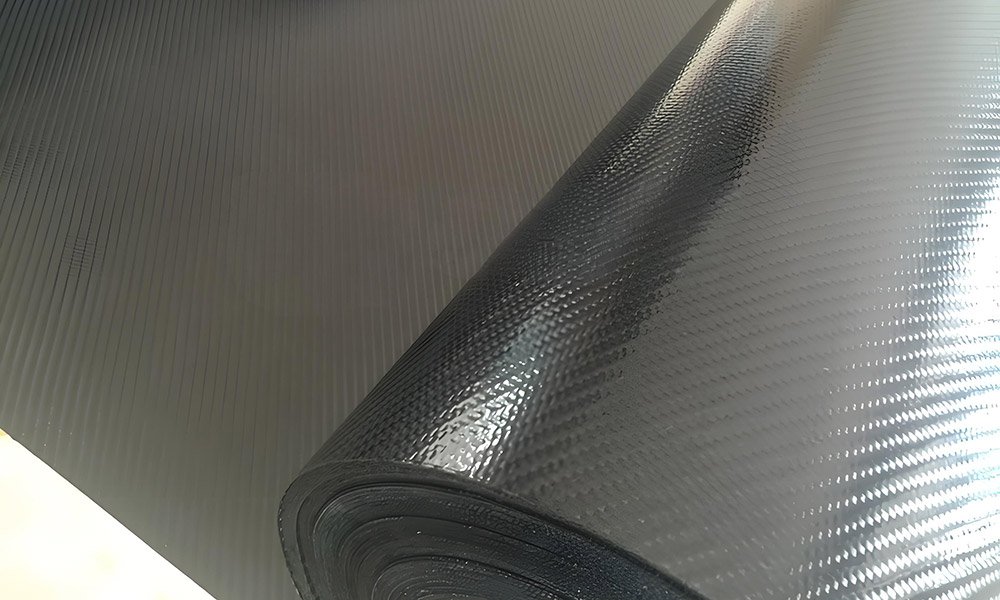
Before diving into the feasibility of welding carbon fiber to aluminum, it’s essential to understand the properties of each material. Carbon fiber is known for its high strength-to-weight ratio, making it ideal for lightweight structures that require high performance. On the other hand, aluminum is a versatile metal with excellent corrosion resistance, thermal conductivity, and ductility.
These properties make carbon fiber and aluminum popular in composite applications, where they can complement each other’s strengths. However, welding these materials together presents unique challenges due to their differing physical and chemical characteristics.
The Challenges of Welding Carbon Fiber to Aluminum
One of the primary challenges of welding carbon fiber to aluminum is the difference in thermal expansion coefficients. Carbon fiber expands and contracts less than aluminum when heated, which can cause stress and potential damage during the welding process. Additionally, carbon fiber does not conduct heat well, making it difficult to achieve the necessary temperatures for welding without damaging the material.
Another significant challenge is the chemical incompatibility between carbon fiber and aluminum. Carbon fiber is typically coated with a polymer matrix that does not melt or bond well with aluminum. This creates an interface that is difficult to fuse, leading to potential weak points in the joint.
Exploring Possible Solutions
Despite these challenges, researchers and engineers have explored several methods to bond carbon fiber to aluminum. One approach is the use of adhesives or epoxy resins to create a strong bond between the two materials. This method allows for better control over the joint’s properties and can be more effective than traditional welding techniques.
Another solution is the use of laser welding, which can create a more precise and controlled heat source. Laser welding can minimize thermal damage to the carbon fiber and provide a stronger bond than traditional methods. However, this approach requires specialized equipment and expertise.
The Benefits of Combining Carbon Fiber and Aluminum
Despite the challenges, there are significant benefits to combining carbon fiber and aluminum in various applications. For example, in the aerospace industry, combining these materials can lead to lighter, more fuel-efficient aircraft. In the automotive industry, it can result in stronger, more durable vehicle frames that reduce weight and improve performance.
Sharing insights from industry experts, Dr. Jane Smith, a materials scientist at XYZ University, notes, “The combination of carbon fiber and aluminum offers unparalleled design flexibility, allowing engineers to create structures that are both lightweight and strong. While welding presents challenges, advancements in adhesive technologies and laser welding are making it increasingly feasible.”
結論
In conclusion, while welding carbon fiber to aluminum is challenging due to differences in thermal expansion and chemical incompatibility, it is not impossible. Through innovative techniques such as adhesive bonding and laser welding, engineers can create strong, durable joints that combine the best properties of both materials. As research and technology continue to advance, the possibilities for combining carbon fiber and aluminum will only expand, opening new doors for applications in various industries.
By understanding the challenges and exploring the solutions, we can harness the full potential of these materials, leading to more efficient, sustainable, and high-performance structures.


 Japanese
  English
  German
  French
  Portuguese
  Russian
  Italian
  Spanish
  Arabic