2025年8月4日

業界情報

連続炭素繊維強化熱可塑性樹脂プリプレグ製造の進歩

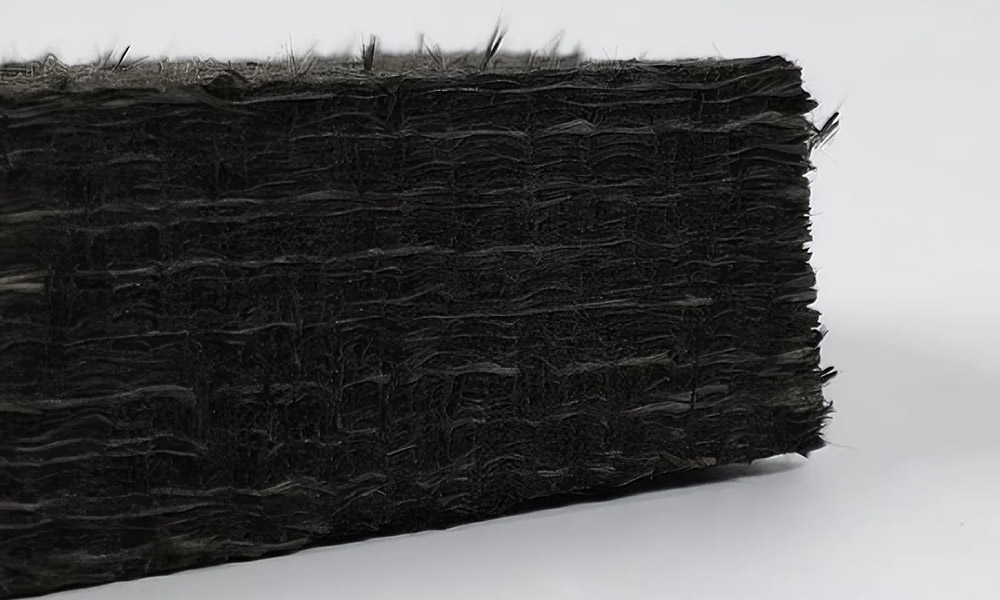
1. Novelty in Impregnation Techniques Conventional methods, when handling high-viscosity thermoplastic resins, often fall short in terms of resin flow and fiber wetting. To address this, researchers have introduced the suspended hot melt technique and ultrasonic-assisted impregnation. The suspended hot melt method disperses resin powder in an aqueous suspension, leveraging ultrasonic cavitation to expand fiber tows and embed resin granules uniformly between fibers. Subsequent high-temperature melting and consolidation enable the large-scale production of high-performance resins like PEEK and PPS. This eco-friendly process allows for continuous production, enhancing prepreg uniformity and mechanical attributes. Ultrasonic-assisted impregnation uses high-frequency oscillations to diminish resin surface tension, improving resin infiltration and reducing porosity while increasing […]
会社ニュース

炭素繊維ボードの断面加工手順

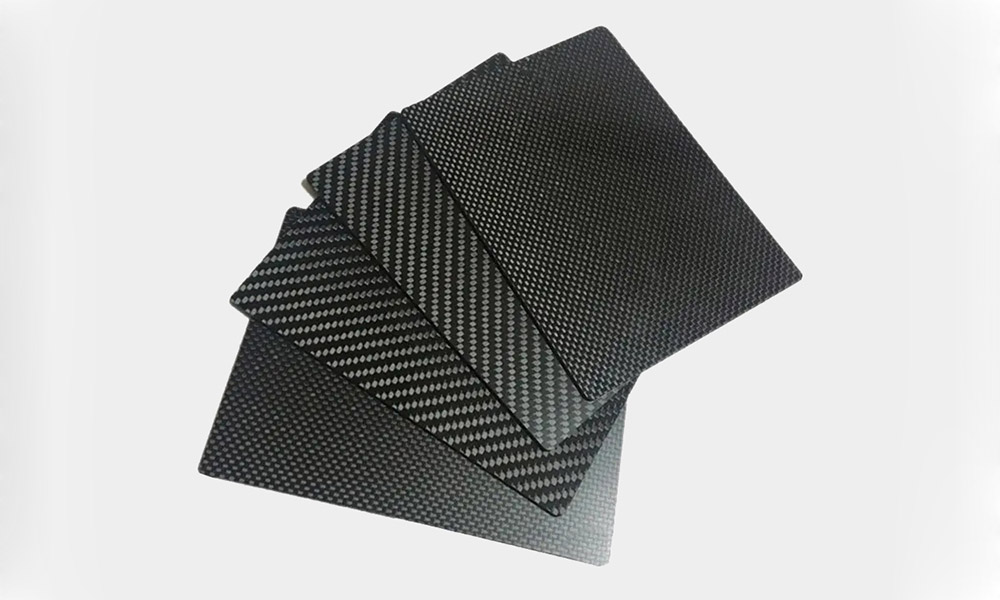
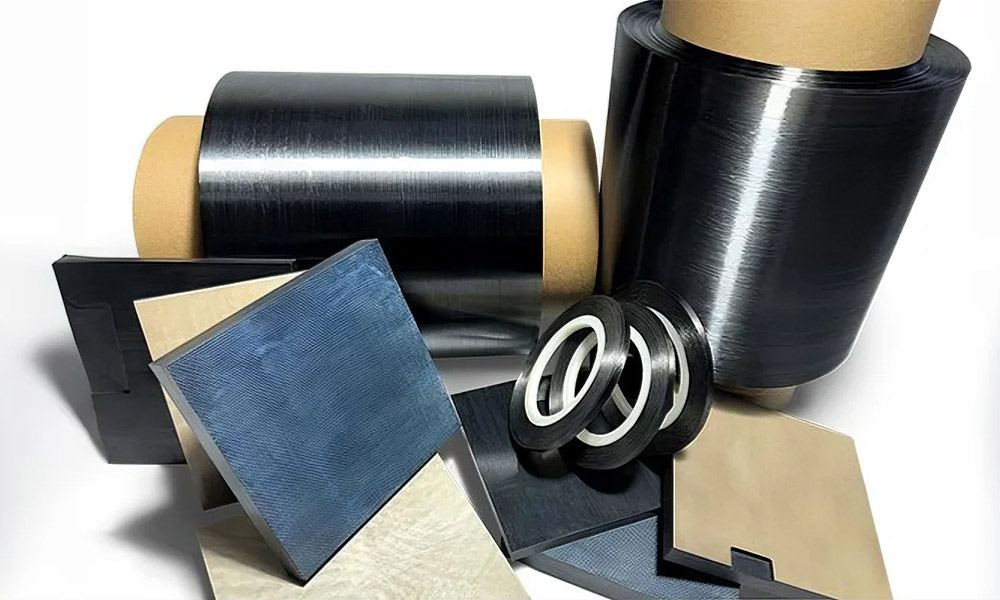
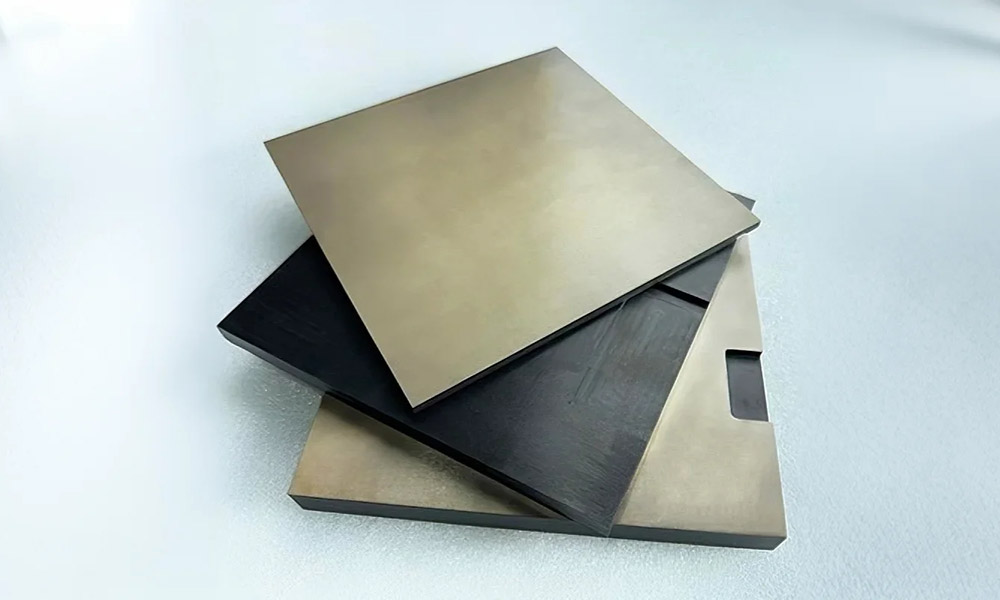
炭素繊維ボードの製造は、まず炭素繊維プリプレグを積層し、その後高温で硬化させる。硬化後、安定性を高めるために塗装と研磨が施される。炭素繊維ボード、特に薄いものは指を切りやすいため、安全のために塗装、研磨、断面研磨を行う必要がある。 研削・研磨の工程は、粗研磨と精研磨の2段階。この工程で表面の欠陥を取り除き、滑らかさと清潔さを確保する。その後、炭素繊維の粉塵を除去するための洗浄が行われる。塗装と研磨を組み合わせることで、炭素繊維ボードは望ましい品質基準を満たすことができる。

業界情報

炭素繊維ラミネートの用途と性能上の利点を探る

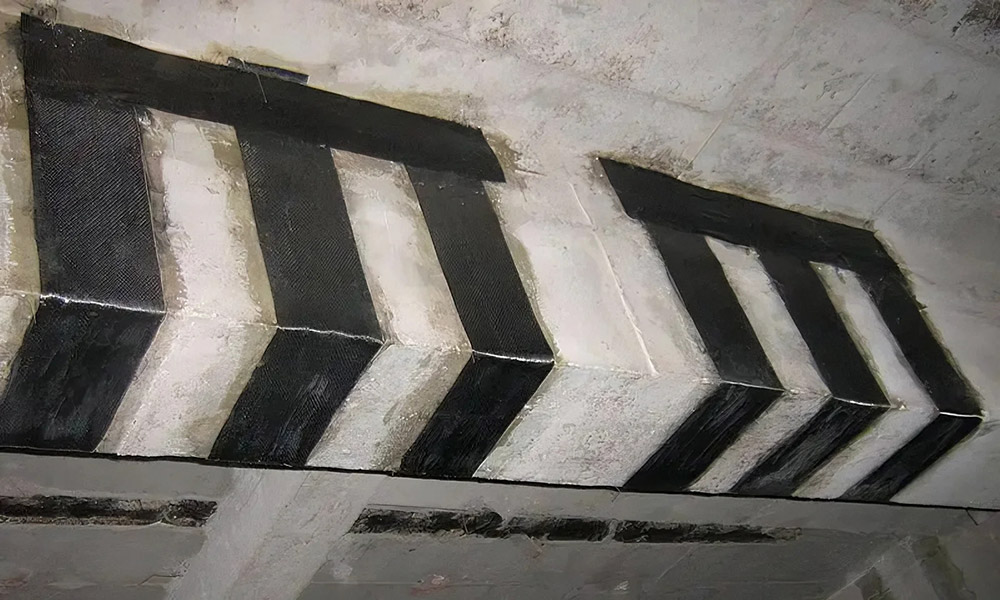
炭素繊維ラミネートの用途建築・高層構造物梁、柱、スラブのアップグレード橋梁と陸橋橋梁のデッキ、桁、支柱の耐荷重性を向上させます。工業用建物工場、倉庫、発電所の補強海洋構造物ドック、桟橋、海上プラットフォームなどの腐食や磨耗を防止します。トンネルと地下システムトンネルの内張りや地下鉄インフラの安定化水管理構造物放水路、貯水池、擁壁の補強文化遺産の保護歴史的建造物の外観を維持しながら補強する。炭素繊維ラミネートの利点構造強化のための卓越した強度対重量比。優れた耐食性により、長期的な信頼性を確保。繰り返し荷重に対する高い疲労耐性曲げ強度が強く、耐荷重性が向上します。軽量設計により、取り扱いが容易

会社ニュース

炭素繊維ラミネートの種類とは?

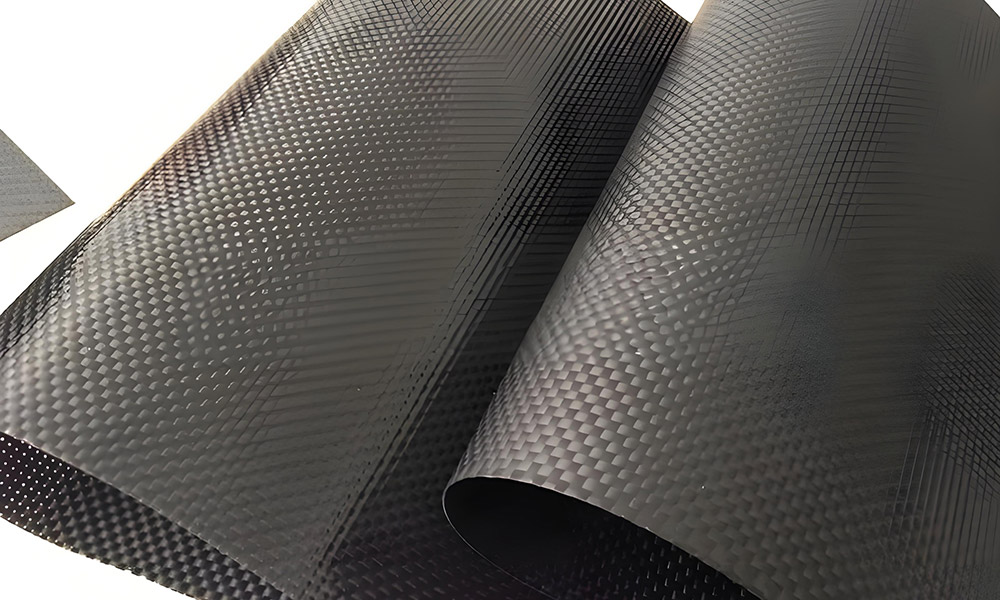
1.一方向炭素繊維ラミネート:このタイプは、梁、プレート、柱の強化によく利用される。構造荷重が主に方向性を持つ場合に特に有効です。鉄筋コンクリート構造の曲げやせん断耐力を大幅に向上させます。2.プリプレグ炭素繊維ラミネート:橋梁の修復や耐震補強など、高精度の補強作業に広く採用されている。これらのプロジェクトでは、繊維と樹脂の比率を正確に調整する必要があるが、このラミネート・タイプはそれを効果的に実現する。3.引抜炭素繊維ラミネート:橋、トンネル、高層ビルなどのインフラ補強によく使用される。その際立った特徴には、卓越した耐荷重性と耐腐食性がある。均一な断面設計により、一貫した機械的特性が保証され、理想的な材料となる。

業界情報

炭素繊維強化鋼構造物の表面処理はどのように行うか?

Steel Surface Preparation Steps: 1. Marking: Define the area where carbon fiber sheets are to be applied. 2. Grinding: Grind the marked steel surface to achieve flatness and remove rust or oxides. Begin with coarse sandpaper to smooth the surface, applying even pressure. Finish with fine sandpaper in a cross-grinding pattern. 3. Cleaning: Use cotton balls soaked in alcohol or acetone to clean the application area, eliminate contaminants, and allow it to dry completely. 4. Adhesive Application: Prepare carbon fiber adhesive and evenly apply it to the steel substrate using a brush. 5. Carbon Fiber Sheet Installation: Place the carbon fiber sheet onto the steel substrate. Ensure the adhesive fully penetrates the sheet, allowing excess

会社ニュース

洋上での石油・ガス採掘と生産活動において、複合材料はどこで利用されているのか?

1. Underwater pipeline systems Flexible composite pipes are highly favored in deepwater oil and gas fields for their outstanding corrosion resistance, fatigue endurance, ease of installation, and adaptability to challenging seafloor topography. These pipes are commonly deployed as risers, production pipelines, and jumper connections. 2. Offshore platform construction Composite materials are extensively utilized in platform decking, equipment modules, accommodation facilities, helicopter landing pads, and walkway grating. Their lightweight nature, superior corrosion resistance, and minimal maintenance requirements make them ideal for harsh marine environments. 3. Pressure containment vessels Composite pressure vessels provide safe and efficient storage solutions for gases and liquids in offshore operations, leveraging their exceptional strength-to-weight ratio and resistance

jaJapanese
トップに戻る