Esplorazione della forza e della versatilità della traina continua in fibra di carbonio 12k nella produzione moderna
In the rapidly evolving landscape of modern manufacturing, the quest for materials that offer exceptional strength, lightweight properties, and adaptability has never been more critical. Among the frontrunners in this domain is continuous carbon fiber tow 12k, a material that has redefined the possibilities in various industries. But what exactly makes this material so special? How does it stand out in a crowded market? And what challenges does it present to manufacturers? This article delves into these questions, shedding light on the strengths and versatility of continuous carbon fiber tow 12k.
What Makes Continuous Carbon Fiber Tow 12k Unique?

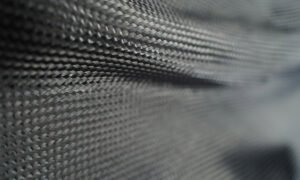
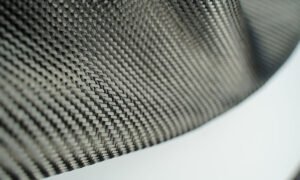
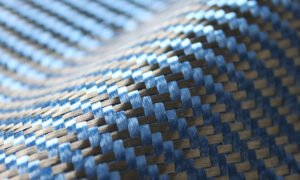
Continuous carbon fiber tow 12k is distinguished by its high tensile strength, low density, and exceptional durability. Unlike traditional materials, carbon fiber offers a unique combination of properties that make it ideal for applications where weight reduction and strength are paramount. The “12k” in its name refers to the number of individual carbon filaments woven together, with each tow containing 12,000 filaments. This high filament count significantly enhances the material’s strength and stiffness, making it a preferred choice for high-performance components.
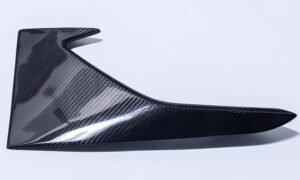
One of the key advantages of continuous carbon fiber tow 12k is its ability to be molded into complex shapes while maintaining structural integrity. This flexibility is particularly valuable in industries such as aerospace, automotive, and sports equipment, where components often need to withstand extreme conditions. Additionally, carbon fiber’s resistance to corrosion and fatigue further solidifies its position as a material of choice for demanding applications.
Challenges in Manufacturing with Continuous Carbon Fiber Tow 12k
Despite its numerous benefits, manufacturing with continuous carbon fiber tow 12k presents several challenges. The material’s brittleness, for instance, can make it difficult to handle without the risk of damage. Furthermore, the high costs associated with carbon fiber production and the complexity of the manufacturing process can be significant barriers for some manufacturers.
Another challenge is the need for specialized equipment and expertise to work with carbon fiber effectively. This includes high-temperature ovens for curing, advanced resin systems, and precision machinery for layup and consolidation. The learning curve for mastering carbon fiber manufacturing can be steep, requiring substantial investment in training and infrastructure.
Applications Across Various Industries
The versatility of continuous carbon fiber tow 12k is evident in its wide range of applications across various industries. In the aerospace sector, carbon fiber is used to construct aircraft fuselages, wings, and interiors, contributing to lighter, more fuel-efficient aircraft. The automotive industry leverages carbon fiber to create high-performance vehicles with improved fuel efficiency and reduced emissions. In the sports equipment market, carbon fiber is the go-to material for manufacturing bicycles, tennis rackets, and golf clubs, where lightweight and high-strength properties are crucial.
Beyond these industries, continuous carbon fiber tow 12k is also finding applications in wind energy, marine design, and even medical devices. Its ability to withstand harsh environments while maintaining structural integrity makes it a valuable material for innovative projects.
Condividere intuizioni e buone pratiche
For manufacturers looking to incorporate continuous carbon fiber tow 12k into their processes, sharing insights and best practices can be incredibly beneficial. Collaborative efforts among industry stakeholders can help overcome challenges and optimize production techniques. For example, companies that have successfully implemented carbon fiber manufacturing can share their experiences, providing valuable lessons for others.
Additionally, investing in research and development to create more cost-effective and sustainable production methods is essential. Innovations in automation, 3D printing, and advanced resin systems can help make carbon fiber more accessible and affordable, paving the way for broader adoption.
Conclusione
Continuous carbon fiber tow 12k stands out as a revolutionary material in modern manufacturing, offering unparalleled strength, lightweight properties, and adaptability. While it presents challenges in terms of manufacturing complexity and cost, its benefits far outweigh the drawbacks, especially when considering its wide range of applications. By sharing insights, investing in innovation, and collaborating across industries, manufacturers can harness the full potential of continuous carbon fiber tow 12k, driving advancements and setting new standards in various sectors.