
Esplorazione della resistenza e delle applicazioni della fibra di carbonio a modulo standard 230 GPa
Carbon fiber has become a cornerstone material in modern engineering, offering unparalleled strength-to-weight ratios and exceptional performance characteristics. Among the various types of carbon fibers available, Standard Modulus carbon fiber, with its impressive 230 GPa (gigapascals) tensile strength, stands out for its versatility and reliability. But what exactly makes this material so special? How does it compare to other carbon fibers? And what are its most significant applications? Let’s delve into these questions to uncover the strengths and uses of Standard Modulus carbon fiber.
What Makes Standard Modulus Carbon Fiber Unique?
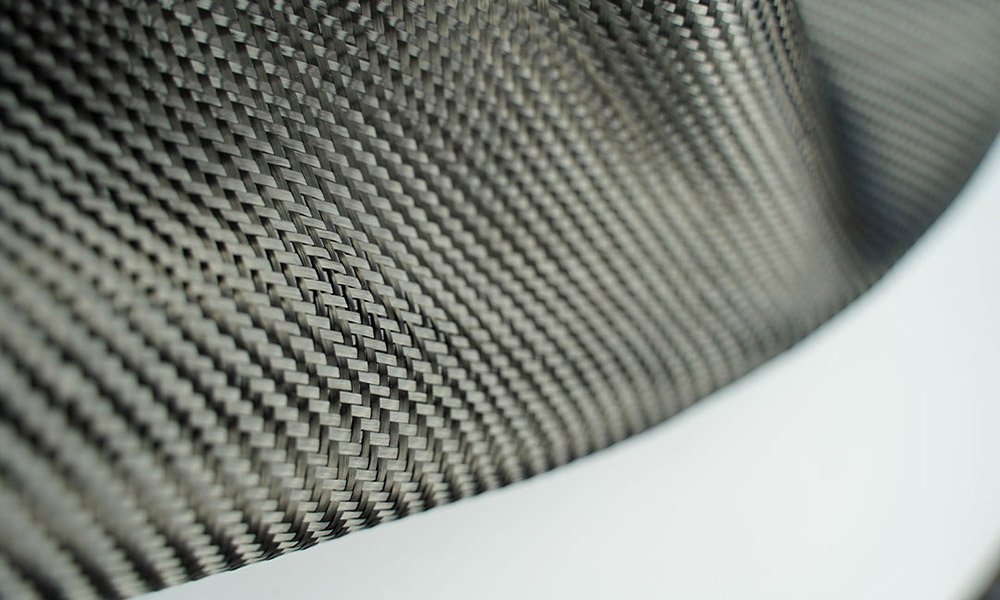
Standard Modulus carbon fiber is distinguished by its high tensile strength and stiffness, making it an ideal choice for a wide range of applications. The term “Standard Modulus” refers to the material’s Young’s modulus, which measures its stiffness. A higher Young’s modulus indicates greater stiffness, allowing the material to resist deformation under stress.
Unlike high-modulus carbon fibers, which offer exceptional stiffness but can be more brittle, Standard Modulus carbon fiber strikes a balance between strength and flexibility. This balance makes it suitable for applications where both strength and ductility are crucial. Additionally, Standard Modulus carbon fiber is typically more cost-effective than high-modulus varieties, making it an attractive option for industries looking to optimize performance without breaking the bank.
How Does Standard Modulus Carbon Fiber Compare to Other Types?
When comparing Standard Modulus carbon fiber to other types, such as High-Modulus and Medium-Modulus carbon fibers, several key differences emerge. High-Modulus carbon fibers, as the name suggests, offer even greater stiffness but often at the expense of toughness. Medium-Modulus carbon fibers provide a compromise between the two, offering moderate strength and stiffness.
In terms of tensile strength, Standard Modulus carbon fiber typically ranges between 230 and 300 GPa, depending on the specific grade. This places it in a competitive position against other carbon fibers. However, its real advantage lies in its versatility. While high-modulus carbon fibers excel in applications requiring high stiffness, such as aerospace components, Standard Modulus carbon fiber’s balance of strength and flexibility makes it more suitable for a broader range of uses.
Key Applications of Standard Modulus Carbon Fiber
Given its unique properties, Standard Modulus carbon fiber finds applications in numerous industries. One of the most prominent sectors is aerospace, where it is used in the construction of aircraft fuselages, wings, and other structural components. The material’s high strength-to-weight ratio helps reduce overall weight, improving fuel efficiency and performance.
Another key application is in the automotive industry. Standard Modulus carbon fiber is used in the production of high-performance vehicles, including sports cars and electric cars. Its lightweight and strong properties help enhance vehicle handling, acceleration, and overall driving experience. Additionally, the material’s resistance to corrosion makes it an ideal choice for exterior components.
Beyond aerospace and automotive, Standard Modulus carbon fiber is also widely used in the sporting goods industry. It is found in the manufacturing of bicycle frames, golf clubs, tennis rackets, and other sports equipment. These applications benefit from the material’s ability to withstand high stress while maintaining a lightweight design.
Sharing Insights: Why Choose Standard Modulus Carbon Fiber?
For engineers and designers, choosing the right material is crucial. Standard Modulus carbon fiber offers several advantages that make it a compelling choice. First, its cost-effectiveness compared to high-modulus varieties allows for more budget-friendly projects without compromising on performance. Second, its balance of strength and flexibility provides the versatility needed for a wide range of applications.
Moreover, Standard Modulus carbon fiber is known for its reliability. Manufacturers can count on consistent quality and performance, ensuring that products meet stringent industry standards. This reliability is particularly important in industries where safety and durability are paramount, such as aerospace and automotive.
Conclusione
Standard Modulus carbon fiber, with its impressive 230 GPa tensile strength, offers a unique combination of strength, stiffness, and cost-effectiveness. Its versatility makes it suitable for a wide range of applications, from aerospace and automotive to sporting goods and beyond. By understanding the strengths and uses of Standard Modulus carbon fiber, engineers and designers can make informed decisions that enhance performance and efficiency. As the demand for lightweight, high-strength materials continues to grow, Standard Modulus carbon fiber will undoubtedly remain a key player in the future of advanced materials.








 Italian
  English
  German
  French
  Portuguese
  Japanese
  Russian
  Spanish
  Arabic