
Carbon fiber drones represent the pinnacle of UAV technology, leveraging the unique properties of carbon fiber to deliver superior performance, efficiency, and durability. Unlike drones constructed from conventional materials, carbon fiber drones are engineered to excel in demanding environments, making them the preferred choice for professional and commercial users. Understanding the key components of carbon fiber drones and insights into performance optimization is essential for maximizing their capabilities and getting the most out of your UAV investment.
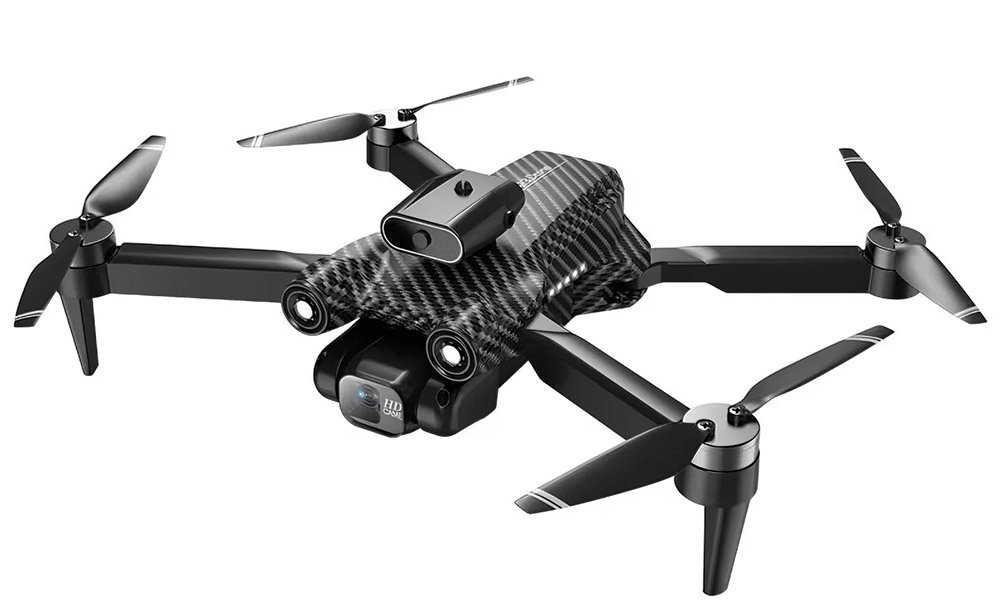
The key components of a carbon fiber drone are designed to work in harmony to deliver exceptional performance. The airframe, which includes the fuselage, arms, and landing gear, is typically made from carbon fiber composite materials. The fuselage provides structural support for the drone’s internal components, such as the flight controller, battery, and motors, while the arms extend outward to mount the propellers. Carbon fiber’s lightweight and rigid properties ensure the airframe is strong enough to withstand flight stresses while minimizing overall weight. The landing gear, often reinforced with carbon fiber, is designed to absorb impact during takeoff and landing, protecting the drone’s delicate internal components.
Another critical component is the propellers. Carbon fiber propellers offer higher strength and efficiency compared to plastic or wooden propellers. They are more resistant to bending and breaking, even at high speeds, and their rigid design ensures consistent airflow, improving thrust and maneuverability. The flight controller, while not always made from carbon fiber, benefits from the drone’s lightweight design, as it can process flight data more efficiently without the added strain of a heavy airframe. Additionally, carbon fiber is used in the construction of camera gimbals for aerial photography drones, providing stable support for cameras and reducing vibration-induced blur.
Performance optimization of a carbon fiber drone begins with understanding the relationship between weight, power, and aerodynamics. One key insight is to minimize unnecessary weight. While carbon fiber is already lightweight, adding excess accessories or payloads can reduce flight time and maneuverability. Choosing lightweight, high-quality payloads and accessories, such as compact cameras or lightweight batteries, will help maintain the drone’s efficiency. Additionally, ensuring the drone’s components are properly assembled and secured will prevent excess vibration, which can degrade performance and cause premature wear on components.

Aerodynamic optimization is another crucial factor in enhancing performance. The shape of the carbon fiber airframe plays a significant role in reducing drag and improving flight efficiency. Smooth, streamlined surfaces minimize air resistance, allowing the drone to fly faster and more efficiently. Regular inspection of the airframe for damage, such as cracks or dents, is essential, as even minor imperfections can disrupt aerodynamics. Additionally, optimizing the propeller size and pitch to match the drone’s motor and battery capabilities will improve thrust and energy efficiency, extending flight time.
Battery management is also key to performance optimization. Carbon fiber drones are designed to be energy-efficient, but proper battery care and usage will further extend flight time. Using high-quality lithium-polymer batteries that are compatible with the drone’s power requirements will ensure consistent performance. Avoiding overcharging or deep discharging the battery, as well as storing it in a cool, dry environment, will help preserve its lifespan. Additionally, monitoring battery levels during flight and planning missions accordingly will prevent unexpected power failures.
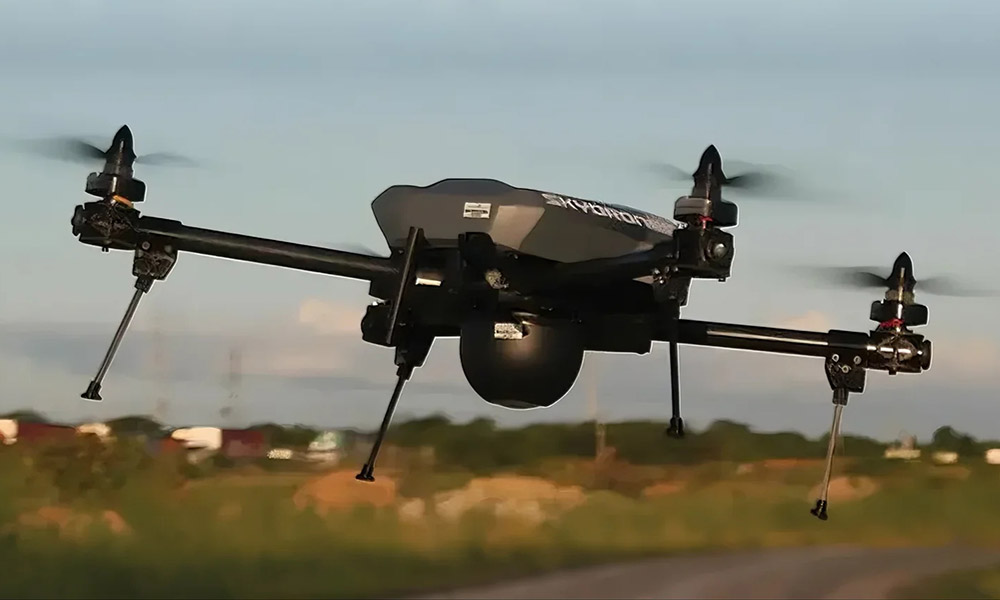
Software optimization is another important aspect of maximizing a carbon fiber drone’s performance. Updating the drone’s firmware regularly ensures access to the latest flight control algorithms, which can improve stability, maneuverability, and GPS accuracy. Calibrating the flight controller and sensors, such as the gyroscope and accelerometer, before each flight will ensure precise flight control and reduce the risk of errors. Additionally, using flight planning software to map out missions in advance can help optimize flight paths, reducing unnecessary movements and conserving battery life.
Common applications of carbon fiber drones include aerial surveying, infrastructure inspection, cinematography, and search and rescue operations. In each of these applications, performance optimization is critical to achieving accurate results and ensuring mission success. For example, in aerial surveying, a stable, efficient drone will capture more precise data, while in search and rescue, extended flight time and maneuverability can mean the difference between success and failure. By understanding the key components and implementing performance optimization strategies, you can unlock the full potential of your carbon fiber drone and achieve exceptional results in any application.



 Italian
  English
  German
  French
  Portuguese
  Japanese
  Russian
  Spanish
  Arabic