
Aramid Kevlar fiber fabric is a high-performance material renowned for its exceptional strength and resistance to impact, heat, and chemicals. Developed as an advanced synthetic fiber, it has revolutionized industries that require materials capable of withstanding extreme conditions. Whether used in protective gear or industrial components, understanding its key characteristics and applications is crucial for maximizing its potential.
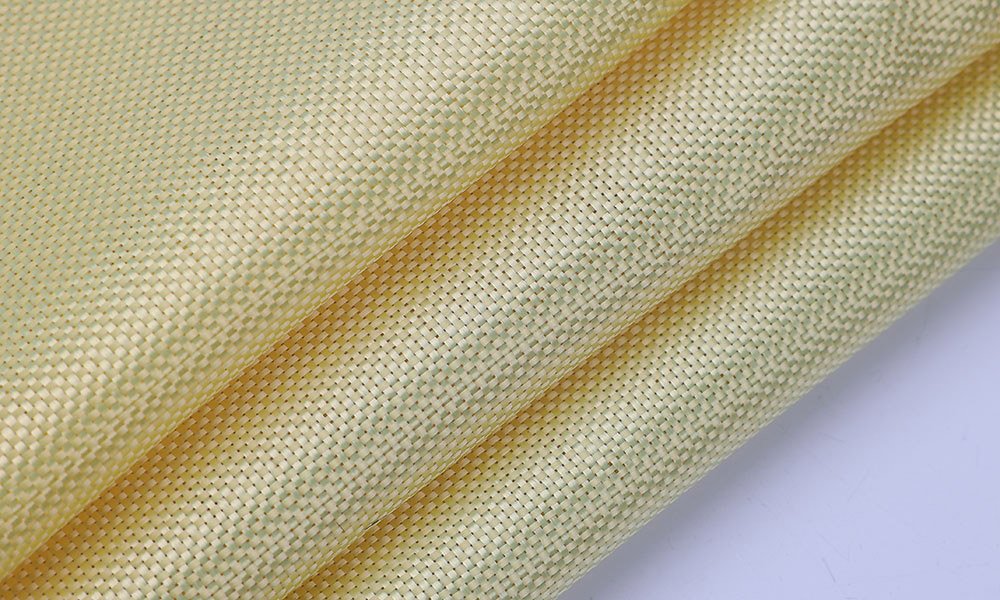
A defining characteristic of Aramid Kevlar fiber fabric is its extraordinary tensile strength. Pound for pound, it is significantly stronger than steel, making it an excellent choice for applications where high strength and low weight are essential. This strength is retained even when the fabric is exposed to elevated temperatures, as it has a high decomposition temperature and does not melt like many other synthetic fibers. Unlike materials that become brittle or lose strength under heat, Aramid Kevlar fiber fabric maintains its structural integrity in temperatures up to several hundred degrees Fahrenheit, making it suitable for high-heat environments.
Another critical property is its impact resistance. The fabric’s structure allows it to absorb and dissipate energy efficiently, making it ideal for protective applications. It also exhibits excellent chemical resistance, able to withstand exposure to many solvents, acids, and bases without degrading. Additionally, Aramid Kevlar fiber fabric is resistant to abrasion and cutting, further enhancing its durability in harsh conditions.
The applications of Aramid Kevlar fiber fabric are diverse and centered on its protective and high-strength properties. In the personal protective equipment (PPE) sector, it is widely used in bulletproof vests, stab-resistant clothing, and gloves for law enforcement, military personnel, and industrial workers. Its ability to stop projectiles and resist cuts makes it a life-saving material in these contexts. In the aerospace industry, it is used in aircraft components such as engine parts, insulation, and structural reinforcements, where its lightweight strength and heat resistance contribute to improved performance and safety.
The automotive industry utilizes Aramid Kevlar fiber fabric for high-performance brake pads, tires, and body components, as it enhances durability and reduces weight. In the marine industry, it is used in boat hulls, sails, and ropes, where its resistance to water, UV radiation, and abrasion ensures long-term performance. Additionally, it finds applications in the sports industry for equipment like motorcycle jackets, racing suits, and composite materials for sports gear. When working with Aramid Kevlar fiber fabric, it is important to note that it is sensitive to UV radiation over prolonged exposure, so proper coating or encapsulation may be necessary for outdoor applications. By understanding its properties and limitations, Aramid Kevlar fiber fabric can be effectively integrated into a wide range of high-performance applications.

 Italian
  English
  German
  French
  Portuguese
  Japanese
  Russian
  Spanish
  Arabic