
Carbon fiber composite panels, often referred to as carbon fiber boards, have become a staple across diverse industries thanks to their outstanding tensile strength and long-term durability. Fabricated by bonding carbon fibers with a resin matrix, these panels boast a strength-to-weight ratio that outperforms traditional materials—being approximately five times stronger than steel while significantly lighter.
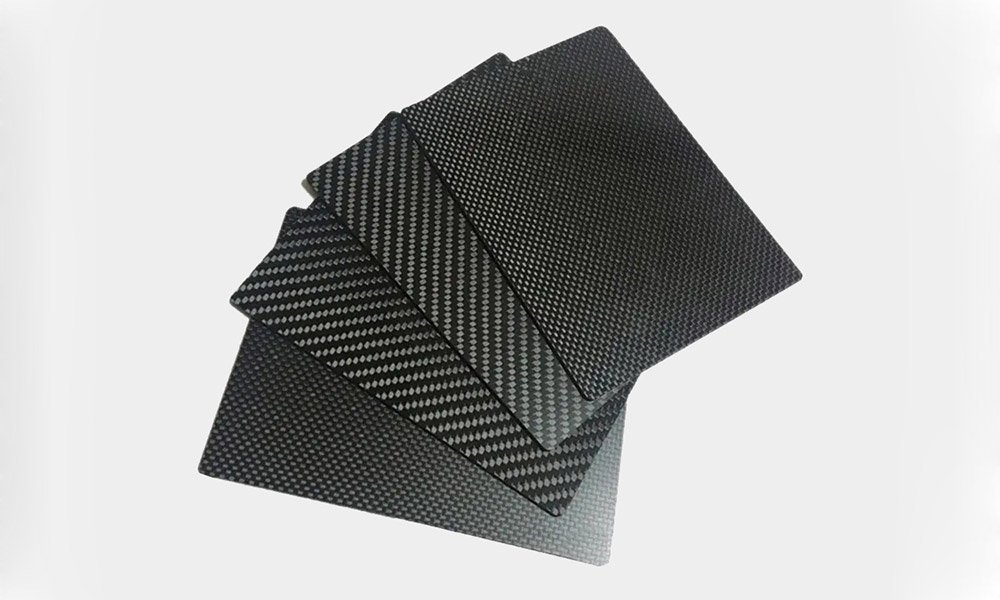
One of the primary sectors leveraging carbon fiber panels is aerospace, where they are integral to manufacturing aircraft fuselages, wings, and spacecraft components. The automotive industry also relies heavily on these panels, particularly for high-performance vehicles and racing cars, as their lightweight properties enhance speed and fuel efficiency. Beyond aerospace and automotive, the sports equipment industry incorporates carbon fiber panels into products like high-end bicycles, golf club shafts, and tennis rackets, where strength and reduced weight directly improve athletic performance.
When compared to conventional materials such as steel and aluminum, carbon fiber composite panels stand out due to their superior strength-to-weight ratio. This unique characteristic allows them to withstand substantial mechanical stress and pressure without adding excessive weight, making them ideal for applications where weight minimization is a critical factor—such as in aerospace engineering and competitive sports gear.
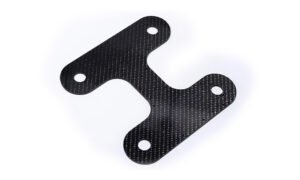
Additionally, carbon fiber panels exhibit remarkable resistance to chemical corrosion and extreme temperature fluctuations, rendering them suitable for use in harsh operating environments. Their inherent versatility also enables customization to meet specific design specifications, from complex geometric shapes to tailored strength properties, further expanding their industrial applicability.
In summary, carbon fiber composite panels offer a compelling combination of exceptional strength, durability, and adaptability, positioning them as a preferred material across multiple industries. With their unparalleled performance advantages and design flexibility, these panels are poised to maintain a pivotal role in advanced manufacturing and product development for the foreseeable future.


 Italian
  English
  German
  French
  Portuguese
  Japanese
  Russian
  Spanish
  Arabic