
Tissu en fibre de carbone
Catégories
nous contacter
- WhatsApp : 8618921275456
- +86-510-86890852
- +86-18921275456
- sales@sino-grate.com
- +86-510-86267050
- NO. 21 Zhihui Road, Huishan District, Wuxi, Jiangsu, Chine
Tissu en fibre de carbone
Détail du produit
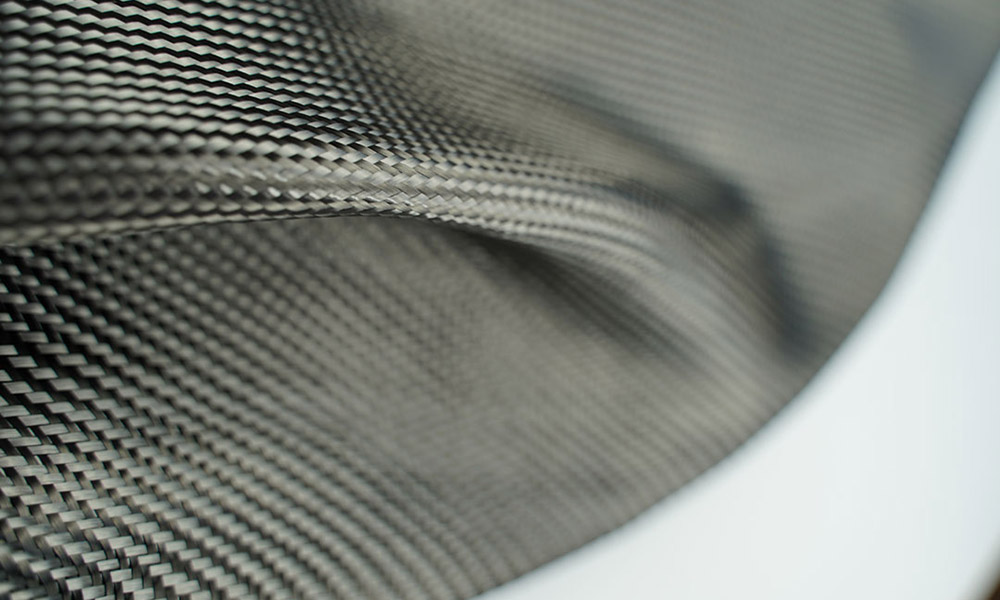
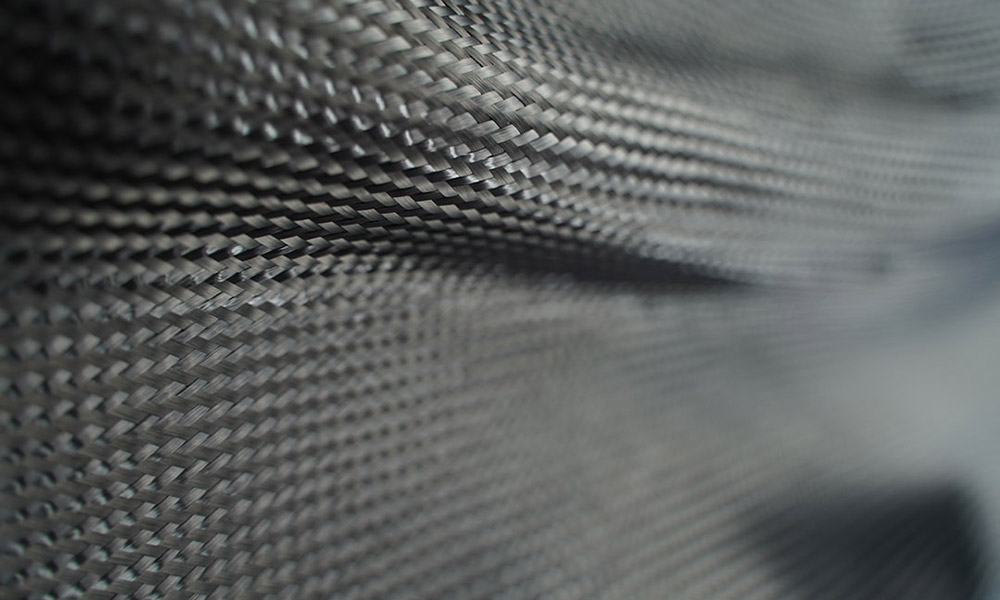
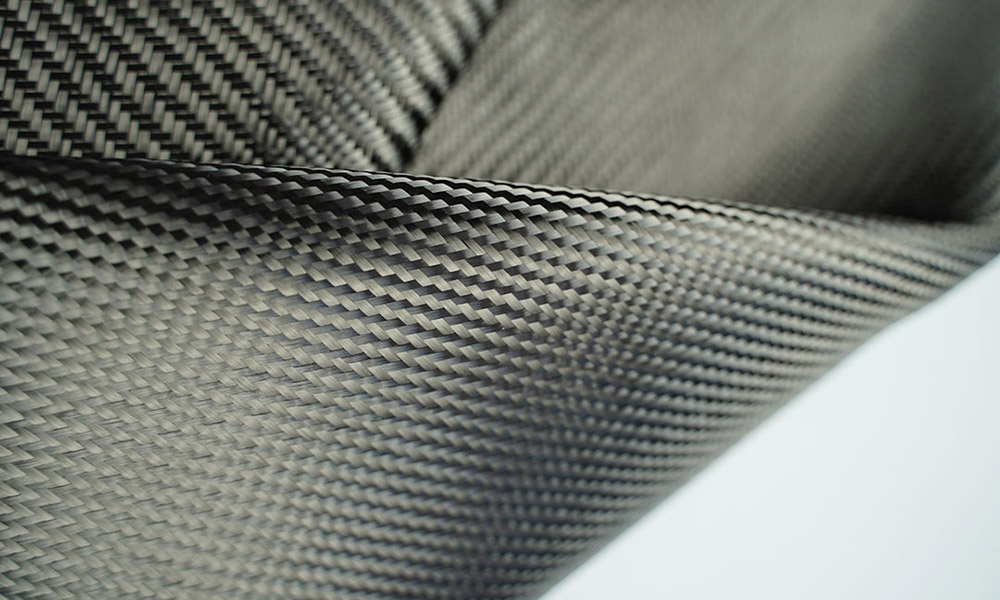
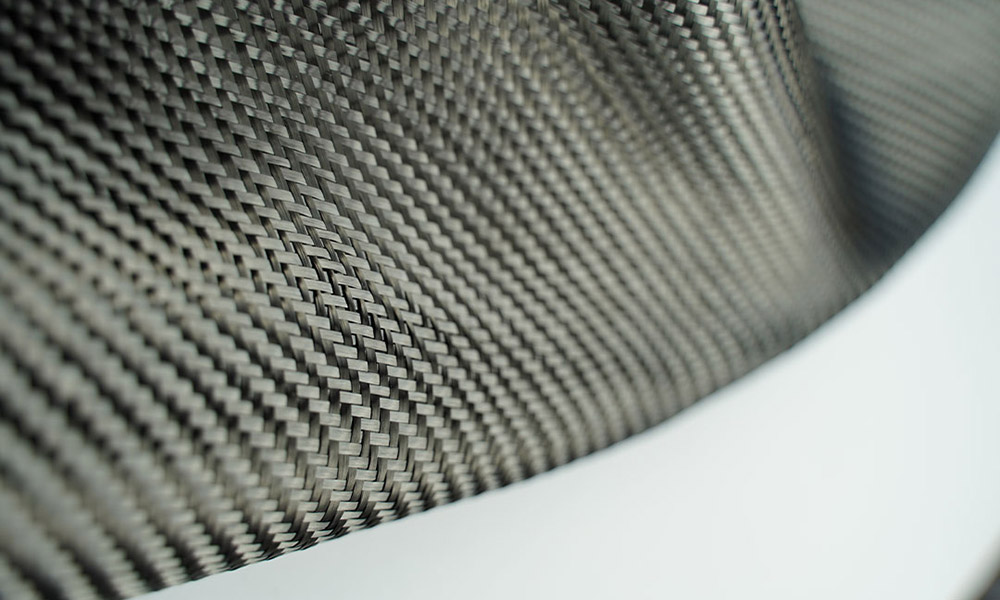
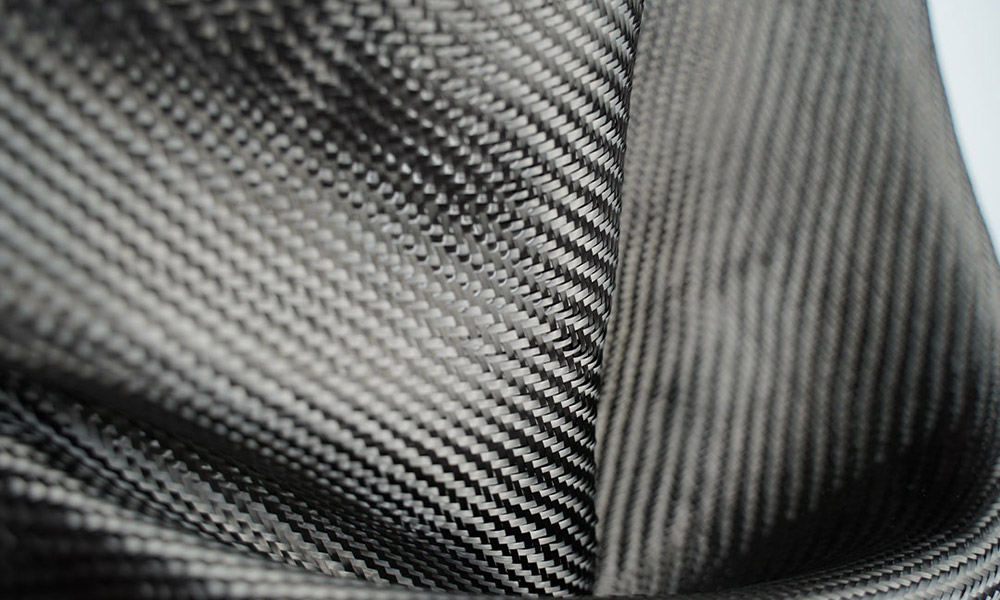
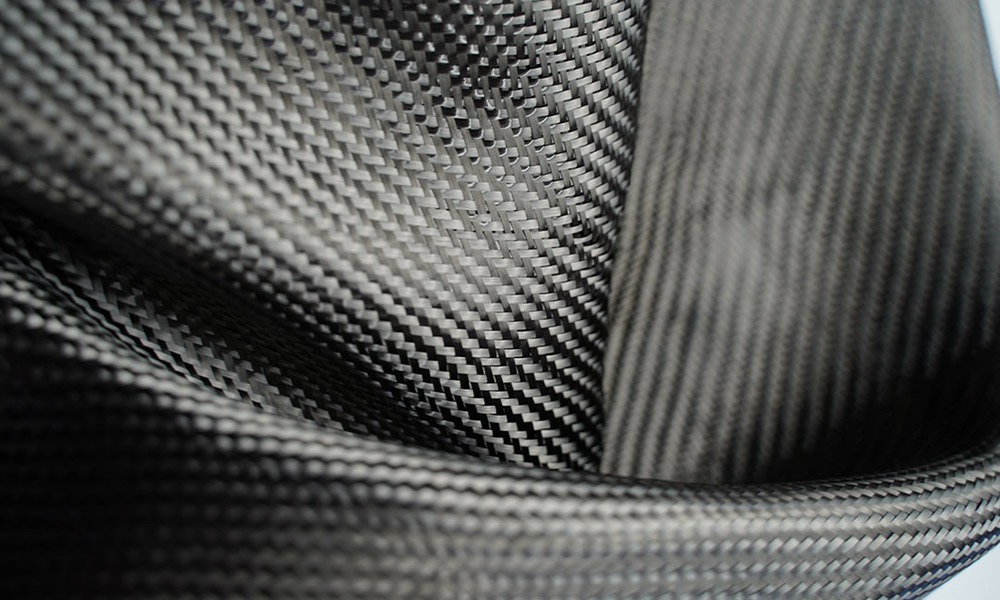
Carbon fiber woven cloth is a kind of cloth formed by weaving single carbon fiber fibers together. Due to the special properties of carbon fiber itself, carbon fiber woven cloth usually has the advantages of extremely high strength, rigidity, high temperature resistance, and light weight, so it is widely used in many high-end technology fields.
Material properties
Carbon fiber itself is composed of carbon elements. After special treatment, it can form very hard and light fibers. The main characteristics of carbon fiber woven cloth include:
- Strength and rigidity: The strength of carbon fiber is more than 5 times that of steel, but the density is much lighter than steel, usually only about 1/4 of aluminum. Therefore, carbon fiber woven cloth can provide very high mechanical strength.
- Lightweight: The low density of carbon fiber woven cloth means that it is very light while providing the same strength, so it is widely used in fields that require lightweight, such as aerospace and automobile manufacturing.
- High temperature resistance: Carbon fiber can maintain strength at high temperatures, usually can withstand temperatures of several hundred degrees Celsius, and is suitable for use in high temperature environments.
- Corrosion resistance: Carbon fiber is not easily corroded by chemicals, has good corrosion resistance, and is suitable for use in harsh environments.
- Electrical conductivity and thermal conductivity: Carbon fiber has certain electrical conductivity and thermal conductivity, so it has unique applications in some special fields.
Weaving method
Carbon fiber woven cloth can achieve different properties and structures through different weaving methods. Common weaving methods are:
- Plain weave: The carbon fiber is interwoven longitudinally and transversely to form a uniform grid structure with good strength and rigidity, which is suitable for general applications.
- Twill weave: The interweaving angle of carbon fiber is 45°. This weaving method can provide better bending resistance and flexibility, and is suitable for certain applications that require bending performance.
- Satin weave: A more complex interweaving method is adopted. The fibers are interwoven along the diagonal line, with a smooth surface and good aesthetics. It is suitable for occasions that require exquisite appearance or high strength requirements.
Le number of single fibers in a carbon fiber tow
1K、3K、6K、12K、24K
Domaines d'application
The high performance of carbon fiber woven cloth makes it used in many fields, including:
- Aerospace: Due to its lightweight and high strength, carbon fiber woven cloth is widely used in aircraft structures, spacecraft and other fields.
- Automotive industry: Used to manufacture the body and structural parts of high-performance cars such as racing cars and supercars to help reduce vehicle weight and improve performance.
- Sports equipment: such as bicycle frames, golf clubs, tennis rackets, etc., the use of carbon fiber woven cloth can improve the strength and flexibility of sports equipment while reducing weight.
- Construction and wind power generation: Carbon fiber woven cloth is also used in the fields of structural reinforcement and repair in the construction industry, the manufacture of wind turbine blades, etc., to improve the durability and stability of buildings and equipment.
Composite material application
In many applications, carbon fiber woven cloth is not used alone, but combined with resin materials (such as epoxy resin, polyester resin, etc.) to make carbon fiber composite materials. This composite material combines carbon fiber woven cloth with resin to form a strong and lightweight material during the hardening process, which is widely used in the manufacture of high-performance parts and structural parts.
Processus de production
The process of producing carbon fiber woven cloth usually includes:
- Manufacturing of carbon fiber: First, organic materials (such as polyacrylonitrile) are carbonized at high temperature to obtain carbon fiber.
- Weaving process: The single carbon fiber fibers are interwoven into cloth according to the predetermined weaving method.
- Resin impregnation and curing: The woven cloth is impregnated with resin and cured to form the final composite material.
Avantages :
- Extremely high strength and rigidity.
- Excellent lightweight performance, reducing structural weight.
- Good high temperature and corrosion resistance.
- Good electrical and thermal conductivity.
- Performance can be adjusted through different weaving methods.
Parameter Specification Table
| N° de pièce | Spécification des fibres | Nombre de fibres (10 mm) | Tissage | Poids (g/m2) | Épaisseur (mm) | Largeur (mm) | ||
| Distorsion | Trame | Distorsion | Trame | |||||
| KP0400082 | Kevlar400 | Kevlar400 | 9.5 | 9.5 | Plaine | 82 | 0.08 | 100-1500 |
| KT0400082 | Kevlar400 | Kevlar400 | 9.5 | 9.5 | Sergé | 82 | 0.08 | 100-1500 |
| KP1000155 | Kevlar1000 | Kevlar1000 | 7 | 7 | Plaine | 155 | 0.24 | 100-1500 |
| KT1000155 | Kevlar1000 | Kevlar1000 | 7 | 7 | Sergé | 155 | 0.24 | 100-1500 |
| KP1000180 | Kevlar1000 | Kevlar1000 | 8 | 8 | Plaine | 180 | 0.25 | 100-1500 |
| KT1000180 | Kevlar1000 | Kevlar1000 | 8 | 8 | Sergé | 180 | 0.25 | 100-1500 |
| KP1000200 | Kevlar1000 | Kevlar1000 | 9 | 9 | Plaine | 200 | 0.26 | 100-1500 |
| KT1000200 | Kevlar1000 | Kevlar1000 | 9 | 9 | Sergé | 200 | 0.26 | 100-1500 |
| KP1000220 | Kevlar1000 | Kevlar1000 | 10 | 10 | Plaine | 220 | 0.28 | 100-1500 |
| KT1000220 | Kevlar1000 | Kevlar1000 | 10 | 10 | Sergé | 220 | 0.28 | 100-1500 |
| KP1500170 | Kevlar1500 | Kevlar1500 | 5 | 5 | Plaine | 170 | 0.22 | 100-1500 |
| KT1500170 | Kevlar1500 | Kevlar1500 | 5 | 5 | Sergé | 170 | 0.22 | 100-1500 |
| KP1500185 | Kevlar1500 | Kevlar1500 | 5.5 | 5.5 | Plaine | 185 | 0.24 | 100-1500 |
| KT1500185 | Kevlar1500 | Kevlar1500 | 5.5 | 5.5 | Sergé | 185 | 0.24 | 100-1500 |
| KP1500205 | Kevlar1500 | Kevlar1500 | 6 | 6 | Plaine | 205 | 0.26 | 100-1500 |
| KT1500205 | Kevlar1500 | Kevlar1500 | 6 | 6 | Sergé | 205 | 0.26 | 100-1500 |
| KP1500220 | Kevlar1500 | Kevlar1500 | 6.5 | 6.5 | Plaine | 220 | 0.28 | 100-1500 |
| KT1500220 | Kevlar1500 | Kevlar1500 | 6.5 | 6.5 | Sergé | 220 | 0.28 | 100-1500 |
| KP1500240 | Kevlar1500 | Kevlar1500 | 7 | 7 | Plaine | 240 | 0.30 | 100-1500 |
| KT1500240 | Kevlar1500 | Kevlar1500 | 7 | 7 | Sergé | 240 | 0.30 | 100-1500 |
| KP3000440 | Kevlar3000 | Kevlar3000 | 6.7 | 6.7 | Plaine | 440 | 0.42 | 100-1500 |
| KT3000440 | Kevlar3000 | Kevlar3000 | 6.7 | 6.7 | Sergé | 440 | 0.42 | 100-1500 |


 French
  English
  German
  Portuguese
  Japanese
  Russian
  Italian
  Spanish
  Arabic