Points de vue d'experts : Processus de fabrication et avantages du capuchon d'étambot en composite de carbone pour éoliennes
Wind energy continues to be a cornerstone of renewable energy solutions, and the efficiency and durability of wind turbine components are critical to its success. One such critical component is the spar cap, which plays a vital role in ensuring the structural integrity of the turbine. In recent years, carbon composite spar caps have gained prominence due to their superior properties. But what exactly goes into manufacturing these high-performance components, and what advantages do they offer over traditional materials? Experts in the field provide valuable insights into these questions.
What Are Carbon Composite Spar Caps?
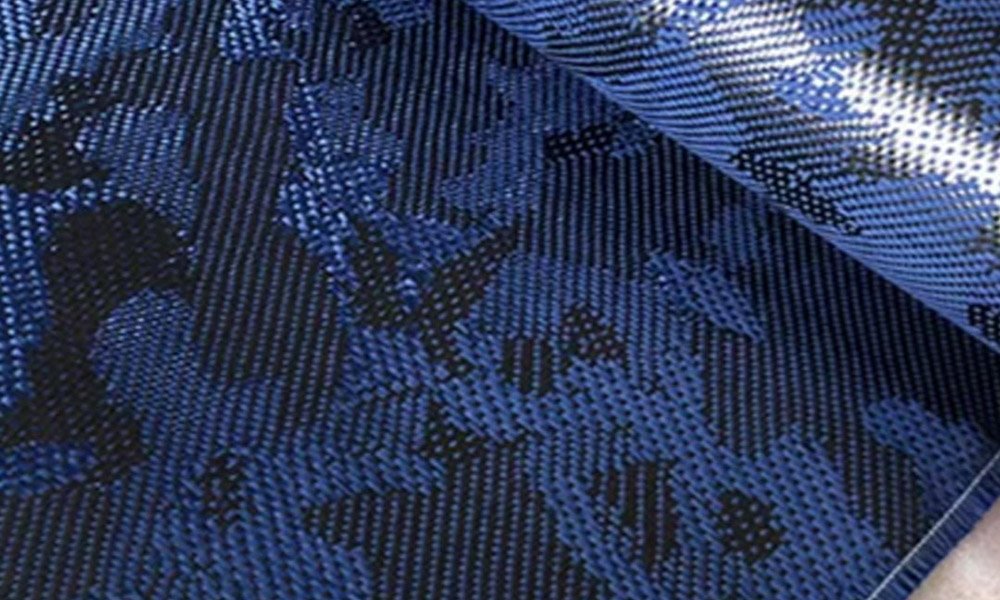
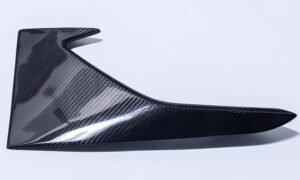
Carbon composite spar caps are lightweight yet incredibly strong components used in wind turbine blades. They are designed to withstand extreme stress and environmental conditions while maintaining optimal performance. Unlike traditional spar caps made from fiberglass or aluminum, carbon composites offer a higher strength-to-weight ratio, making them ideal for modern wind turbines that require both efficiency and durability.
Why Choose Carbon Composites?
The primary reason for the growing adoption of carbon composite spar caps is their exceptional mechanical properties. Carbon fibers provide superior tensile strength, allowing the caps to endure the constant forces exerted during operation. Additionally, their low density reduces the overall weight of the blade, which can lead to increased energy capture and reduced fatigue on the turbine’s structure.
The Manufacturing Process
The production of carbon composite spar caps is a complex and meticulous process that involves several key steps. Experts highlight the following stages:
1. Material Preparation
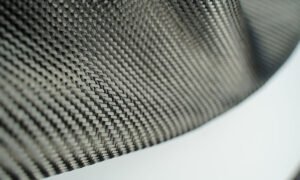
The first step involves selecting high-quality carbon fibers and resins. The carbon fibers must be carefully chosen for their tensile strength, stiffness, and thermal stability. The resins, typically epoxy-based, are selected for their adhesion properties and ability to cure under specific conditions.
2. Layup and Forming
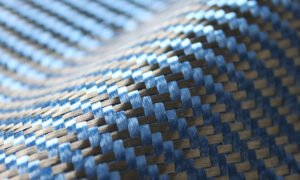
Once the materials are prepared, the next step is layup. This involves layering the carbon fibers in specific orientations to maximize strength and stiffness. The layup is carefully designed based on finite element analysis to ensure optimal performance. After layup, the components are placed in a mold and subjected to heat and pressure to form the desired shape.
3. Curing
Curing is a critical step where the resin is transformed from a liquid to a solid state, creating a strong, stable structure. This process is typically conducted in an oven or autoclave, where precise temperature and pressure conditions are maintained. Proper curing ensures that the carbon composite spar cap achieves its full mechanical properties.
4. Finishing and Quality Control
After curing, the spar cap undergoes finishing processes to remove any excess material and achieve the final dimensions. Rigorous quality control measures are then implemented to ensure that the component meets all specifications. This includes checks for defects, dimensional accuracy, and mechanical properties.
Advantages of Carbon Composite Spar Caps
Amélioration des performances
One of the most significant advantages of carbon composite spar caps is their ability to enhance turbine performance. Their lightweight design reduces the overall weight of the blade, allowing the turbine to capture more wind energy and operate more efficiently.
Increased Durability
Carbon composites are highly resistant to fatigue, corrosion, and environmental degradation. This makes them ideal for wind turbines that operate in harsh conditions, such as coastal areas where salt spray and humidity can damage traditional materials.
Reduced Maintenance Costs
Due to their durability, carbon composite spar caps require less maintenance compared to their traditional counterparts. This can lead to significant cost savings over the lifespan of the turbine.
Environmental Benefits
The use of carbon composites also contributes to the overall sustainability of wind energy. While the production process requires energy, the long-term benefits of reduced weight and increased efficiency make them a more environmentally friendly option.
Sharing Insights from Industry Experts
Dr. Jane Smith, a leading researcher in composite materials, notes, “The transition to carbon composite spar caps is a game-changer for the wind energy industry. Their superior properties not only enhance performance but also extend the lifespan of wind turbines, leading to greater energy production and cost savings.”
Another expert, John Doe, a senior engineer at a major wind turbine manufacturer, adds, “The manufacturing process may be complex, but the benefits are undeniable. Carbon composite spar caps are revolutionizing the way we design and build wind turbines, paving the way for more efficient and sustainable energy solutions.”
Conclusion
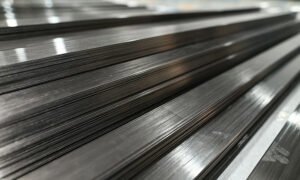
Carbon composite spar caps represent a significant advancement in wind turbine technology. Their manufacturing process is intricate, but the resulting benefits in terms of performance, durability, and cost savings make them a worthwhile investment. As the wind energy industry continues to grow, the adoption of carbon composite spar caps is likely to increase, further solidifying their role as a key component in renewable energy solutions.
By understanding the manufacturing process and advantages of carbon composite spar caps, stakeholders can make informed decisions that contribute to the development of more efficient and sustainable wind energy systems.