
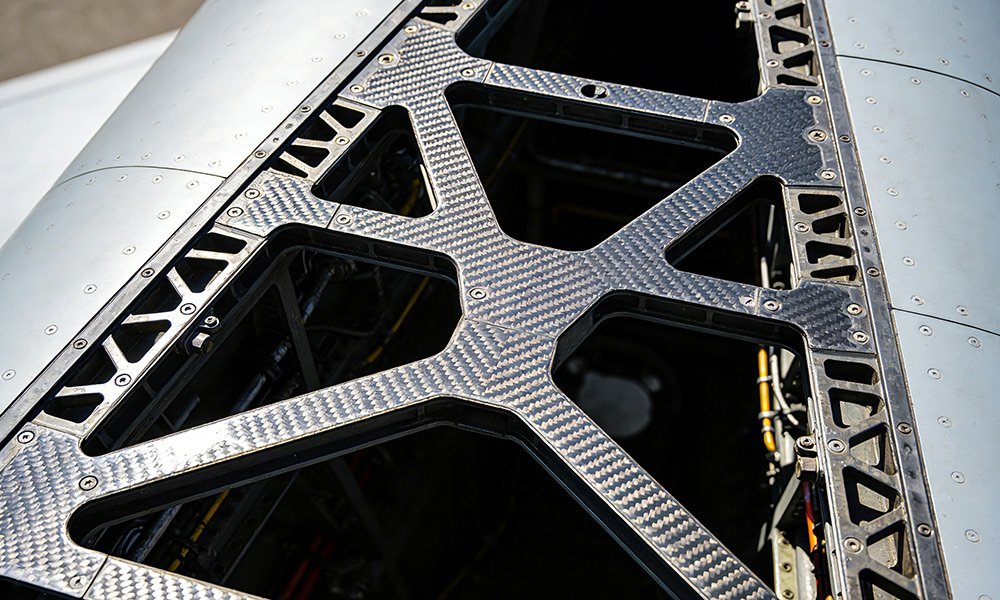
Military aircraft need strong, reliable parts to handle extreme conditions. These parts, called primary load-bearing structures, support the plane during flight. They must withstand high speeds, pressure, and stress. One material has become vital for making these structures effective: carbon fiber.
The Importance of Strong Aircraft Frames
Primary load-bearing structures are the backbone of any military jet. They include wings, fuselages, and tail sections. Without strong frames, aircraft cannot perform their missions safely. Pilots and crews depend on these parts to stay protected in harsh environments. This is why choosing the right material for these structures is critical.
What Makes This Material Stand Out
Many materials have been used for aircraft structures over the years. Steel and aluminum were common choices in the past. They are strong, but they also add significant weight to the plane. Carbon fiber solves this problem by being both strong and lightweight. It offers strength similar to steel but weighs much less.
Weight reduction is key for military aircraft. Lighter planes can fly faster and farther on less fuel. They can also carry more weapons and equipment. Carbon fiber also resists corrosion and wear. This means structures made from it last longer with less maintenance.
How It Changes Aircraft Design
Using this material has transformed how military jets are designed. Engineers no longer have to balance strength and weight as much. They can create sleeker, more aerodynamic shapes. These shapes help aircraft avoid detection and improve maneuverability. This gives military planes a clear advantage in combat.
Carbon fiber is also flexible in its use. It can be shaped into complex forms easily. This allows engineers to design structures that fit specific mission needs. It also helps reduce the number of parts needed for each structure. Fewer parts mean less chance of failure and lower maintenance costs.
Looking Ahead to Future Uses
As technology advances, the use of this material will grow. Researchers are finding new ways to make it even stronger and lighter. They are also working to make it more affordable to produce. This will allow more military aircraft to use it in their primary load-bearing structures.
The future of military aviation depends on better materials. Carbon fiber has already proven its value in keeping planes strong and efficient. It helps militaries maintain air superiority and keep their crews safe. As it becomes more advanced, its role will only become more important.
In summary, carbon fiber is a game-changer for military aircraft. It meets the strict demands of primary load-bearing structures. It is strong, lightweight, and durable. It also improves aircraft performance and reduces costs. For these reasons, it will remain a key material in military aviation for years to come.


 French
  English
  German
  Portuguese
  Japanese
  Russian
  Italian
  Spanish
  Arabic