
PBO (Poly-p-phenylene benzobisoxazole) filament is an advanced high-performance synthetic fiber renowned for its exceptional strength, heat resistance, and chemical stability. As one of the strongest organic fibers available, it has become a critical material in industries that require materials capable of withstanding extreme conditions. For professionals working with advanced materials, understanding the key characteristics and industrial applications of PBO filament is essential to leveraging its unique properties for innovative and reliable solutions.
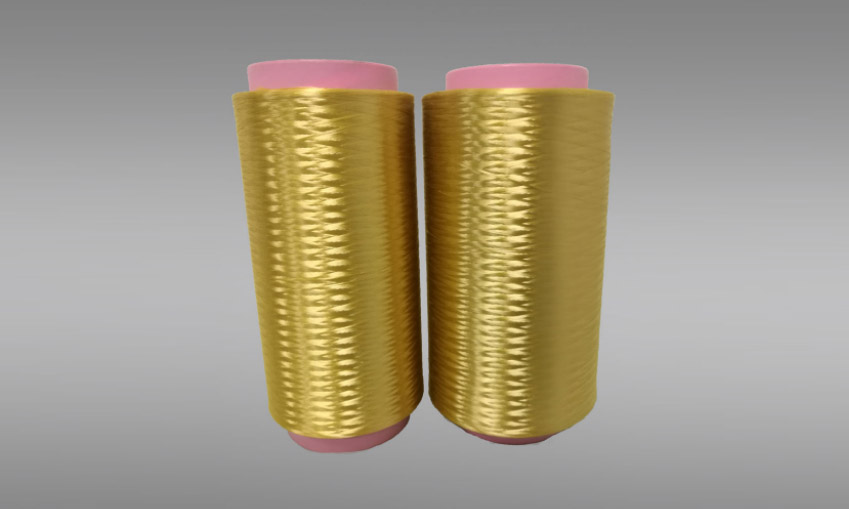
One of the most remarkable characteristics of Filament PBO is its extraordinary tensile strength. It boasts a tensile strength significantly higher than that of carbon fiber and aramid fiber, establishing it as one of the strongest fibers in the world. This high strength, combined with its lightweight profile, results in an exceptional strength-to-weight ratio, making it ideal for applications where weight reduction and high strength are paramount. Additionally, PBO filament exhibits excellent high-temperature resistance, with a decomposition temperature above 600°C (1112°F) and the ability to retain its strength at temperatures up to 300°C (572°F). Unlike many other fibers, it does not melt, making it suitable for use in high-heat environments where other materials would fail.
Another key characteristic is its excellent chemical resistance. Filament PBO is resistant to most acids, alkalis, solvents, and oxidizing agents, making it suitable for use in corrosive industrial environments. It also has good UV resistance, although prolonged exposure to intense sunlight can cause some degradation, so proper protection may be necessary for outdoor applications. Additionally, PBO filament has low electrical conductivity, making it suitable for applications requiring electrical insulation, adding to its versatility across different industries.
The industrial applications of PBO filament are focused on high-performance and extreme environment uses. In the aerospace industry, it is used in the manufacturing of aircraft components such as engine parts, insulation, and structural reinforcements, where its high strength and heat resistance contribute to improved safety and performance. The automotive industry utilizes Filament PBO in high-performance brake pads, clutch linings, and engine gaskets, as it can withstand the high temperatures generated by these components during operation.
In the industrial sector, Filament PBO is used in high-temperature filters, conveyor belts, and sealing materials for chemical processing plants and power generation facilities. It is also employed in protective gear, such as heat-resistant clothing, gloves, and helmets, for workers in industries like metalworking, firefighting, and aerospace, where protection from extreme heat and mechanical hazards is critical. Additionally, PBO filament finds applications in the sports industry for high-performance equipment, where its high strength and lightweight properties enhance performance.
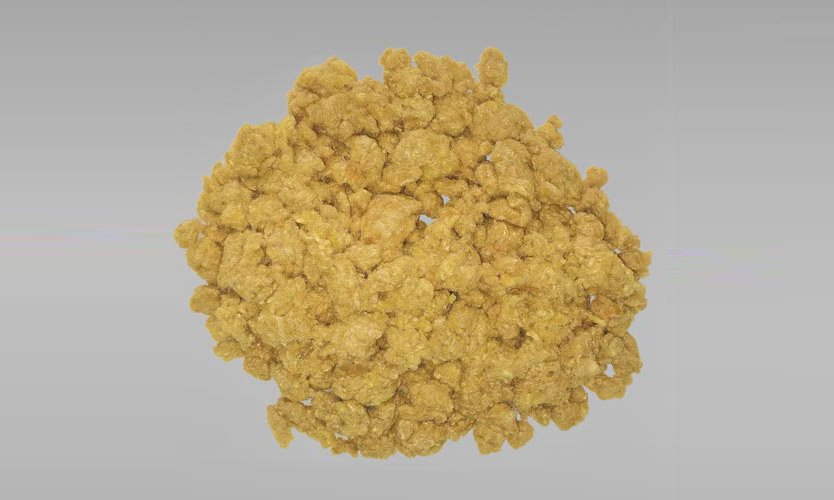
Another important application is in the production of composite materials. PBO filament can be woven into fabrics or used as a reinforcement in composites, providing exceptional strength and heat resistance to the final product. These composites are used in a range of applications, including aerospace structures, marine components, and industrial equipment. When working with PBO filament, it is important to note that it is relatively expensive compared to other fibers, which limits its use to high-value applications where its unique properties are essential. Additionally, proper handling is required to avoid fiber damage, as broken fibers can reduce the material’s strength. With its exceptional characteristics, PBO filament continues to be a material of choice for the most demanding industrial applications.
One of the most remarkable characteristics of PBO filament is its extraordinary tensile strength. It has a tensile strength significantly higher than that of carbon fiber and aramid fiber (Kevlar), making it one of the strongest fibers in the world. This high strength, combined with its lightweight profile, gives PBO filament an exceptional strength-to-weight ratio, making it ideal for applications where weight reduction and high strength are paramount. Additionally, PBO filament exhibits excellent high-temperature resistance, with a decomposition temperature above 600°C (1112°F) and the ability to retain its strength at temperatures up to 300°C (572°F). Unlike many other fibers, it does not melt, making it suitable for high-heat environments.
Another key characteristic is its excellent chemical resistance. PBO filament is resistant to most acids, alkalis, solvents, and oxidizing agents, making it suitable for use in corrosive industrial environments. It also has good UV resistance, although prolonged exposure to intense sunlight can cause some degradation, so proper protection may be necessary for outdoor applications. Additionally, PBO filament has low electrical conductivity, making it suitable for applications requiring electrical insulation.
The industrial applications of PBO filament are focused on high-performance and extreme environment uses. In the aerospace industry, it is used in the manufacturing of aircraft components such as engine parts, insulation, and structural reinforcements, where its high strength and heat resistance contribute to improved safety and performance. The automotive industry utilizes PBO filament in high-performance brake pads, clutch linings, and engine gaskets, as it can withstand the high temperatures generated by these components.
In the industrial sector, PBO filament is used in high-temperature filters, conveyor belts, and sealing materials for chemical processing plants and power generation facilities. It is also used in protective gear, such as heat-resistant clothing, gloves, and helmets, for workers in industries like metalworking, firefighting, and aerospace. Additionally, PBO filament finds applications in the sports industry for high-performance equipment like tennis rackets, golf clubs, and bicycle components, where its high strength and lightweight properties enhance performance.
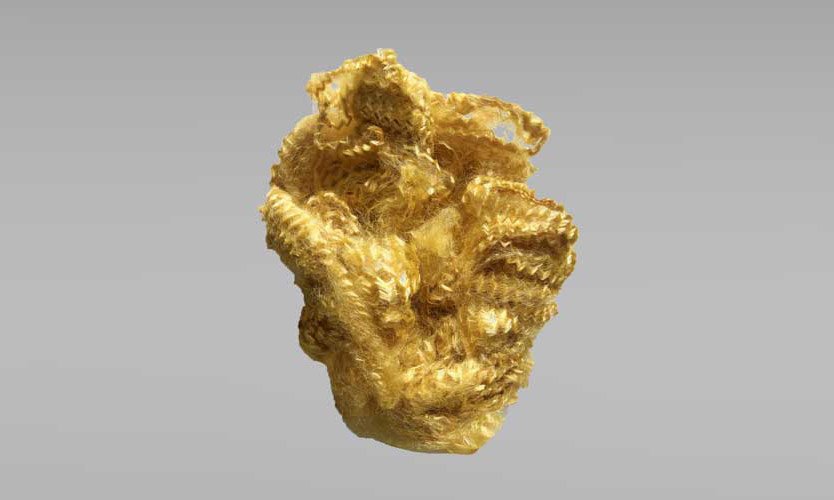
Another important application is in the production of composite materials. PBO filament can be woven into fabrics or used as a reinforcement in composites, providing exceptional strength and heat resistance to the final product. These composites are used in a range of applications, including aerospace structures, marine components, and industrial equipment. When working with PBO filament, it is important to note that it is relatively expensive compared to other fibers, which limits its use to high-value applications where its unique properties are essential. Additionally, proper handling is required to avoid fiber damage, as broken fibers can reduce the material’s strength. With its exceptional characteristics, Filament PBO continues to be a material of choice for the most demanding industrial applications.


 French
  English
  German
  Portuguese
  Japanese
  Russian
  Italian
  Spanish
  Arabic