
Comprehensive Guide to Carbon Fibre Impact Resistance Testing Standards
Carbon fibre composites are widely used in aerospace, automotive, and sports industries due to their high strength-to-weight ratio and corrosion resistance. However, their impact resistance is a critical factor that determines their performance and safety. Understanding the standards for impact resistance testing is essential for manufacturers and engineers. This guide addresses common questions and provides insights into the key testing standards.
What Are Carbon Fibre Impact Resistance Testing Standards?
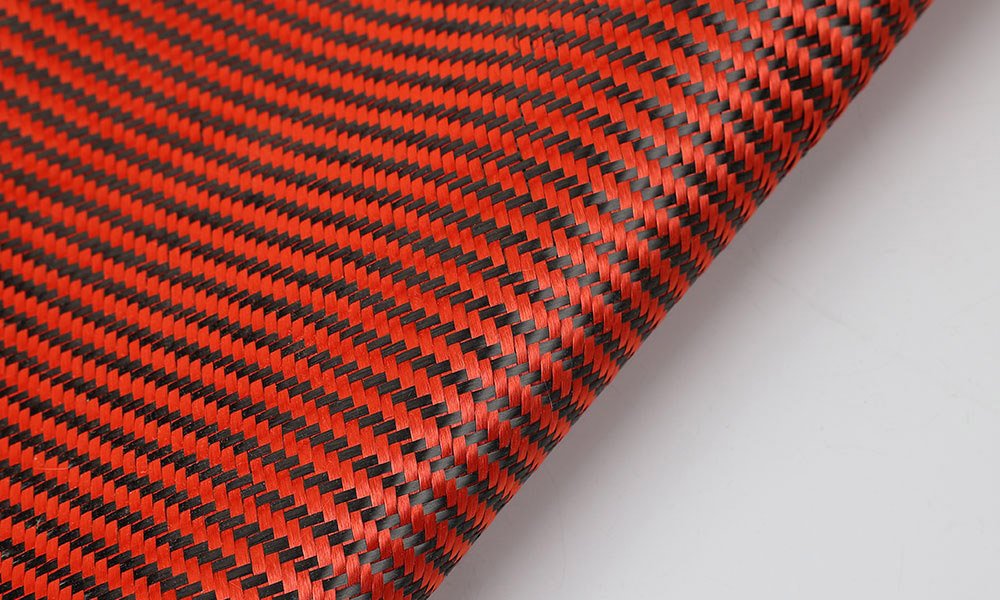
Impact resistance testing evaluates how carbon fibre composites behave under sudden force or impact. These tests ensure that materials can withstand real-world conditions, preventing failures in critical applications. The standards vary by industry, but they all aim to measure energy absorption and damage propagation.
Why Is Impact Resistance Testing Important?
Impact resistance testing is crucial for several reasons. Firstly, it ensures the safety of passengers in vehicles and aircraft. Secondly, it helps manufacturers optimize material properties for specific applications. Lastly, it provides data for regulatory compliance, reducing the risk of product recalls and legal issues.
Common Impact Resistance Testing Standards
Several organizations develop and publish impact resistance testing standards. The most notable include ASTM International, ISO, and SAE International. Each standard has specific requirements, but they all focus on energy absorption and damage assessment.
ASTM D7136
ASTM D7136 is a widely used standard for testing the impact resistance of carbon fibre composites. It specifies the procedures for impact testing using a pendulum impact tester. The test measures the energy absorbed by the material, providing valuable data on its toughness and resilience.
ISO 12939
ISO 12939 is another critical standard for impact resistance testing. It covers the determination of the impact resistance of unidirectional carbon fibre reinforced plastics. The test involves impact testing with a falling weight, and the results help assess the material’s ability to absorb energy without fracturing.
SAE J2385
SAE J2385 is specifically designed for impact testing of composite materials used in automotive applications. It includes procedures for impact testing with both static and dynamic loads. This standard ensures that automotive components can withstand the forces they encounter during collisions.
Défis en matière d'essais de résistance aux chocs
Despite the availability of standards, impact resistance testing presents several challenges. One challenge is the variability of test results due to differences in material composition and manufacturing processes. Another challenge is the need for precise equipment and trained personnel to conduct the tests accurately.
How to Choose the Right Testing Standard?
Selecting the appropriate testing standard depends on the application and industry. For example, aerospace manufacturers may use ASTM D7136, while automotive companies might prefer SAE J2385. It’s essential to consult industry guidelines and regulatory requirements to ensure compliance.
Sharing Insights on Impact Resistance Testing
When conducting impact resistance testing, it’s crucial to follow the chosen standard meticulously. Proper sample preparation, equipment calibration, and data interpretation are essential for accurate results. Sharing insights and best practices among industry professionals can improve the reliability and consistency of impact testing.
Conclusion
Impact resistance testing is a vital component of carbon fibre composite evaluation. By understanding the relevant standards and challenges, manufacturers and engineers can ensure the safety and performance of their products. Adhering to established testing protocols and sharing knowledge within the industry will continue to enhance the quality and reliability of carbon fibre composites.
In summary, impact resistance testing standards play a critical role in ensuring the durability and safety of carbon fibre composites. Whether in aerospace, automotive, or sports applications, these tests provide essential data for material optimization and regulatory compliance. By staying informed and following best practices, industry professionals can leverage the full potential of carbon fibre composites.


 French
  English
  German
  Portuguese
  Japanese
  Russian
  Italian
  Spanish
  Arabic